here are some points of similarities:
it is wriiten in topkapi palace
“we rule the Ummah by Islam” — was the same”

1. Religious-Political Leadership
- Both claimed the title “Caliph” and presented themselves as leaders of the entire Muslim Ummah, not just a nation or tribe.
- The Caliph was both the spiritual guide and the political head of state. Religious law (Sharia) was the foundation of governance.
2. Expansion through Jihad/Conquest
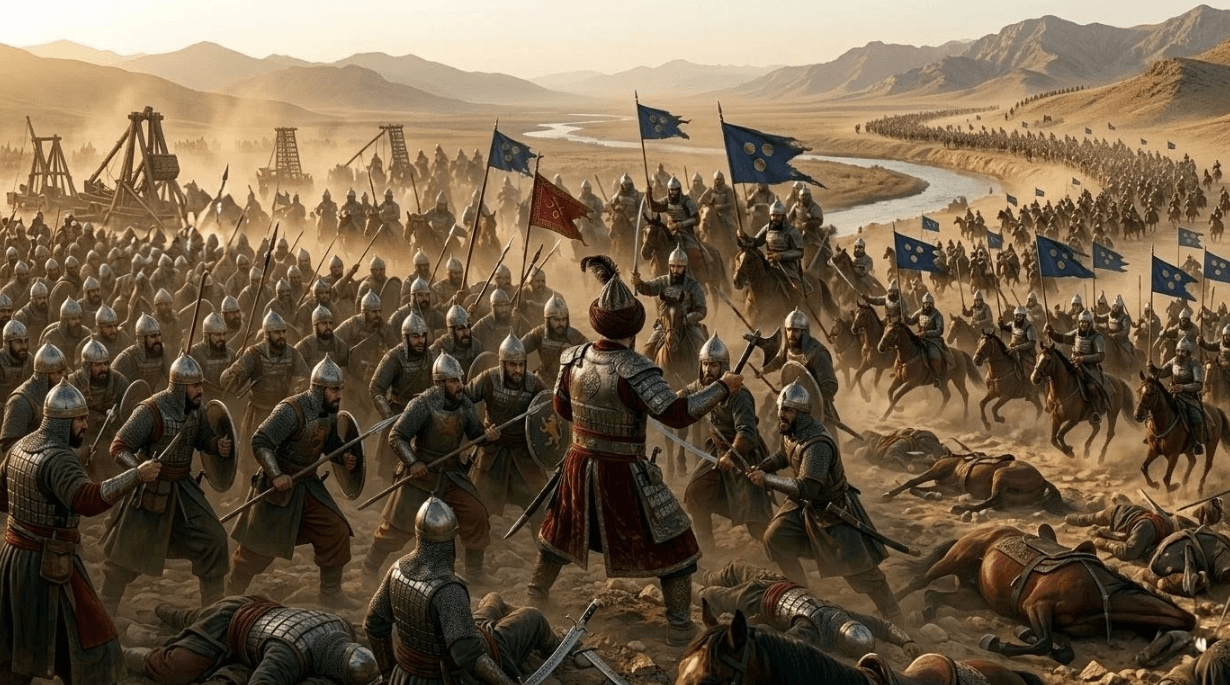
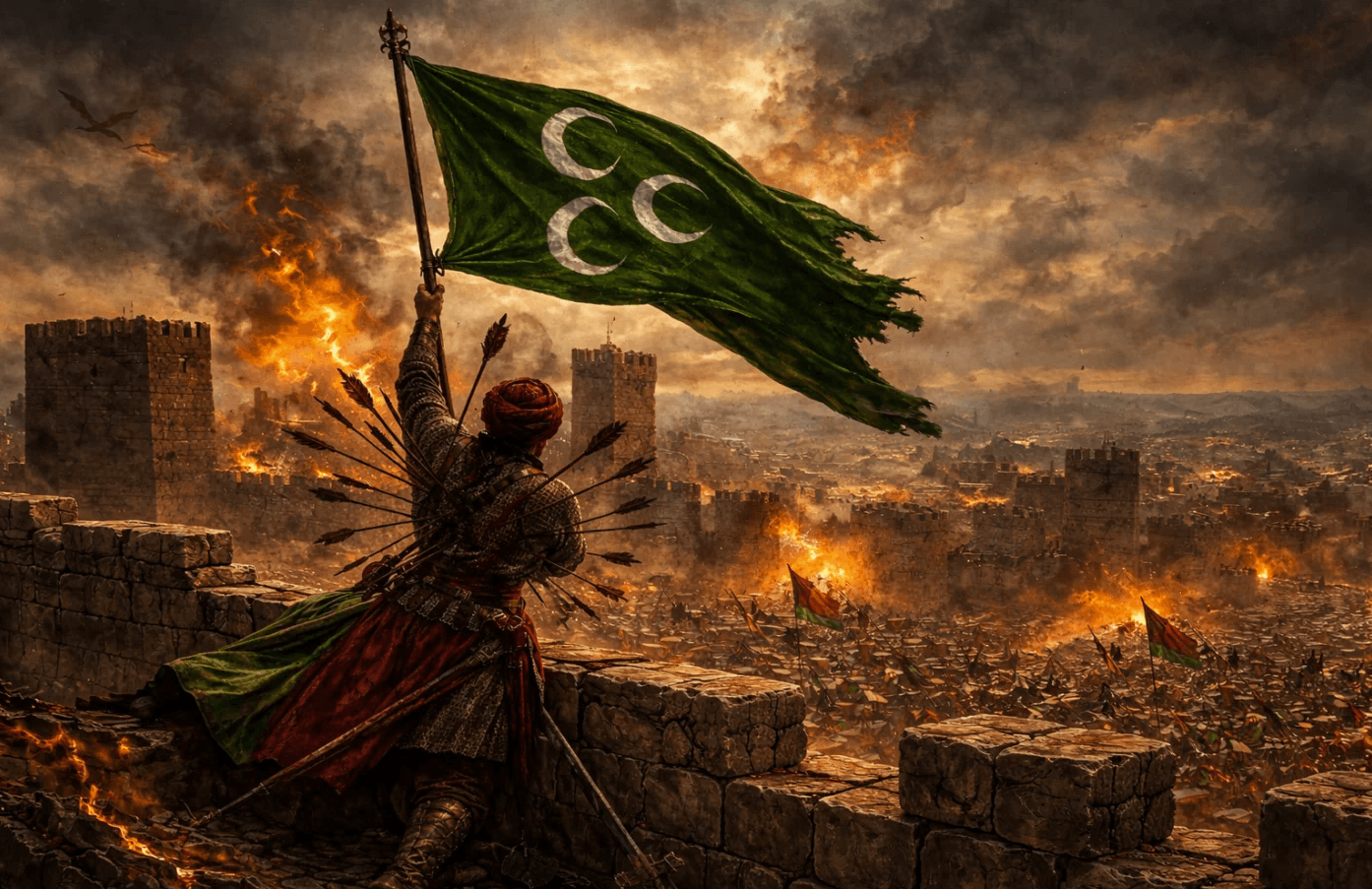
- Both expanded rapidly through military campaigns justified as jihad.
- Rashidun: spread Islam from Arabia into Syria, Egypt, Iraq, Persia in just 30 years.
- Ottomans: expanded into Balkans, North Africa, and Middle East under the banner of ghaza.
3. Sharia as Legal Framework
- Both used Islamic law as the core of the legal system, with the Caliph as final authority.
- Qadis/judges appointed to implement Sharia in courts. Non-Muslims governed under dhimmi status with jizya.
4. Multi-Ethnic, Multi-Religious Empires
- Both ruled diverse populations – Arabs, Persians, Romans/Byzantines under Rashidun; Turks, Arabs, Kurds, Greeks, Armenians, Slavs under Ottomans.
- Used the millet concept (Rashidun: Ahl al-Dhimma system) to let religious minorities manage internal affairs.
5. Centralized Authority + Local Governors
- Both had a strong center with appointed governors: Rashidun appointed walis to provinces like Syria, Egypt, Kufa. Ottomans appointed beylerbeys/pashas to eyalets.
- Caliph maintained control through accountability: Umar famously dismissed governors; Ottoman sultans rotated pashas.
6. Military Institution as State Backbone
- Army was central to state power and legitimacy. Rashidun: volunteers + tribal levies organized into disciplined armies. Ottomans: Janissaries + Timar cavalry.
- Military success tied directly to the Caliph’s prestige.
7. Bay‘ah / Allegiance Concept
- Legitimacy came from oath of allegiance. Rashidun Caliphs were chosen by shura and given bay‘ah by companions. Ottoman sultans also took bay‘ah from ulema, janissaries, and notables when claiming Caliphate after 1517.
8. Guardianship of the Two Holy Cities
- Both controlled Mecca and Medina and took responsibility for Hajj and the Haramain. This was a major source of religious legitimacy for both.
Key difference to keep in mind: Rashidun Caliphate was relatively simple, egalitarian, and based in Medina with Caliphs living modestly. Ottomans were a dynastic empire, bureaucratic, imperial in style, with sultans in Topkapi Palace. But the core claim — “we rule the Ummah by Islam” — was the same”