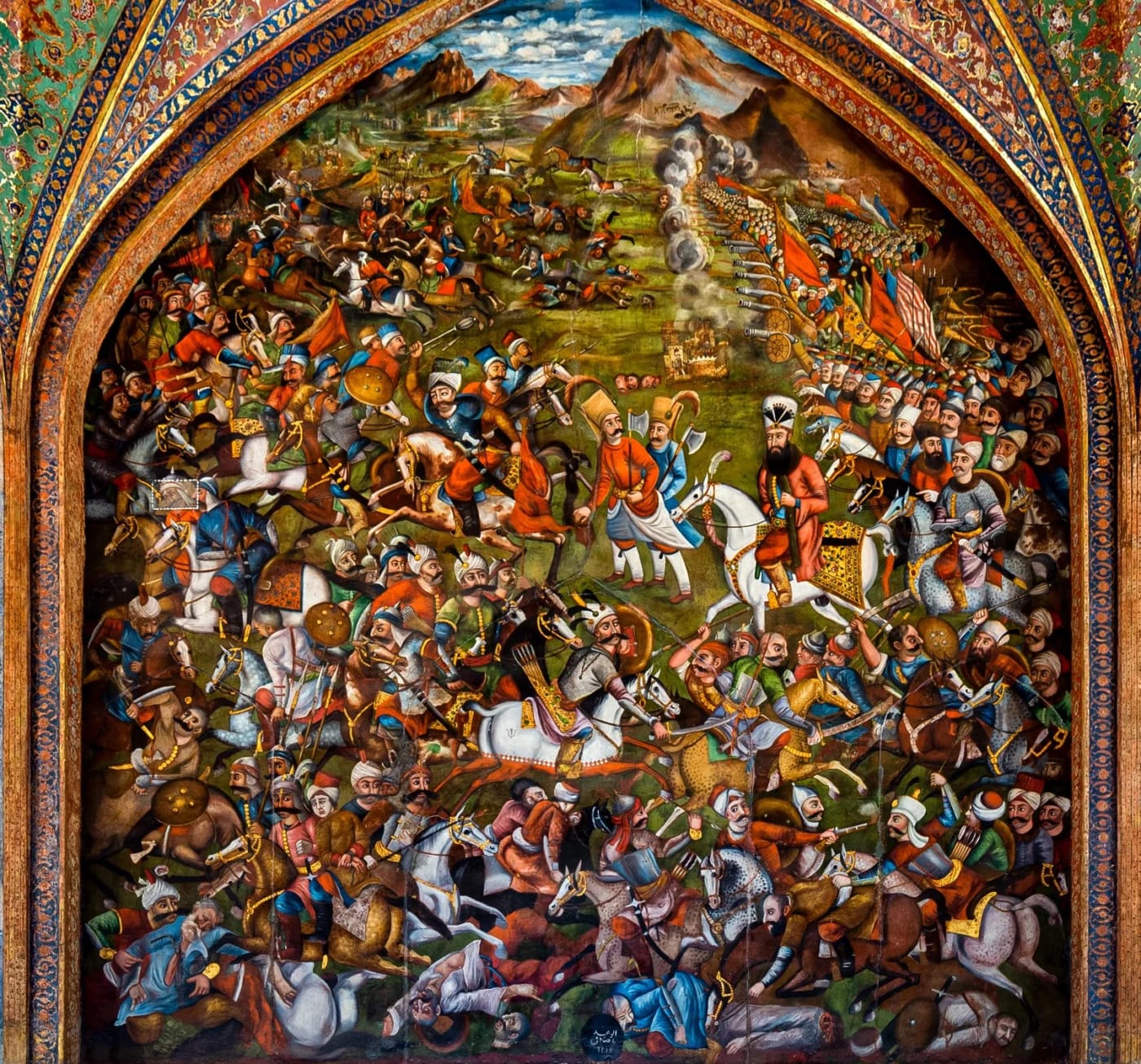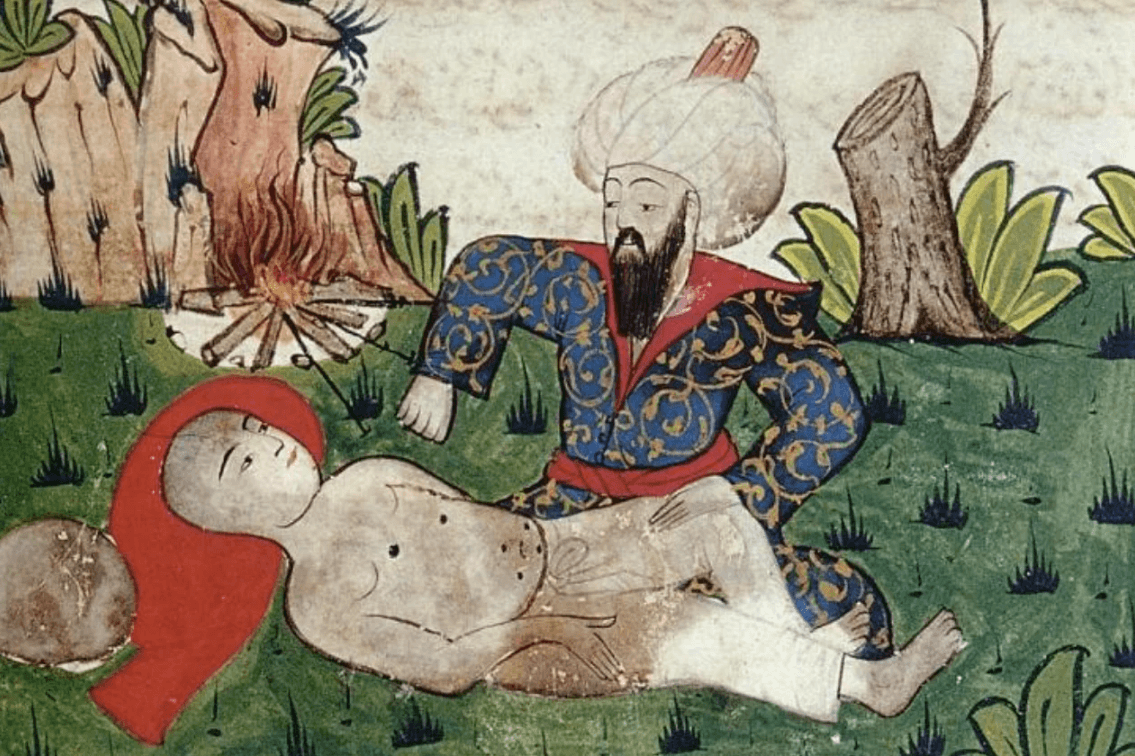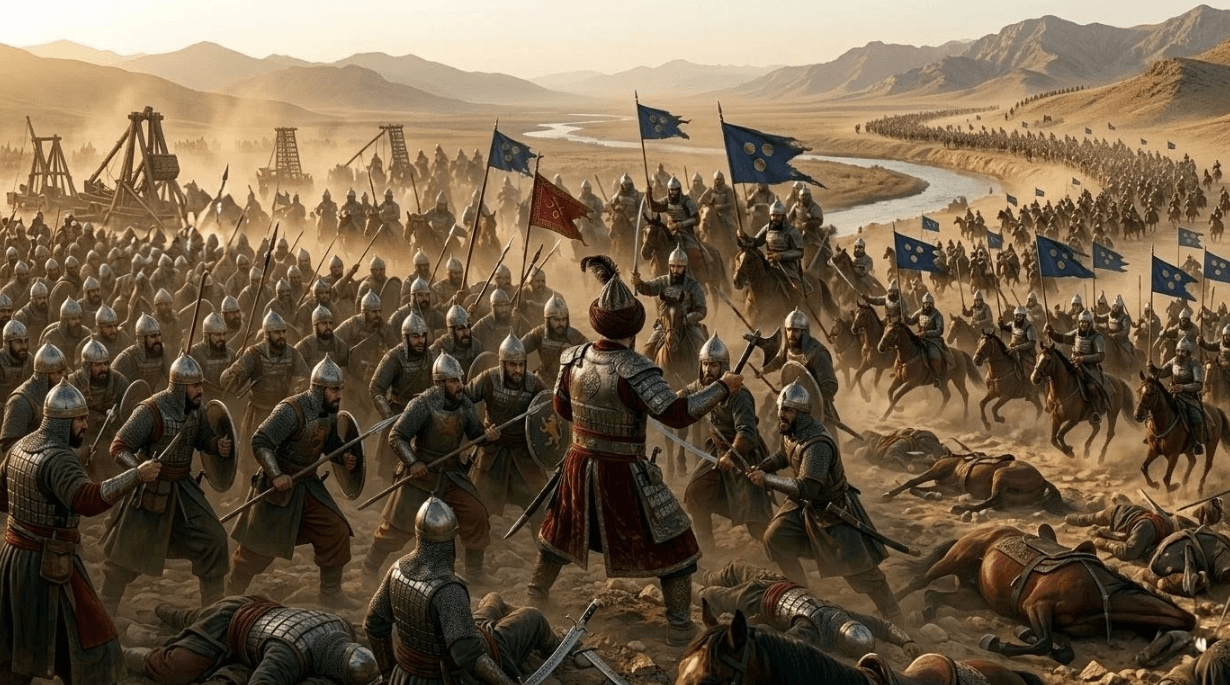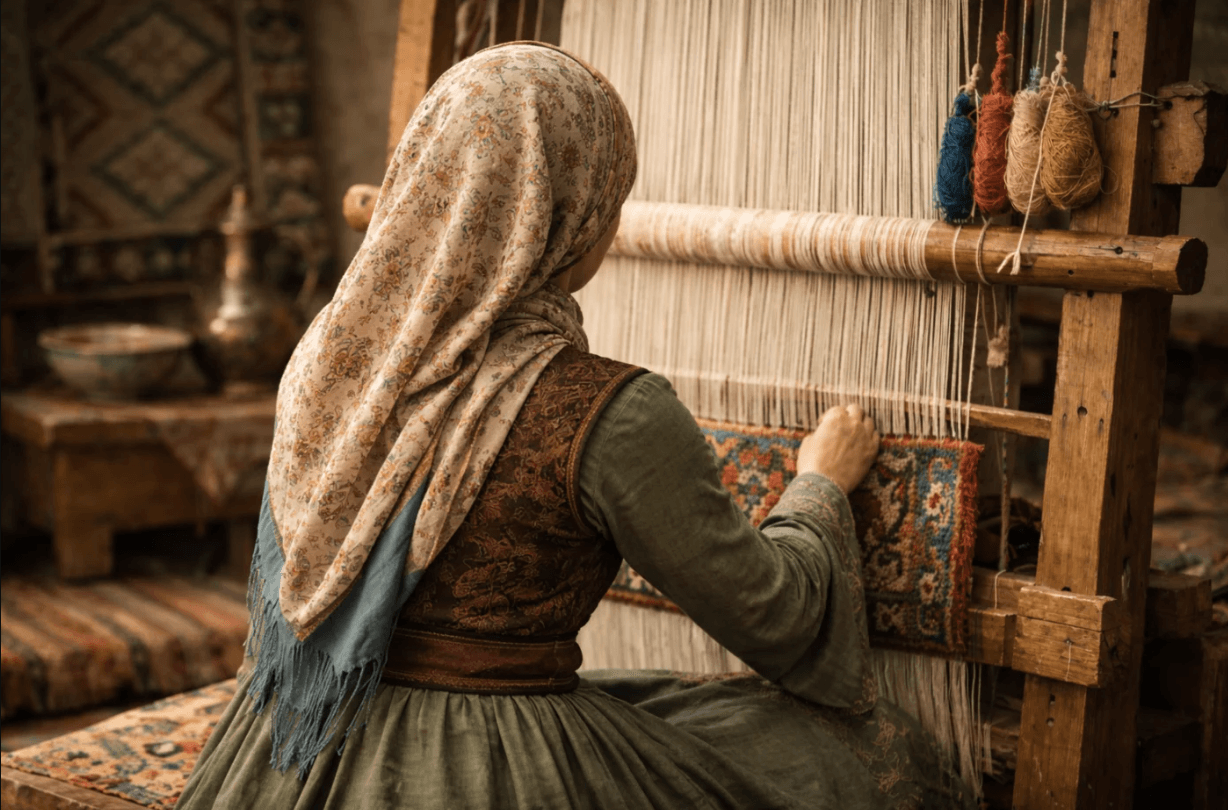
The story of the Moriscos – Muslims in Spain who had been forcibly converted to Christianity – is one of cultural endurance, displacement, and diaspora. Their expulsion in the early 17th century marked the end of centuries of Islamic presence in Iberia. The Moriscos did not vanish but dispersed across the Mediterranean world, carrying with them traditions, skills, and memories of a lost homeland.
The term Moriscos refers to the descendants of Muslims who remained in Spain after the Christian reconquest, particularly following the fall of Fall of Granada 1492. Initially allowed to practice Islam under certain protections, they were gradually subjected to increasing pressure to assimilate into Christian society. By the early 16th century, forced conversions had become widespread, and the Moriscos were officially Christians – though many secretly maintained Islamic beliefs and practices.

Suspicion toward the Moriscos persisted for decades, fueled by fears of internal rebellion and alliances with Muslim powers such as the Ottoman Empire. These tensions culminated during the reign of Philip III of Spain, who claimed they will never become true Christians and issued the decree of expulsion in 1609.
Over the next several years, 300,000 to 450,000 Moriscos were forced to leave Spain, marking one of the largest forced migrations in early modern European history.
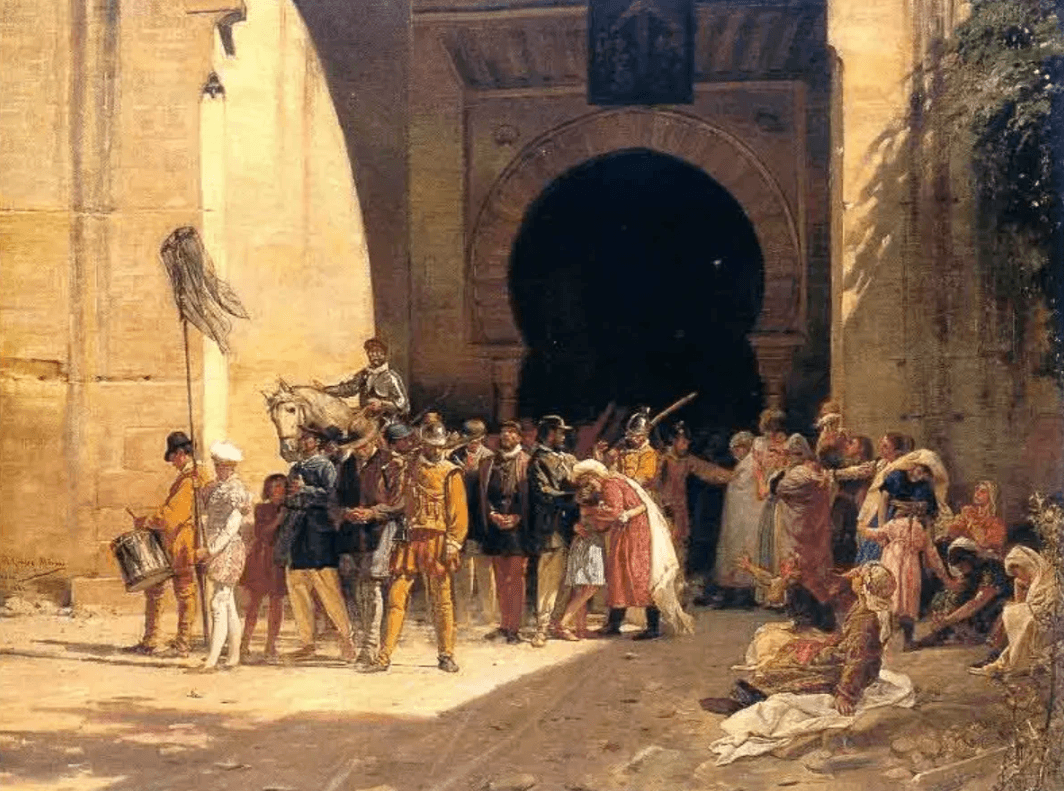
The expulsion was not a uniform or orderly process. Many Moriscos were rounded up and transported under harsh conditions, often losing their property and wealth. Families were separated, and some individuals attempted to resist or hide. Nevertheless, the vast majority were expelled, primarily through Mediterranean ports such as Valencia and Barcelona.
Once expelled, the Moriscos dispersed to several regions, with North Africa being the most immediate and accessible destination. Large numbers settled in Morocco, Algeria, and Tunisia.
Morocco was an independent kingdom, ruled by the Saadi dynasty. In Morocco many Moriscos faced suspicion from local populations. Because they had lived as Christians (at least outwardly) for generations and often spoke Spanish instead of Arabic, some Moroccans questioned their sincerity as Muslims. This sometimes led to social tension or marginalization, especially early on. Moriscos often formed separate, tightly knit enclaves, especially in cities like Tetouan and Fez. In some cases, they preserved a strong Andalusian identity for generations – maintaining language, customs, music, dress, architectural styles and even a sense of exile tied to Spain.
Around 1610, Algeria had already been under Ottoman influence for nearly a century and was an Ottoman regency. But in practice, it was operated with significant independence from Istanbul. It was governed by a dey (elected leader), backed by the Janissaries, and made its own military and foreign policy decisions in many cases.
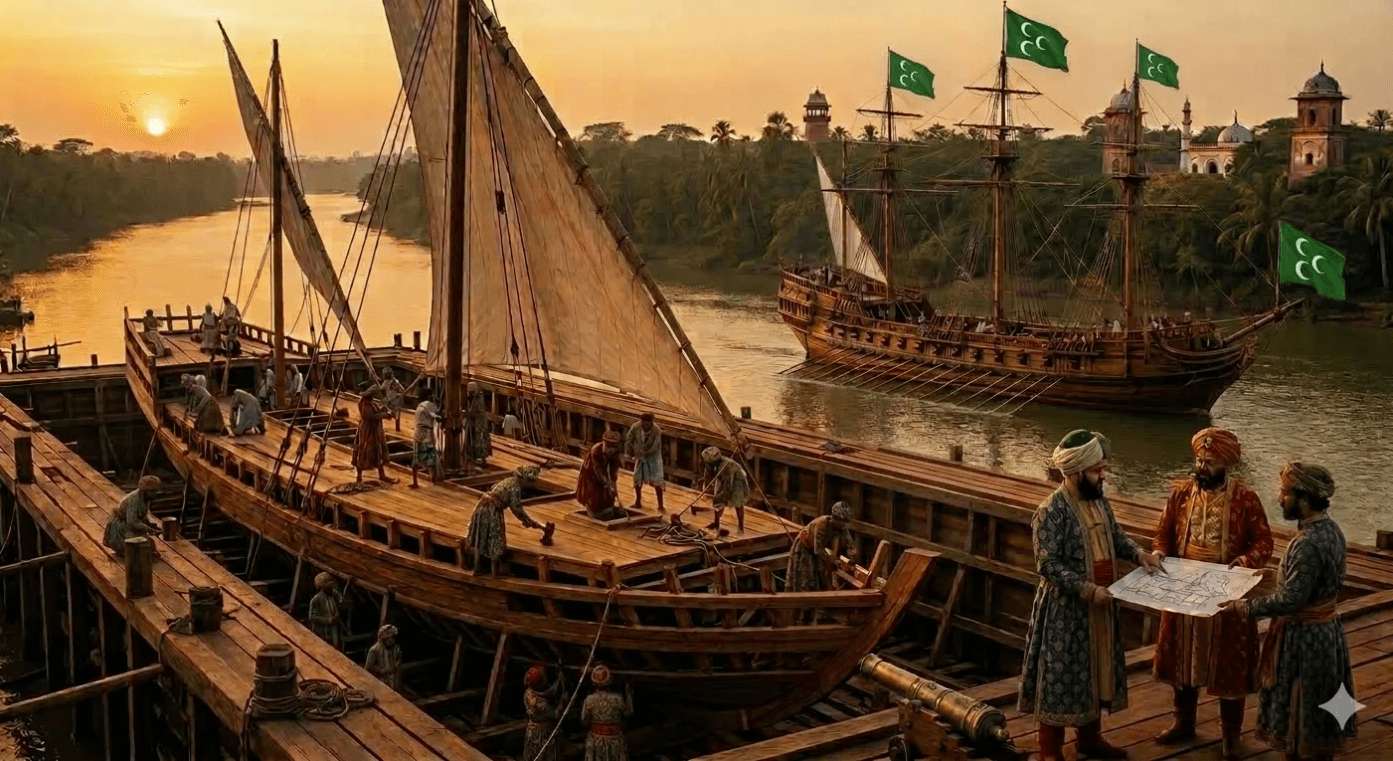
In Algeria, particularly in cities like Algiers, Moriscos contributed to economic life through crafts, trade, and agriculture. Some became involved in maritime activities, including privateering. The Mediterranean at the time was a contested space, and Morisco exiles sometimes aligned themselves with Ottoman-backed corsairs, targeting Spanish shipping in acts that blended economic survival with revenge.
Tunisia proved to be one of the most welcoming destinations for Moriscos. By 1610, Tunisia was formally Ottoman but locally governed with significant autonomy. The Ottoman sultan appointed a governor (the pasha), but real power was often shared or contested by local military leaders, especially the Janissaries. But compared to Algeria, it was generally more tied to Ottoman administrative structures. The local rulers encouraged Morisco settlement, recognizing their skills and potential contributions.
Moriscos introduced advanced agricultural techniques, irrigation systems, and artisanal crafts. In Tunis and other towns, they established thriving communities that maintained a distinct Andalusian identity for generations. Moriscos also formed communities, but these were more integrated into the broader society. While they preserved elements of Andalusian culture, they blended more quickly with local populations than in Morocco. Andalusian influence became part of Tunisian culture itself – especially in music and urban life – rather than remaining separate.
A smaller number of Moriscos also migrated to southern France and Italy. In France, some initially found temporary refuge, particularly in regions close to the Spanish border. However, due to political pressures and religious tensions, many were eventually forced to move on to more hospitable Muslim territories. Similarly, in parts of Italy, Moriscos faced uncertain conditions and usually did not remain long.
Beyond that, some Moriscos traveled further east into the territories of the Ottoman Empire, where the integration was easier than in parts of North Africa. While they arrived as displaced refugees, the Ottomans generally viewed them as valuable additions – both as fellow Muslims and as skilled migrants from a highly developed society. Their integration unfolded across social, economic, and cultural dimensions.
Unlike in Christian Europe, Moriscos entering Ottoman lands were not treated as suspect converts but as Muslims returning to the wider Islamic world. Even though many had lived outwardly as Christians for generations, they were typically accepted into the Muslim community (the ummah) without the kind of scrutiny they had faced in Spain. This religious inclusion provided an immediate foundation for integration, especially compared to the hostility they often encountered elsewhere.
Most Moriscos who reached Ottoman territories settled in cities rather than rural areas. Important centers included Istanbul, Salonika, and parts of western Anatolia. These urban environments were already diverse, hosting Greeks, Armenians, Jews, and other Muslim populations, which made it even easier for newcomers to blend in.
In some regions, they introduced or improved agricultural techniques, particularly irrigation systems that had been developed in Islamic Spain. Others became artisans or merchants, integrating into existing guilds and markets. Their knowledge of Spanish and familiarity with European trade networks also made them useful intermediaries in Mediterranean commerce.
One of the main barriers to integration was language. Many Moriscos spoke Spanish (or Andalusi Romance) rather than Arabic or Turkish. Over time, however, they adopted local languages – especially Ottoman Turkish – particularly in urban settings. This linguistic shift was key to their long-term assimilation.
Within the cosmopolitan Ottoman environment, the distinct Morisco traits gradually blended into broader urban culture. Unlike in North Africa, where Morisco communities sometimes remained more separate, the Ottoman setting encouraged a more diffuse assimilation.
The Ottoman authorities also saw symbolic and strategic value in the Moriscos. Their expulsion from Spain was viewed as evidence of Christian persecution of Muslims, and the Ottomans saw their task in protecting Islam. Some Moriscos contributed to anti-Spanish efforts, particularly in naval or intelligence roles, given their familiarity with Iberian society.
There are records of Moriscos participating in Ottoman naval activities in the Mediterranean, sometimes alongside corsairs aligned with the empire. While not all were directly involved in conflict, their knowledge of Spanish coasts, language, and customs made them potentially valuable assets.
Over time, Moriscos in the Ottoman Empire largely assimilated into the broader population. The Ottoman system allowed for more fluid social mobility, especially within the Muslim majority. Within a few generations, many Morisco families lost their distinct identity, intermarriage with local populations became common and their descendants identified primarily as Ottoman Muslims.
This process was similar to the integration of other migrant groups within the empire. The Ottomans did not generally maintain rigid ethnic categories among Muslims, which facilitated assimilation. However, traces of their origins persisted. In some communities, family names, architectural styles, and oral traditions continued to reflect their Spanish past. Even today, certain regions in Morocco and Tunisia maintain cultural practices linked to this historical migration.