Written by Ehtesamul Hoque
The story of the Fatih Sultan Mehmed is not merely a tale of conquest, but a masterpiece of political engineering that reshaped the map of the world.
Mehmed II was the grand architect who understood that while a sword can seize a city, only a complex and enduring system can hold an empire together for centuries. He was the heartbeat of this vast body, creating a rhythm of power that was so centralized and stable it could withstand any shock, whether from internal revolt or external invasion. Before his time, the Sultan was often just a leader among competing Turkish noble families, a “first among equals” who had to constantly negotiate with tribal lords. Mehmed changed the very DNA of the state, realizing that to have absolute control, he had to remove the influence of these old, ambitious families and replace them with a class of elite administrators who owed their entire existence, their safety, and their status to him alone.

To achieve this, he revolutionized the “slave-elite” system, taking young men of talent from across the lands and training them within the palace walls to become his eyes and ears. Because these men had no ancestral lands to protect and no family ties to the old Turkish nobility, their loyalty was surgically attached to the Sultan. This was the birth of a true centralized bureaucracy, where every tax record, military order, and legal decree flowed through a single point of authority. To ensure this power remained undisputed, he codified the Kanunname, a set of laws that gave the Sultan the ultimate right to rule over both secular and administrative life, separate from traditional religious interpretations when necessary. He even legalized the brutal practice of fratricide to prevent the bloody civil wars that had destroyed so many other dynasties. This move turned the Ottoman throne from a vulnerable target of sibling rivalry into a stable, singular pillar of strength that would not move for four hundred years, ensuring that the death of a ruler did not mean the death of the state.
Beyond the walls of the palace, Mehmed practiced a form of religious diplomacy that was centuries ahead of its time. He knew that an empire of millions, stretching across diverse landscapes, cannot be ruled by force alone, so he created the Millet System. By officially recognizing the rights of Christians and Jews to govern their own religious and legal affairs, he effectively made the Sultan the protector of all faiths rather than a conqueror of them. This was a brilliant political maneuver that robbed European powers of the ability to incite religious rebellions within his borders; a Christian subject had no reason to call for a Crusade when the Sultan guaranteed their right to worship and manage their own community. It created a social contract where different communities could thrive and contribute to the economy without feeling the need to overthrow their ruler. The result was an empire that felt like a permanent home to a diverse population, ensuring that the social fabric remained intact even when the military was away at distant wars.
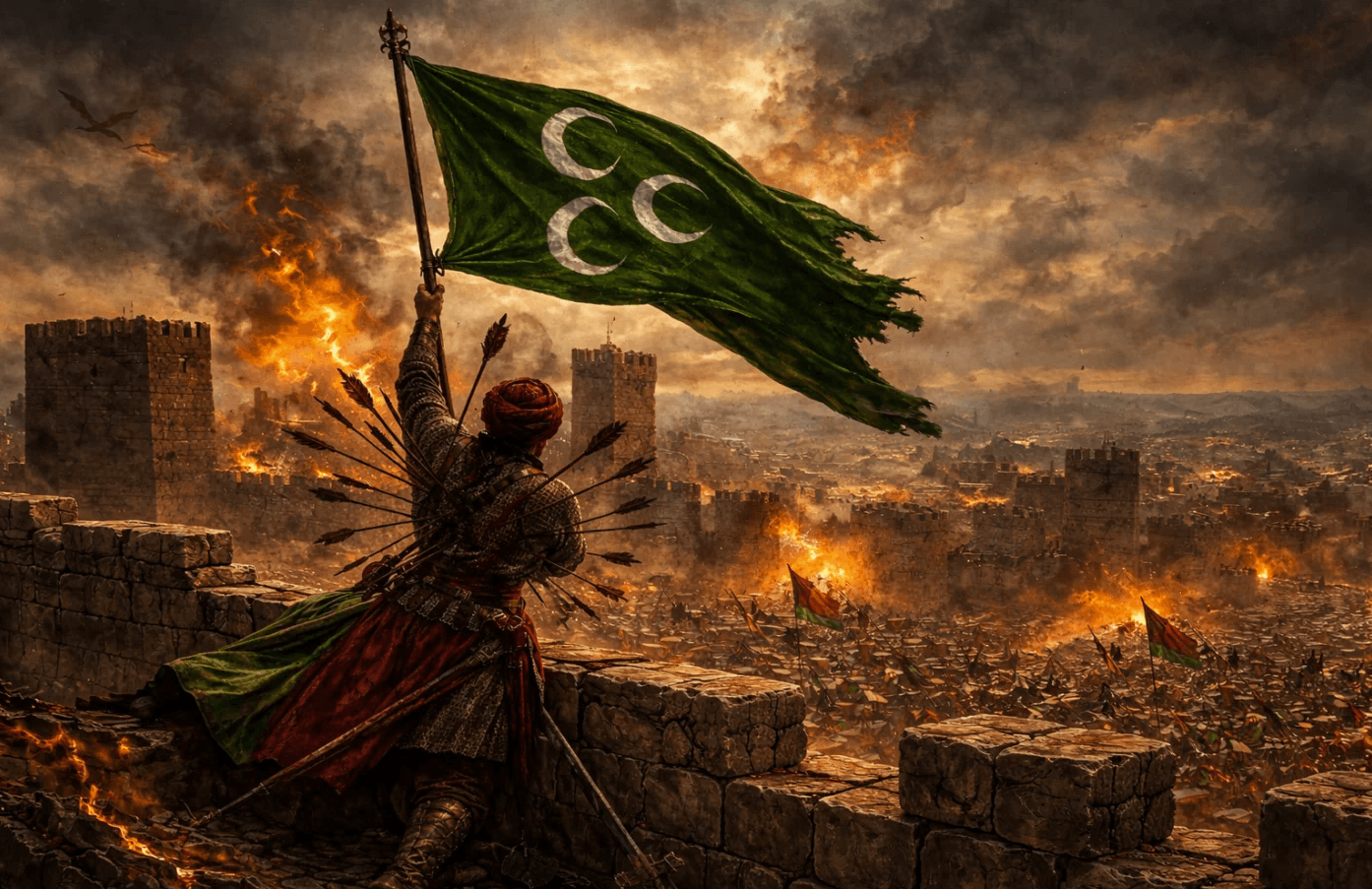
Economically, Mehmed placed his hand directly on the jugular of the world, understanding that gold is as powerful as steel. By capturing Istanbul, he took control of the Bosphorus and the Dardanelles, the narrow veins through which the wealth of the Silk Road flowed. He transformed the city from a decaying ruins into a vibrant trade heart, building the Grand Bazaar and forcing the world’s most skilled merchants and craftsmen to call his capital home. This gave the empire a constant, pulsing flow of gold that funded a professional, year-round army and the most advanced artillery corps in the world. This economic leverage meant that the Ottomans were not just soldiers; they were the managers of global trade, making it nearly impossible for European nations to survive without interacting with the Ottoman system. He turned the Black Sea into an Ottoman lake, ensuring that every spice from India and every silk from China paid a toll to his treasury before it ever reached a European table.
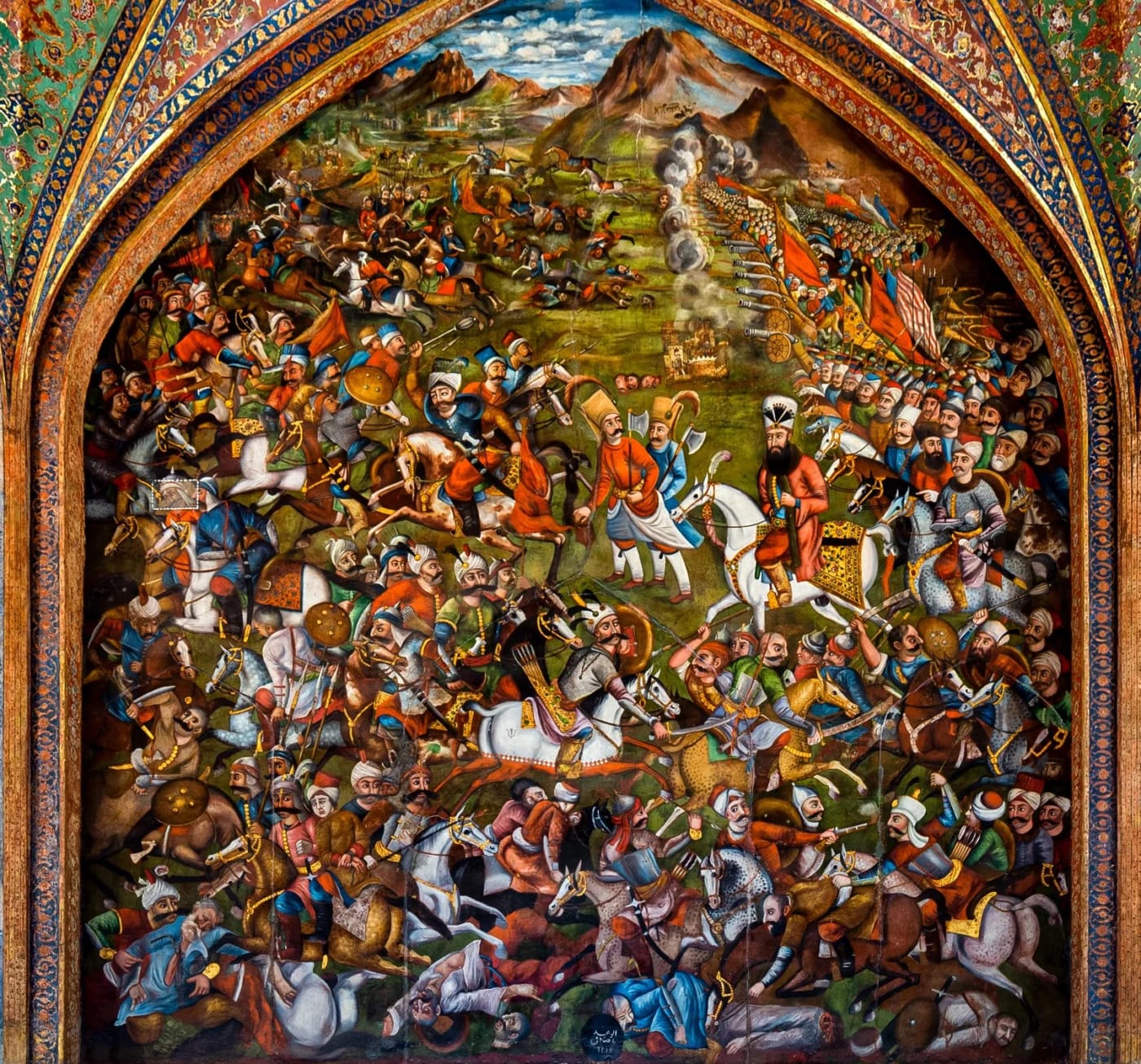
This foundation was so strong that it redefined what it meant to win a war, moving the definition of victory from the battlefield to the ledger of history. Mehmed understood that losing a battle was simply a tactical recalculation, a temporary pause in an inevitable march. When he faced heavy losses at Belgrade or in the rugged mountains of Albania, he did not panic or surrender his ambitions; he relied on the machine he had built. While his enemies celebrated a temporary victory in the field, Mehmed was already using his centralized treasury to cast even larger cannons and his professional recruitment system to replace his fallen Janissaries with freshly trained troops. He never lost the war because he had built a state that could heal itself faster than his enemies could wound it. He possessed a poetic patience, knowing that time and structure were his greatest allies.
The heartbeat of the empire was regulated by a sophisticated, clockwork bureaucracy centered within the hallowed halls of the Enderun school. Located in the innermost courtyard of the Topkapi Palace, this meritocratic academy was the engine room of the state, where the most gifted youths of the Devshirme were transformed into the Sultan’s elite administrators. These men were meticulously trained in a rigorous curriculum of statecraft, theology, and languages, effectively stripping away their past to forge a new identity as “slaves of the Gate” whose only loyalty was to the throne. Mehmed II formalized the hierarchy of the Divan-i Humayun (the Imperial Council), empowering the Grand Vizier as his executive proxy while creating the office of the Reis-ül Küttab to oversee a growing army of scribes. These clerks acted as the empire’s memory, maintaining the Defter-i Hakani—a vast registry of every acre of land and every penny of tax—ensuring that the Sultan’s centralized power was not just a claim, but a mathematical reality etched in ink.
Complementing this administrative rigor was a silent, invisible web of intelligence that turned the Ottoman state into a self-aware organism. Mehmed II systematized a culture of total surveillance, employing a network of hafiye, or secret informers, who moved like ghosts through the bazaars of Istanbul and the courts of Europe. By institutionalizing the “Window of the Sultan” in the council chamber, he created a psychological climate where every bureaucrat felt the unblinking gaze of the “Sultan’s Shadow,” preventing corruption and dissent before they could even be whispered. This intelligence machine extended its reach far beyond the borders of the empire; through the Reis-ül Küttab’s office, reports from merchants, physicians, and religious leaders were analyzed with surgical precision. This pre-modern secret service allowed Mehmed to exploit the internal rifts of his enemies, ensuring that by the time the Janissaries marched, the victory had already been secured through the quiet accumulation of secrets.
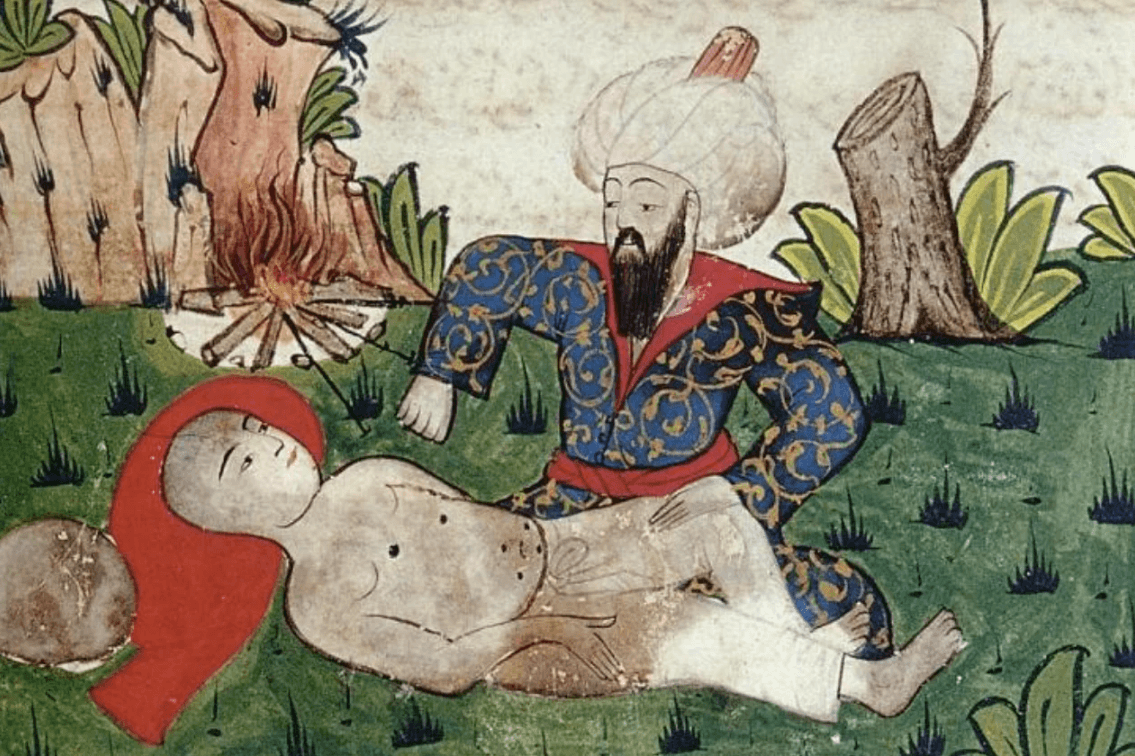
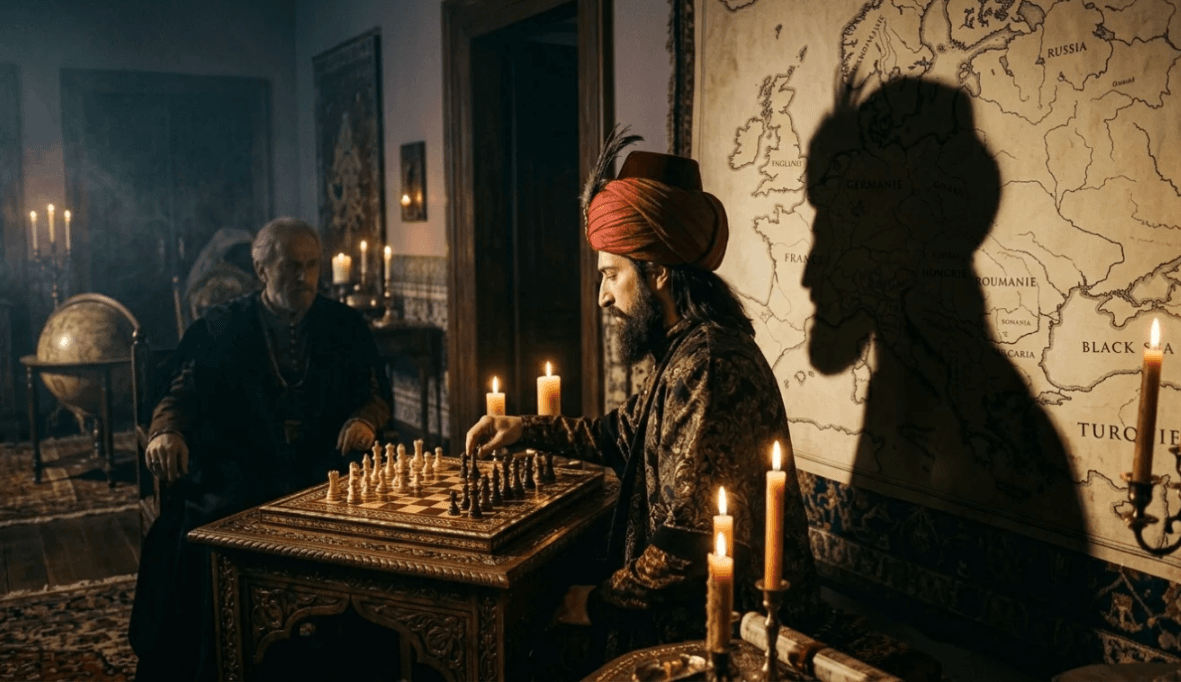
Mehmed II transformed the art of diplomacy from a series of royal letters into a sophisticated arm of foreign intelligence, viewing every envoy as a potential scout and every treaty as a strategic chess move. By protecting the diverse religious communities through the Millet system, he unlocked a global network of informants that no other European power could match. He utilized Greek merchants, Jewish physicians, and traveling scholars as his eyes and ears in foreign courts, people who could move through the halls of Rome, Venice, and Paris without raising the suspicion that a Turkish soldier would. This “pre-modern secret service” provided the Sultan with a constant stream of high-level data regarding the health of rival monarchs, the movements of naval fleets, and the deep-seated political rivalries within Christendom. Through the office of the Reis-ül Küttab, this raw intelligence was meticulously filed and analyzed, allowing Mehmed to time his invasions with surgical precision, often striking his enemies at the exact moment their own internal alliances were crumbling.
In his hands, diplomacy became a weapon of “divide and rule” that kept Europe fractured for centuries. Mehmed was a master of granting “Capitulations”—special trade privileges—to specific naval powers like Venice or Genoa to play them against one another, ensuring they would never unite their fleets against him. He maintained a court that was a magnet for Italian artists and Greek intellectuals, not merely out of a love for the Renaissance, but as a political statement to the West that the Ottoman Empire was a legitimate, sophisticated successor to Rome. By integrating these foreign experts into his circle, he gained an intimate understanding of European psychology and military technology. This fusion of intelligence and diplomacy meant that by the time an Ottoman herald arrived with a declaration of war, the Sultan likely already knew the contents of the enemy’s treasury and the loyalty of their generals, turning the battlefield into a mere formality for a victory already won in the shadows.
The conquest of Otranto in 1480 was Mehmed II’s final, most daring political gambit—a move designed to place a dagger at the very throat of the Italian peninsula. By seizing this strategic port in the “heel” of Italy, Mehmed intended to turn the Mediterranean into a Roman-style Ottoman sea and fulfill his lifelong dream of uniting the two halves of the Roman Empire under his own crown. He did not view the invasion as a mere raid; he viewed it as the establishment of a permanent “bridgehead” from which his armies could march toward Rome itself. This move sent a shockwave of terror through the Vatican, forcing the Pope to consider fleeing to France, and proved that the Sultan’s reach was not limited by geography or the vastness of the Adriatic Sea.
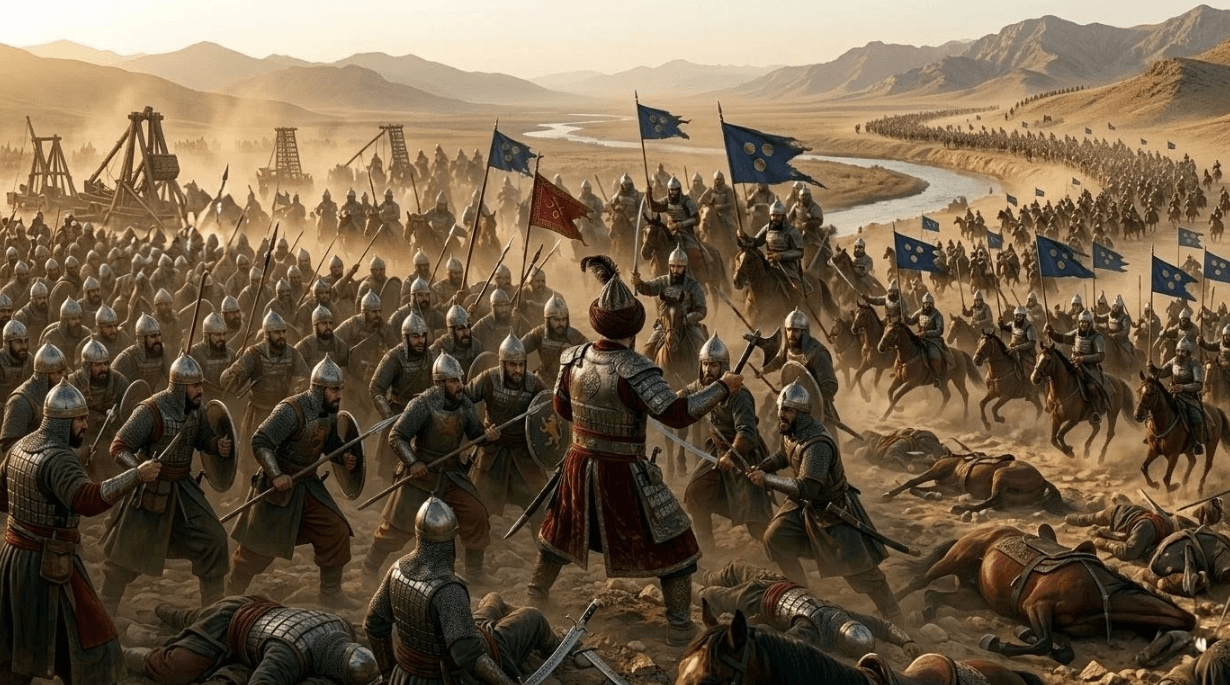
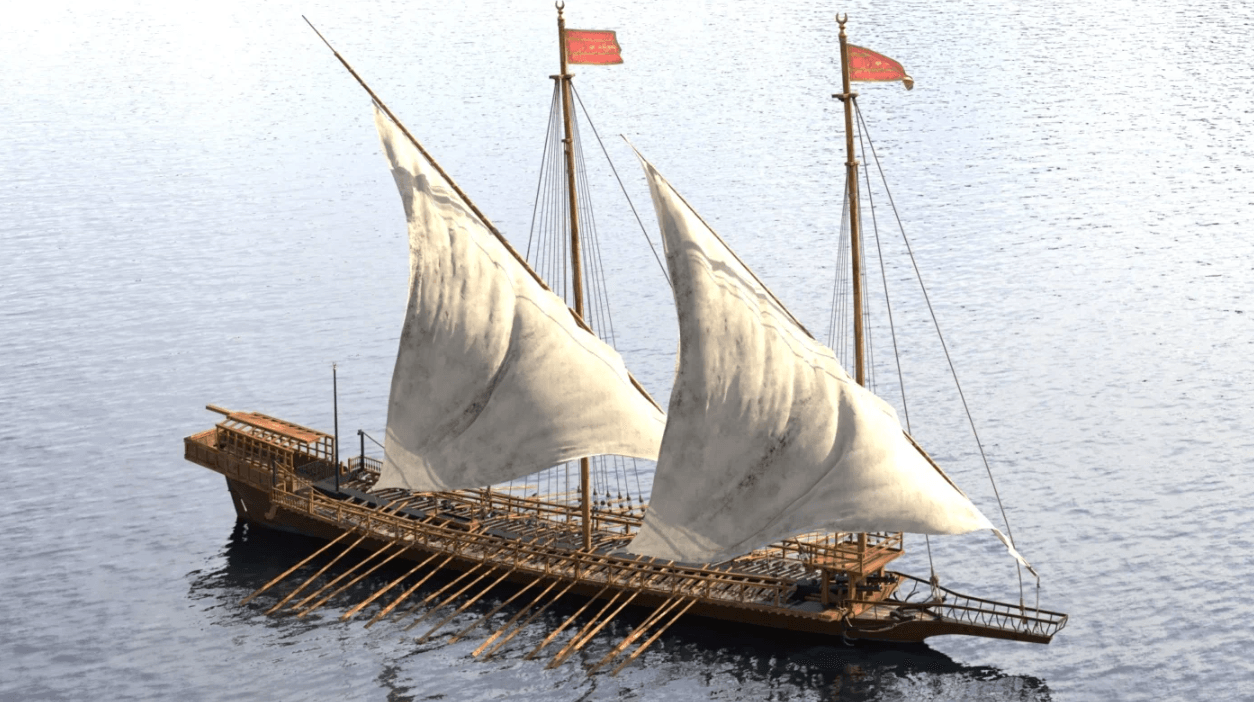
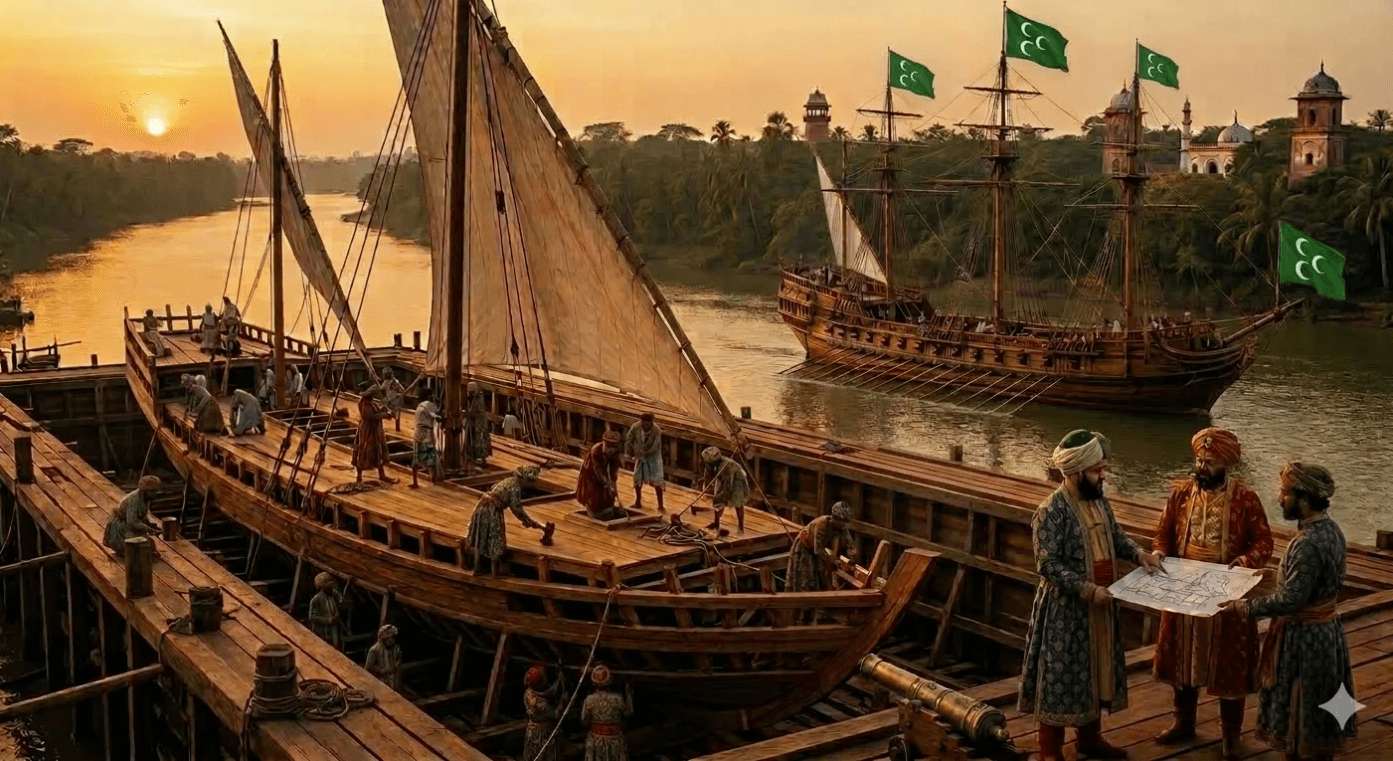
To execute this pressure campaign, Mehmed utilized his masterfully organized navy and his elite corps of Janissaries to strike at a moment of extreme Italian vulnerability. He leveraged his deep intelligence networks to identify that the Italian city-states were, as usual, bickering amongst themselves, specifically the conflict between the Kingdom of Naples and the Republic of Venice. By securing a tactical peace with Venice just before the invasion, he ensured that the greatest naval power in the region would stand aside while he dismantled the defenses of Otranto. The resulting conquest was a masterpiece of psychological warfare; by establishing a fortified base on Italian soil, he demonstrated that the “Invincible City of Rome” was no longer a distant target, but a measurable distance from his front lines.
The political result of the Otranto campaign was the near-total paralysis of Italian diplomacy. For the first time in centuries, the Italian princes realized that their petty internal wars had left the door wide open for a power that possessed far greater centralization and military resources. Mehmed’s move forced a temporary, desperate unity among the fractured Italian states, but more importantly, it established the Ottomans as a permanent player in Western European politics.
The story of Mehmed II’s final campaign is a masterclass in how fear, when used as a political weapon, can paralyze an entire continent without a single sword being drawn in the capital. To Mehmed, fear was not just an emotion; it was a psychological siege engine. By the time he reached the height of his power, his reputation as the “Grand Turk” was so immense that his mere intention to march was enough to trigger the collapse of foreign governments. When he launched the invasion of Otranto in 1480, he was not just capturing a port; he was announcing his arrival as the “Kayser-i Rûm” (Caesar of Rome), signaling to the world that the “Red Apple”—his term for the Vatican—was finally within his grasp.
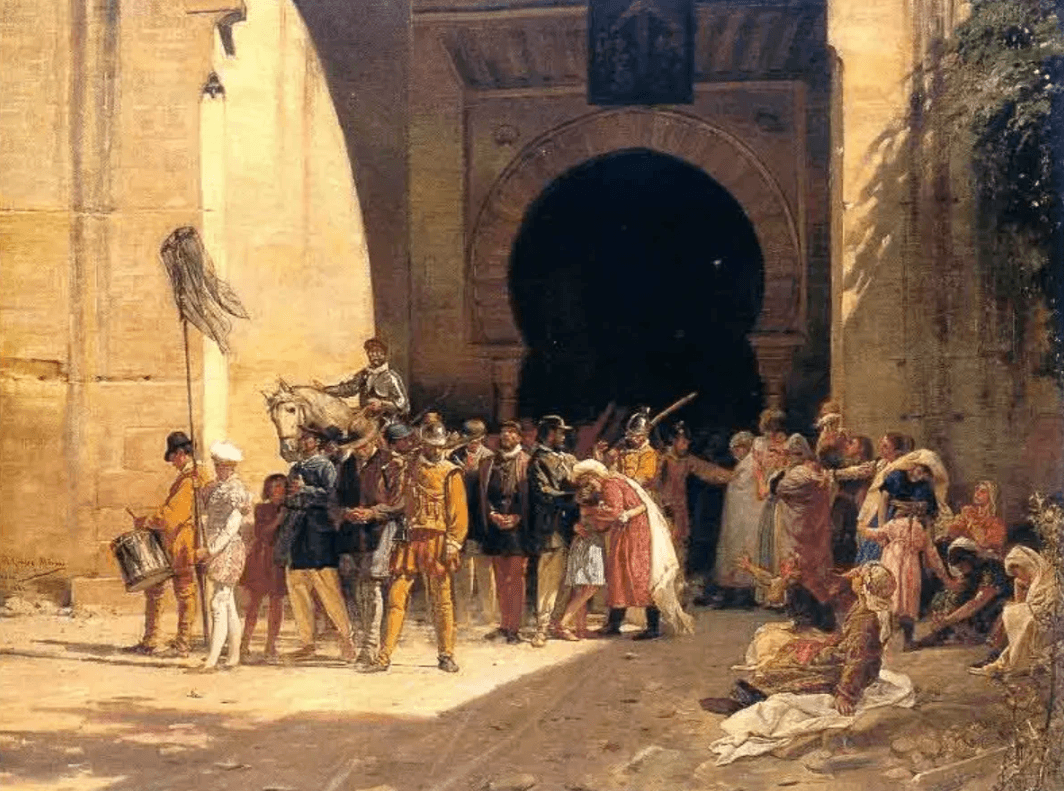
This atmosphere of absolute terror was orchestrated through a series of calculated, brutal psychological moves. Mehmed knew that Italy was a fractured mosaic of city-states that thrived on gossip and fear. By allowing news of the brutal fall of Otranto to spread rapidly, he ensured that the Italian people viewed his army as an unstoppable force of nature. This was “political theater” at its most lethal. He utilized his hafiye to spread rumors that a massive fleet of hundreds of ships was preparing to cross the Adriatic, carrying cannons even larger than the ones that shattered Constantinople. The result was a total breakdown of Italian morale; the streets of Rome were filled with panic, and the political unity of the Italian princes evaporated as everyone scrambled to save themselves rather than the Church.
The most dramatic evidence of this political fear was the reaction of Pope Sixtus IV. Upon hearing that the Ottoman standards were flying on the Italian mainland and that Mehmed was preparing his main imperial army to join the bridgehead, the Pope did not call for a heroic stand. Instead, he prepared for a humiliating flight. The Vatican was thrown into a state of emergency; the Pope’s ships were readied for a quick escape to Avignon, France, and the treasures of the Church were packed to avoid being seized as war trophies. This was the ultimate political victory for Mehmed: the head of the Christian world was ready to abandon the “Holy City” because the Ottoman heartbeat was thumping too loudly on the horizon.
However, the final chapter of this campaign remains one of history’s greatest “what ifs.” In May 1481, as Mehmed was encamped at Hünkârçayırı, poised for a massive campaign that many believed was headed for the Italian heartland, the heartbeat of the empire suddenly stopped. His death in camp triggered an immediate retreat of the Ottoman forces from Otranto, as a civil war broke out between his sons. The Pope, hearing the news of the Sultan’s death, famously ordered the bells of Rome to ring in celebration, and a three-day feast was held to mark the “death of the Great Eagle.” Even in death, Mehmed’s political power was proven; it took the passing of one man to save a city that an entire continent’s armies could not protect. He died as he had lived—in a tent, surrounded by the machinery of war, proving that the fear he cultivated was the most powerful weapon in his arsenal.
His legacy was not just the city he conquered, but the centuries of stability he authored, proving that a leader’s greatest weapon is not the sword he carries, but the system he leaves behind.