written by Ehtesamul Hoque
The year 1258 arrived quietly, yet it changed the direction of history.
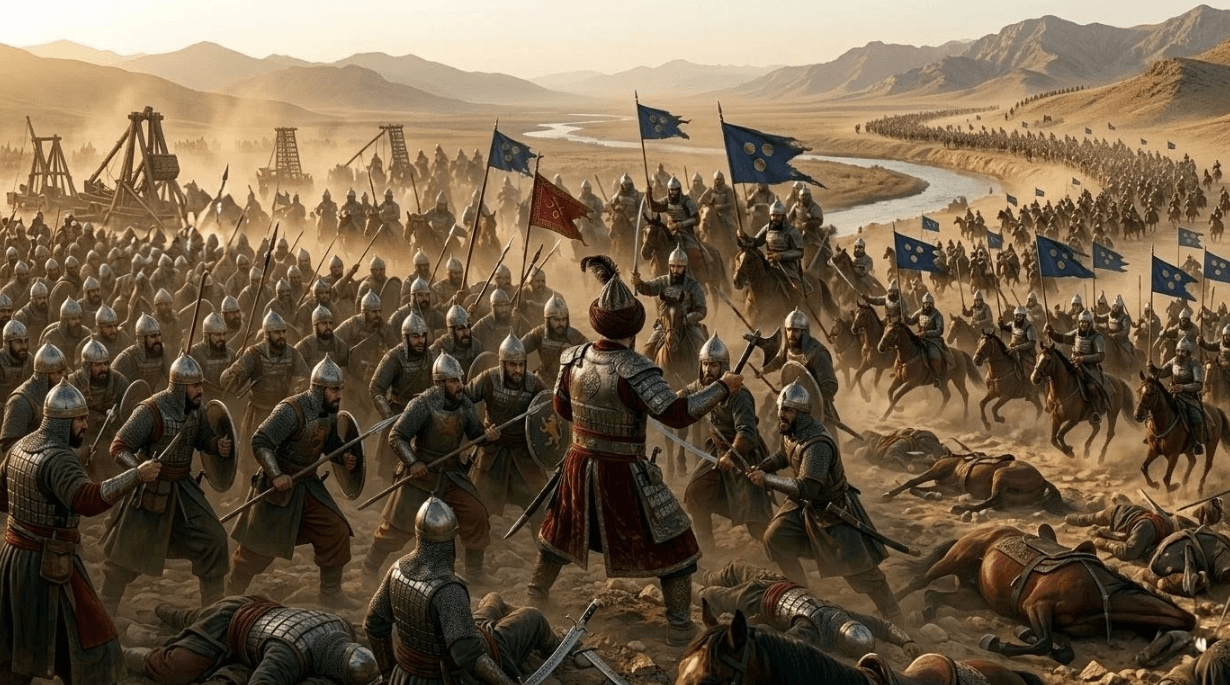
In Baghdad, the lamps of knowledge that had burned for centuries were extinguished. The city that once gathered scholars, travelers, and seekers of faith fell into silence. The fall of the Abbasid Caliphate was not only the loss of a political authority; it was the loss of familiarity. The sound of teachers in courtyards, the rhythm of life built around mosques, the comfort of a world that felt stable and protected — all seemed to fade at once. For many Muslims, it felt as though the Ummah had entered a long night.
Yet history, like the will of Allah, often moves in ways unseen by those living through it.
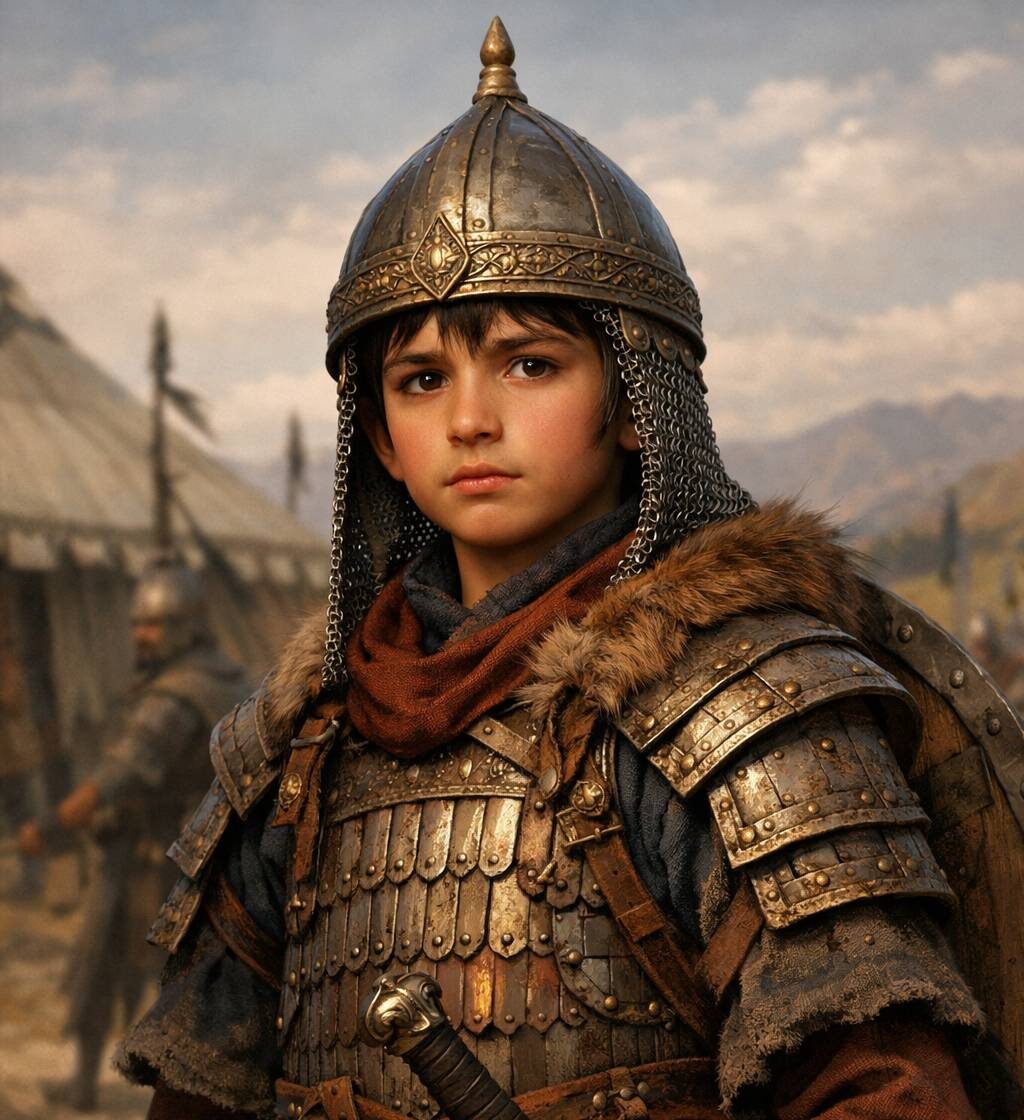
In that same year, far from the grief of Baghdad, in the windswept lands of Anatolia, it is traditionally held that a child named Osman was born. There were no celebrations recorded, no scholars writing about the moment. He was born among simple people — people who measured wealth not in gold, but in honor, loyalty, faith, and service. Their lives were built around prayer, community, and responsibility to one another. In such places, history does not announce itself. It prepares quietly.
The Qur’an reminds humanity that responsibility is never fixed to one people forever: “If you turn away, He will replace you with another people; then they will not be like you” (47:38).
Across Islamic history, leadership has moved where faith, discipline, and duty were preserved. After the weakening of older centers of power, new guardians emerged — sometimes from places the world did not expect.
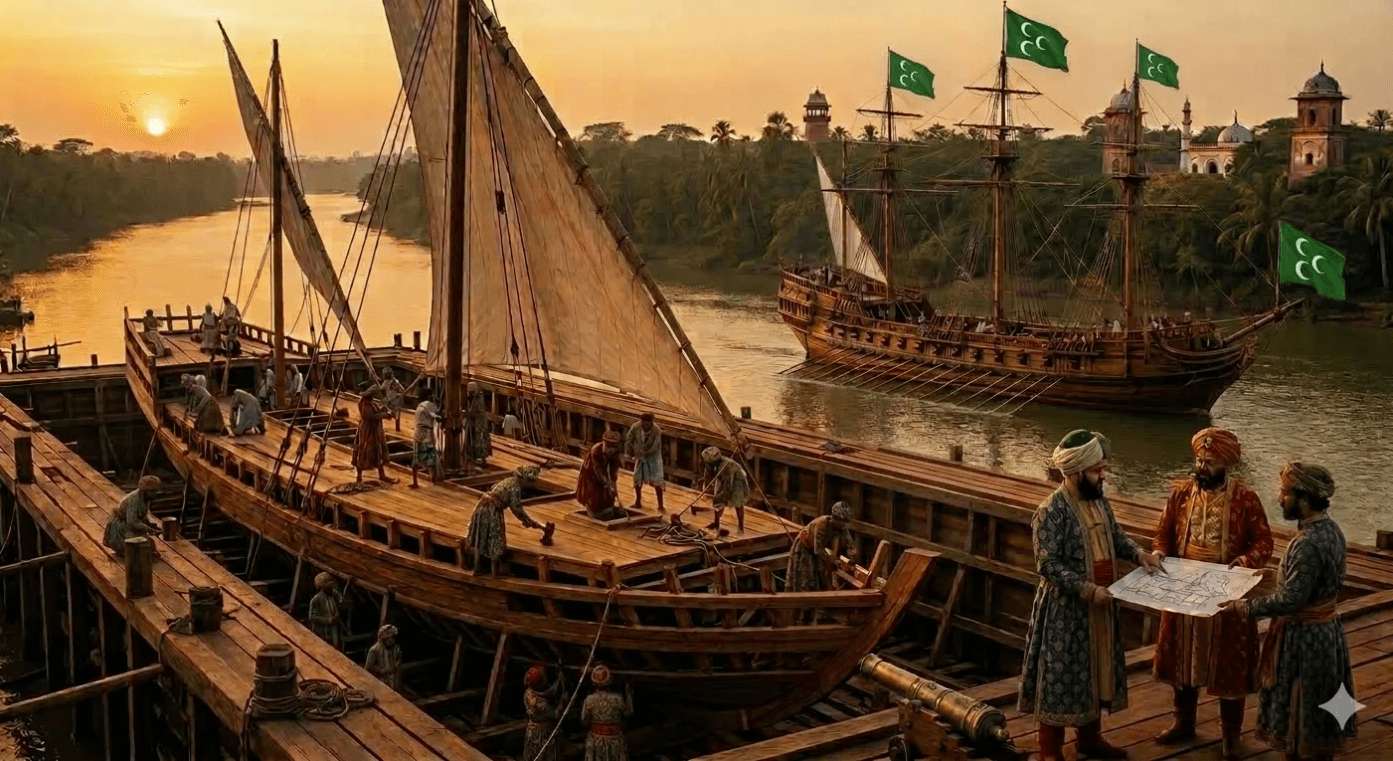
In the centuries that followed, Turkic Muslim societies increasingly carried this burden. From the Seljuks who defended the Islamic heartlands, to the Mamluks who stood against the Mongol storm, and finally to the Ottomans who built an order that would shelter Muslims across continents, a pattern slowly revealed itself. The Ottoman state did not rise overnight, nor only through the sword. It rose through structure, law, charity, and stability. Under their rule, pilgrimage routes were secured, holy cities were protected, mosques and schools were built, and ordinary Muslims were able to live their faith without fear.
[/et_pb_text][et_pb_image src=”https://royalottomans.com/storage/Osman-Blog.jpg” _builder_version=”4.27.5″ _module_preset=”default” theme_builder_area=”post_content” title_text=”Osman-Blog” hover_enabled=”0″ sticky_enabled=”0″][/et_pb_image][et_pb_text _builder_version=”4.27.5″ _module_preset=”default” theme_builder_area=”post_content” hover_enabled=”0″ sticky_enabled=”0″]For generations, the Ottoman lands became a place where Islam was not only defended, but lived — in markets, in homes, in mosques, in acts of charity, and in the quiet dignity of daily life.
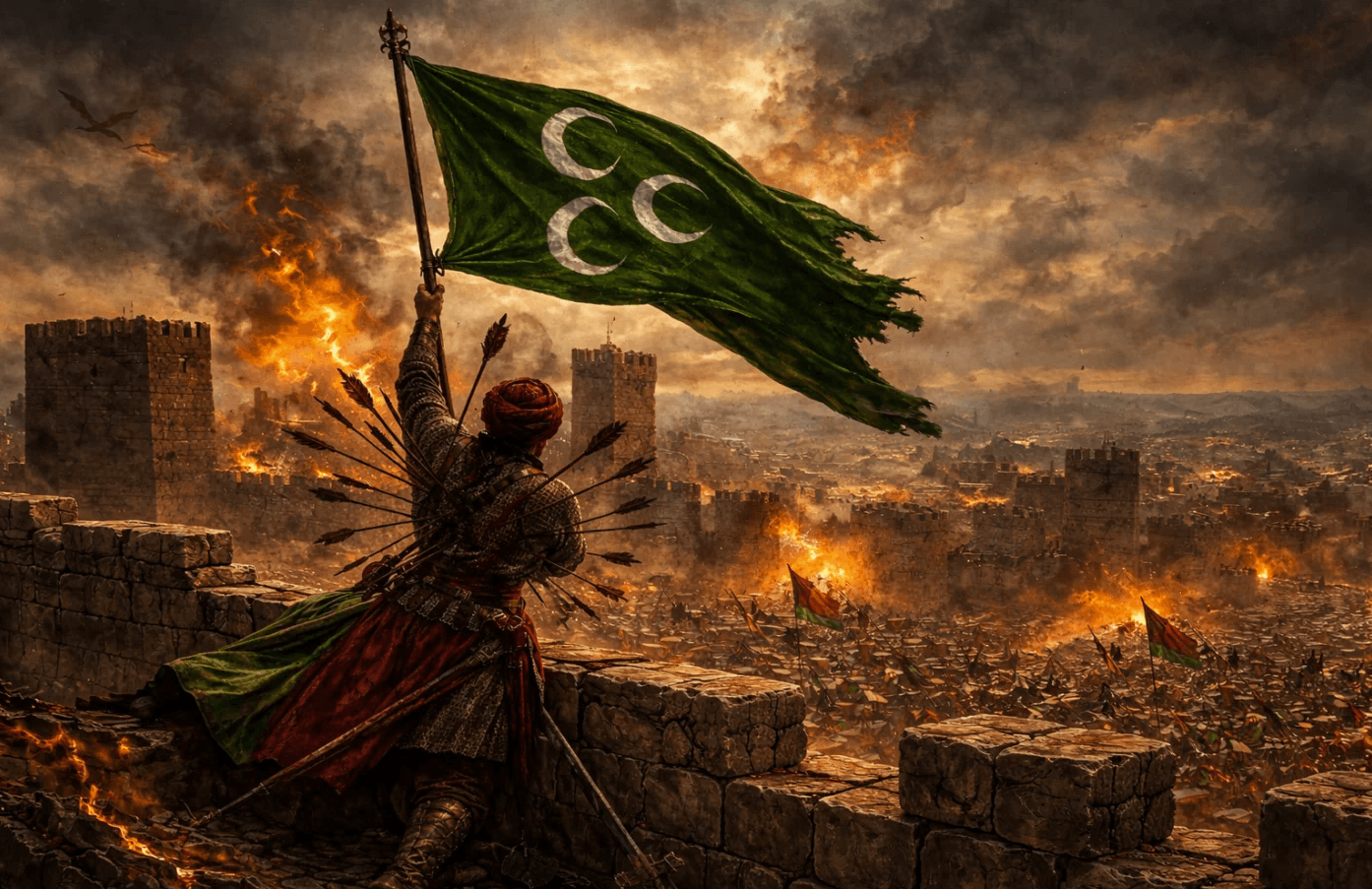
The spiritual dimension of their story seemed to echo further when, centuries later, Sultan Mehmed II entered Constantinople. Many remembered the prophetic words praising the future conqueror and his army. To believers, this moment did not feel accidental. It felt like history aligning with promise.
Looking back, the year 1258 no longer appears only as an ending. It appears as a transition written with divine wisdom. When one center fell, another was being prepared in silence. When one banner lowered, another was being raised by hands still unknown to history.
Perhaps this is the quiet lesson of that year:
- Allah does not leave the Ummah without guardians.
- When responsibility is neglected, He entrusts it to those who will carry it with patience, faith, and endurance.
And in the unfolding of centuries, many came to see the Ottomans not merely as rulers of lands, but as a people entrusted — for a time — with the protection of the Ummah, chosen not by power, but by responsibility placed upon them by Allah.
[/et_pb_text][/et_pb_column][/et_pb_row][/et_pb_section]