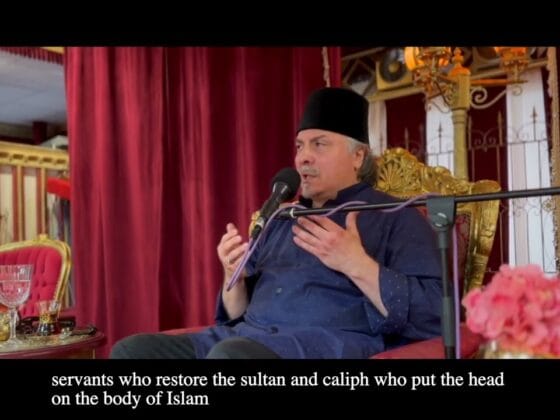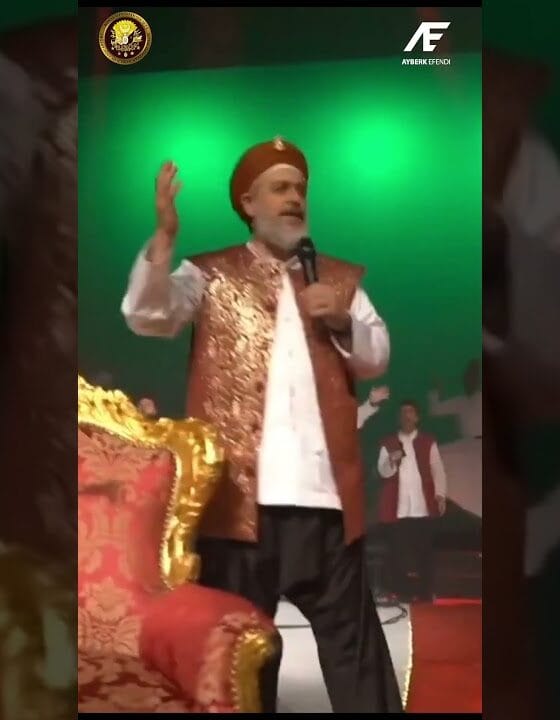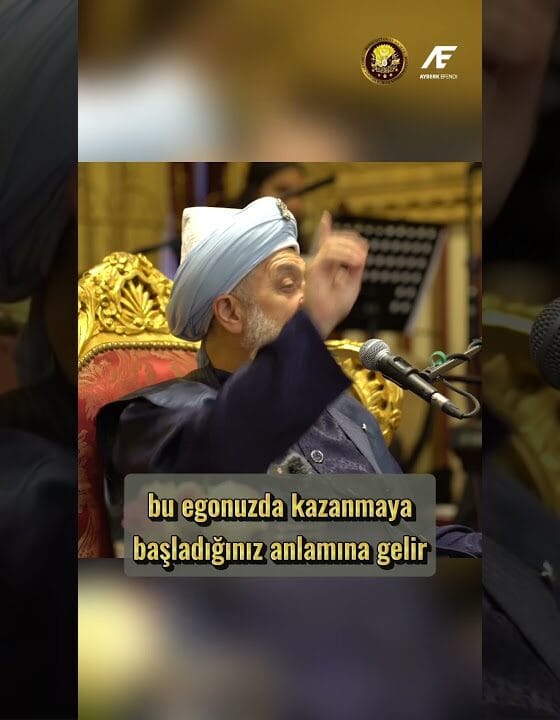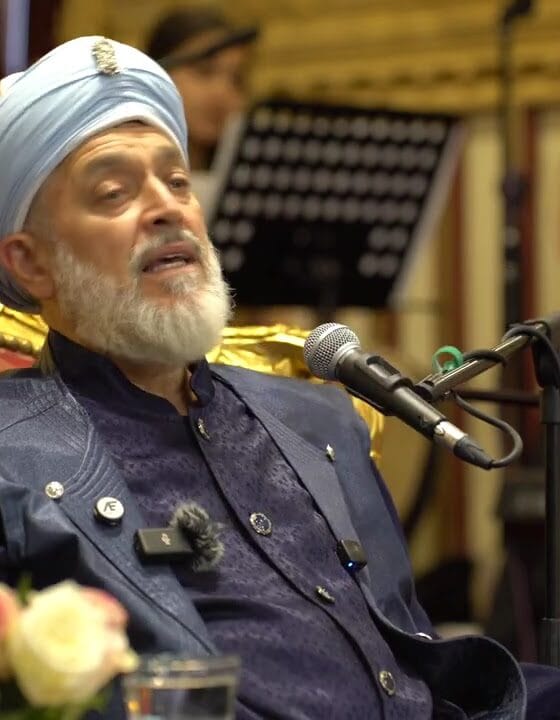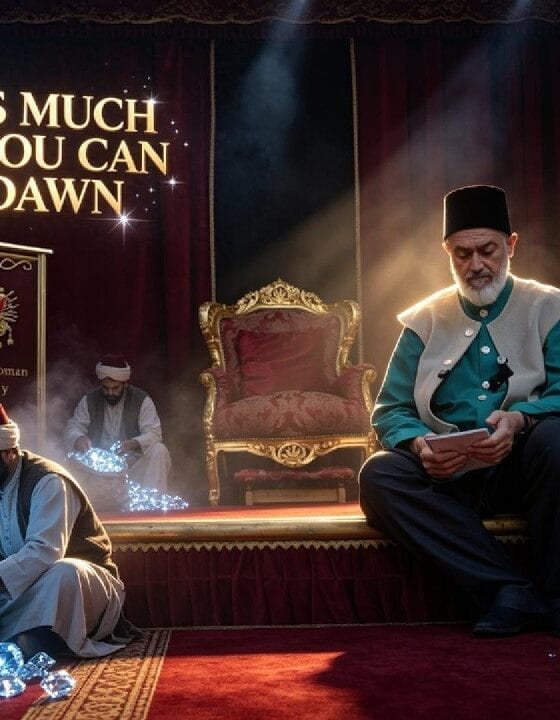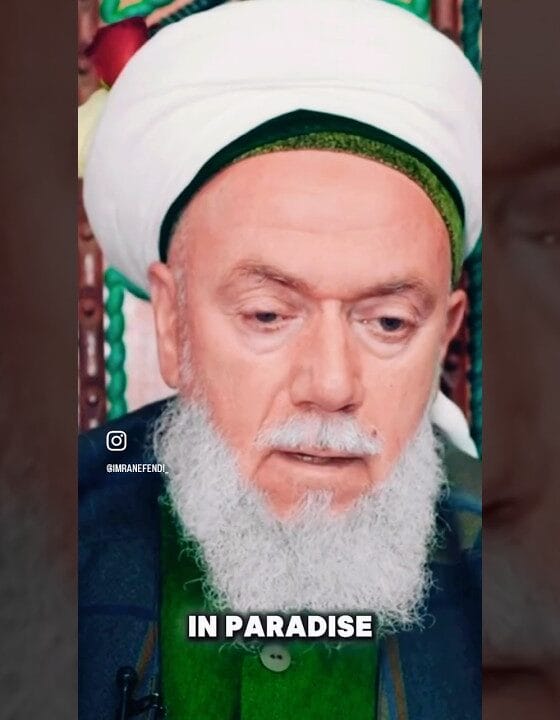
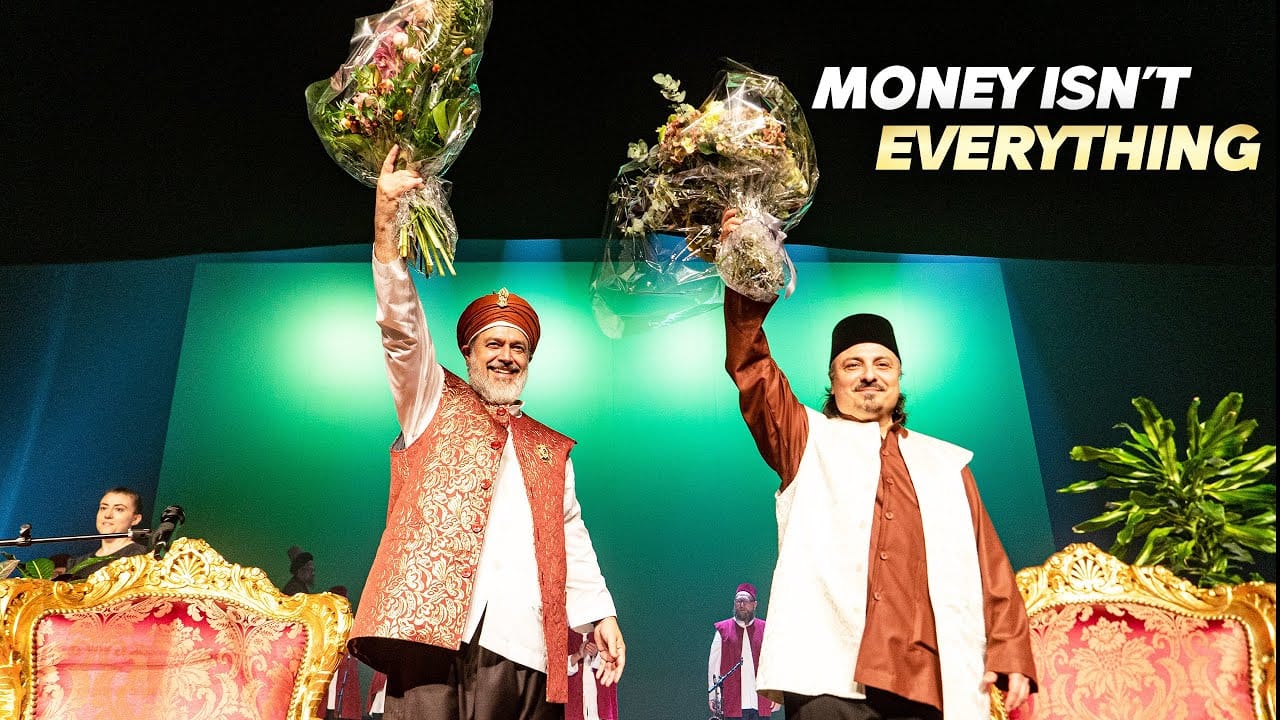
In a moving illustration drawn from Jalal uddin Rumi’s Masnavi, Sheikh Bahauddin reminds us that the greatest riches are not measured in gold or property but in the humility and love that endure beyond the grave. The story he recounts follows a magnate whose life resembled that of a king: boundless wealth, a grand estate, and a single beloved son who stands by his father’s bedside as the old man approaches his final breath.
The Father’s Unusual Request
On his death‑bed the father asks his son to fulfill one last wish. He hands the child a pair of threadbare, riddled‑with‑holes socks and says, “When I am laid in the shroud, clothe me in these socks so that I may not feel cold in the grave.” The son, startled, assumes his father is about to renounce his inheritance. Yet the father insists: the socks must be washed, then placed on his body after the funeral rites.
The son carries the request to the local imam, the mufti, and finally to the judge (kadi), each of whom refuses. Their reasoning follows the legal and ritual norms of Islam: a corpse is to be wrapped in a shroud, not dressed in clothing, especially not in something as insignificant as a pair of old socks. The officials argue that the wish falls outside the established procedures.
The Letter Inside the Socks
When the matter reaches the kadi, the judge asks the son to read the letter that accompanied the socks. Inside, the dying father writes:
“My son, I have possessed great wealth and power, but you cannot dress me in these socks after I have passed. The true gift I seek is not material. Let my love and humility be the legacy you carry forward.”
The revelation reframes the whole episode. The father’s desire was never about the physical act of dressing a corpse; it was a symbolic test of the son’s willingness to honor a humble request, even when it seems absurd. By insisting on the socks, the father sought to remind his heir that attachment to wealth is fleeting, while modesty and obedience endure.
The Spiritual Lesson
Sheikh Bahauddin uses this narrative to highlight a central Sufi teaching: true wealth lies in the heart’s capacity for surrender, compassion, and remembrance of the Divine, not in the accumulation of worldly assets. The story urges us to:
- Recognize the impermanence of material riches.
- Value the humility that allows us to serve others, even in the most modest ways.
- Understand that a parent’s love can manifest through seemingly strange gestures that carry deeper spiritual meaning.
When we let go of the illusion that money equates to security, we open ourselves to the richer, unseen blessings of inner peace and divine closeness.
If this story resonates with you, we invite you to explore the Royal Ottoman Society’s library of daily zikr, reflections, and classic texts that deepen the path of the heart: Royal Ottoman Library.
Become part of a community that cherishes such timeless wisdom—join us today: Membership.