Written by Hannah B. Mubarak
In the Ottoman Empire, Ashura was more than a religious observance, it was a tradition that brought faith, charity, and community into everyday life. Observed on the tenth day of Muharram, the occasion carried deep spiritual meaning across the Islamic world while taking on a distinct social character in Ottoman society. Through acts of generosity, the sharing of aşure, and communal participation, Ashura became an expression of both devotion and social unity, reflecting the values that shaped Ottoman religious and cultural life.
Understanding Ashura: Origins and Religious Meaning
Ashura, observed on the tenth day of Muharram, has been recognised since the earliest period of Islamic history as a day of religious importance. According to Islamic tradition, the Prophet Muhammad ﷺ observed fasting on this day after arriving in Medina and encouraged its observance, describing it as a day connected to gratitude and remembrance. The day is associated with Allah granting deliverance to Prophet Musa (AS) and the Children of Israel by parting the sea and drowning Firawn, making it a moment of divine mercy and victory remembered through worship and fasting. Early Muslim communities continued this practice, and reports from the companions indicate its enduring significance. It is narrated that Ali ibn Abi Talib (RA), among others, regarded fasting on Ashura as a virtuous act and maintained its observance. Over time, the day became established within Sunni religious life as an occasion for worship, reflection, and charitable acts. In the Ottoman Empire, these traditions remained influential and shaped how Ashura was observed across both public and private life.

Ashura at the Ottoman Court and Among the People
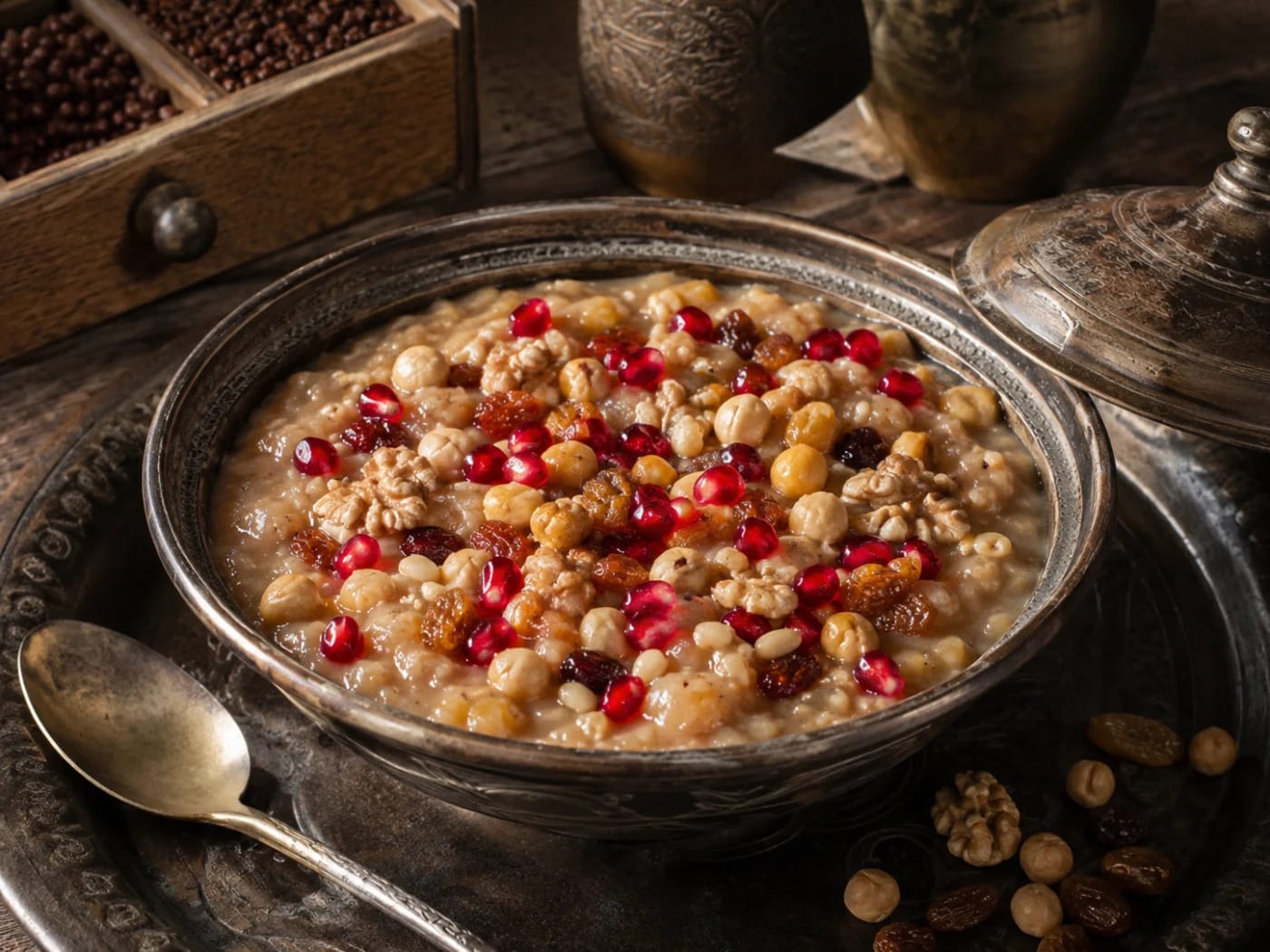
Within the Ottoman Empire, Ashura developed into more than a day of fasting and religious reflection, it became a deeply rooted social tradition that reflected the values of Ottoman communal life. While the observance remained connected to its religious origins, Ottoman society embraced the occasion through acts of generosity and neighbourly exchange. One of the most recognisable customs was the preparation of aşure, a pudding made from a mixture of grains, legumes, dried fruits, and nuts, traditionally prepared during Muharram and distributed among family, neighbours, and those in need. The act of sharing food carried symbolic meaning, expressing gratitude, abundance, and social solidarity. Through these customs, Ashura became woven into the everyday life of the empire and transformed into an occasion that strengthened both religious devotion and communal bonds.
The Tradition of Aşure: Food, Charity, and Social Bonds
Beyond household customs, Ashura also reflected the wider Ottoman understanding of charity as a public and religious responsibility. Throughout the empire, acts of giving during Muharram extended beyond individual generosity and became embedded within communal life. Religious institutions, local benefactors, and charitable endowments often supported the distribution of food and assistance to those in need, reinforcing the idea that devotion was closely tied to service. Public acts of generosity strengthened relationships across neighbourhoods and created opportunities for different social groups to participate in shared traditions. In this way, the observance of Ashura contributed to a broader Ottoman culture in which religious occasions were not experienced in isolation but became moments that reinforced social cohesion and collective responsibility.
Communal Worship and Religious Life During Ashura
During Muharram, religious life across the Ottoman Empire took on a more reflective and devotional character. Mosques became important centres of gathering where worshippers attended prayers, listened to sermons, and participated in recitation and remembrance. Religious scholars used the occasion to speak about spiritual discipline, gratitude, and the importance of maintaining acts of worship throughout the sacred month. In some regions, communal gatherings of dhikr were also held, particularly within Sufi circles, bringing together worshippers in organised acts of remembrance and devotion. These gatherings formed part of the wider religious rhythm of Ottoman society and demonstrate how sacred occasions were experienced collectively within both urban and local communities.
Traditional Ottoman Aşure (Ashura Pudding) Recipe:
Aşure was traditionally prepared in large quantities during Muharram and shared among neighbours, relatives, and guests. Recipes varied across Ottoman households, but wheat remained the foundation of the dish.
Ingredients:
Base
- 2 cups aşurelik wheat (wheat berries), soaked overnight
- ½ cup cooked chickpeas
- ½ cup cooked white beans
- ¾–1 cup sugar (adjust to taste)
- 10–12 cups water
Dried Fruits
- ½ cup dried apricots, diced
- ½ cup dried figs, diced
- ½ cup raisins
Optional Additions (traditional household variations)
- ¼ cup rice (for a softer texture)
- ½ cup barley
- Dates, chopped
- Dried mulberries
- Currants
- Orange zest or a small strip of peel
- Rose water (1 tsp)
- A small amount of honey for sweetness
Toppings
- Ground cinnamon
- Chopped walnuts
- Pistachios
- Pomegranate seeds
- Toasted sesame seeds
- Coconut flakes (modern variation)
Method
- Soak the wheat overnight. Drain and cook in fresh water until soft and slightly creamy.
- Add chickpeas and white beans and simmer gently.
- Stir in the dried fruits and any optional ingredients being used.
- Add sugar and continue cooking until fully dissolved and the mixture thickens slightly.
- If using rose water or honey, stir in near the end of cooking.
- Adjust with water if needed, the mixture should remain looser than the final texture, as it thickens while cooling.
- Pour into bowls and garnish before serving.
Traditionally, aşure is prepared in large quantities and shared with neighbours, relatives, and friends, reflecting the Ottoman custom that blessings increase when food is shared.
May this serve as a small reminder of the virtues of Ashura and the traditions through which generations remembered and honoured this blessed day. Ameen!