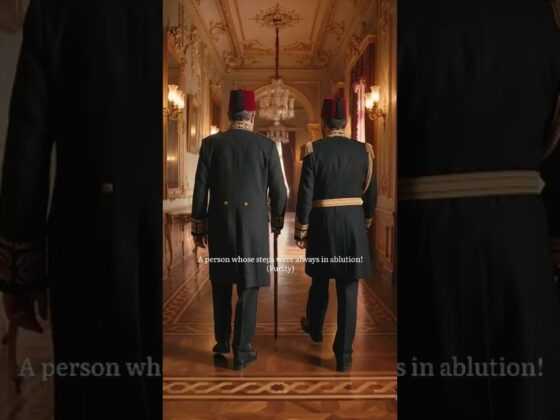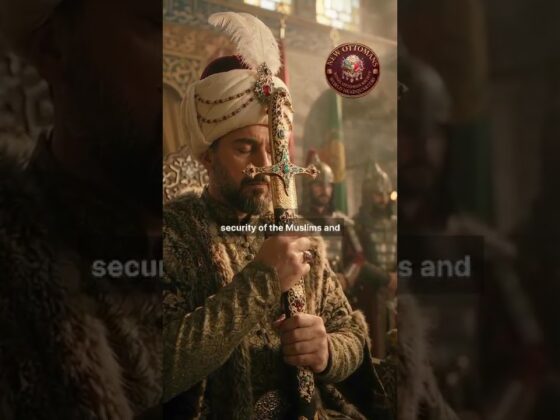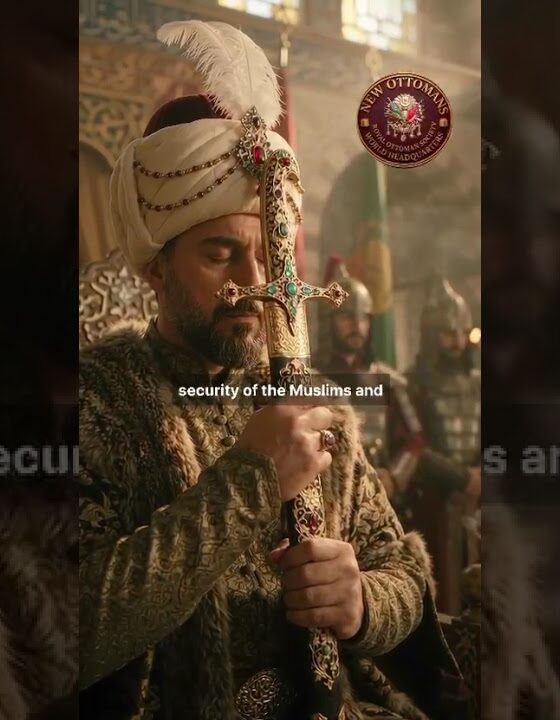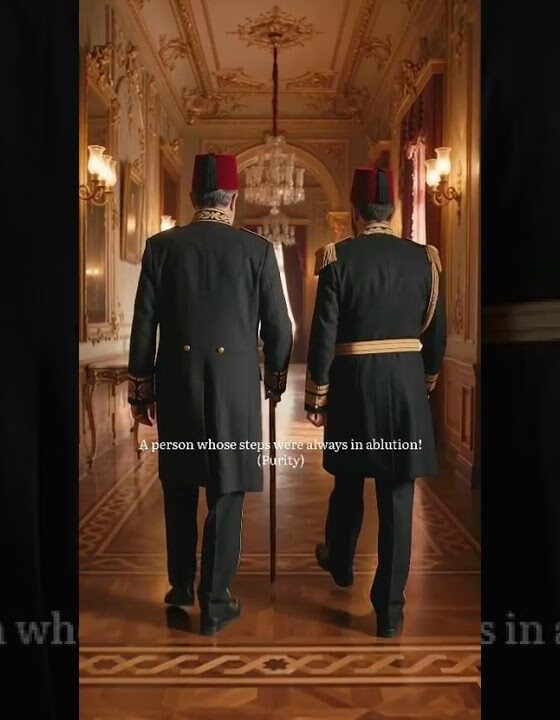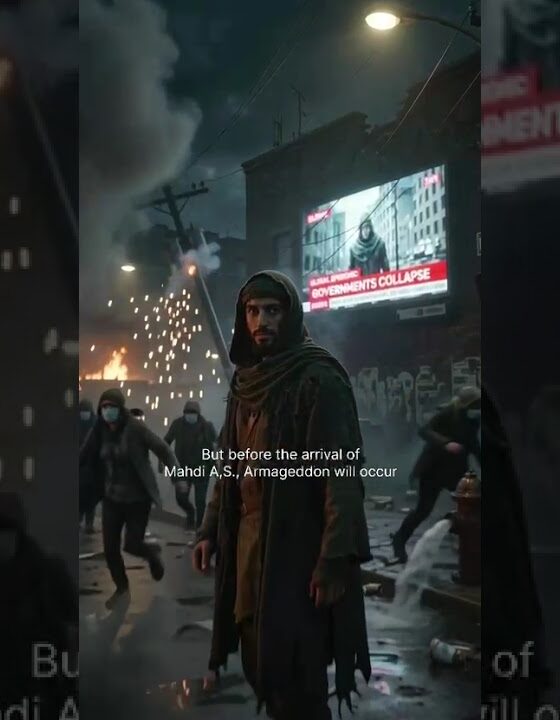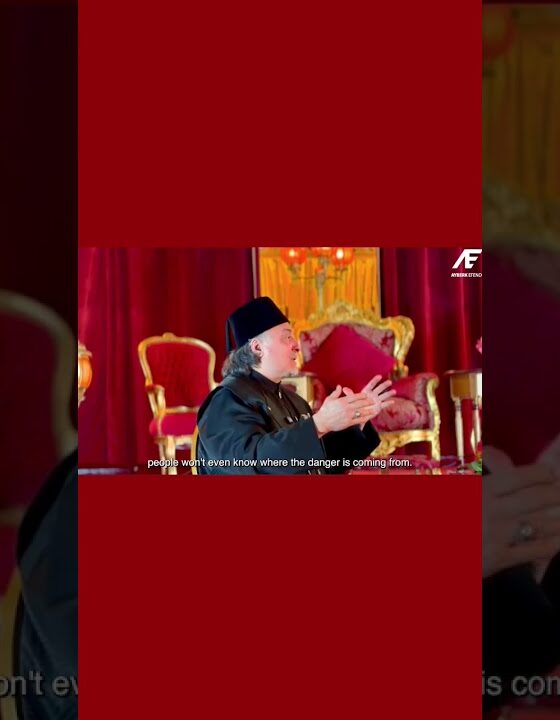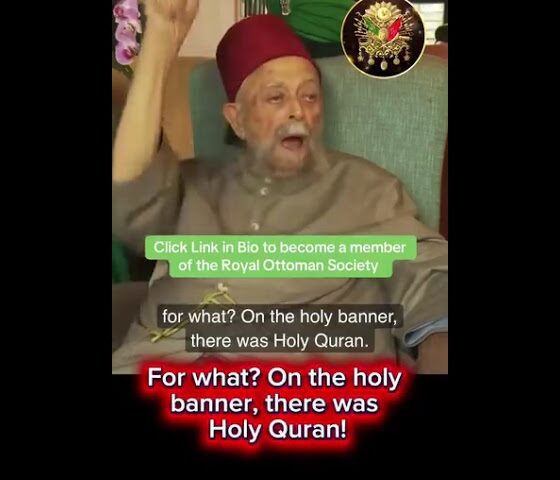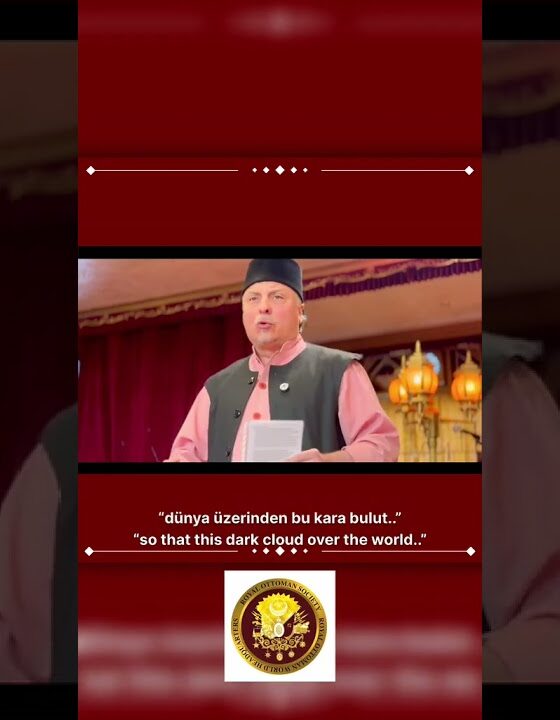
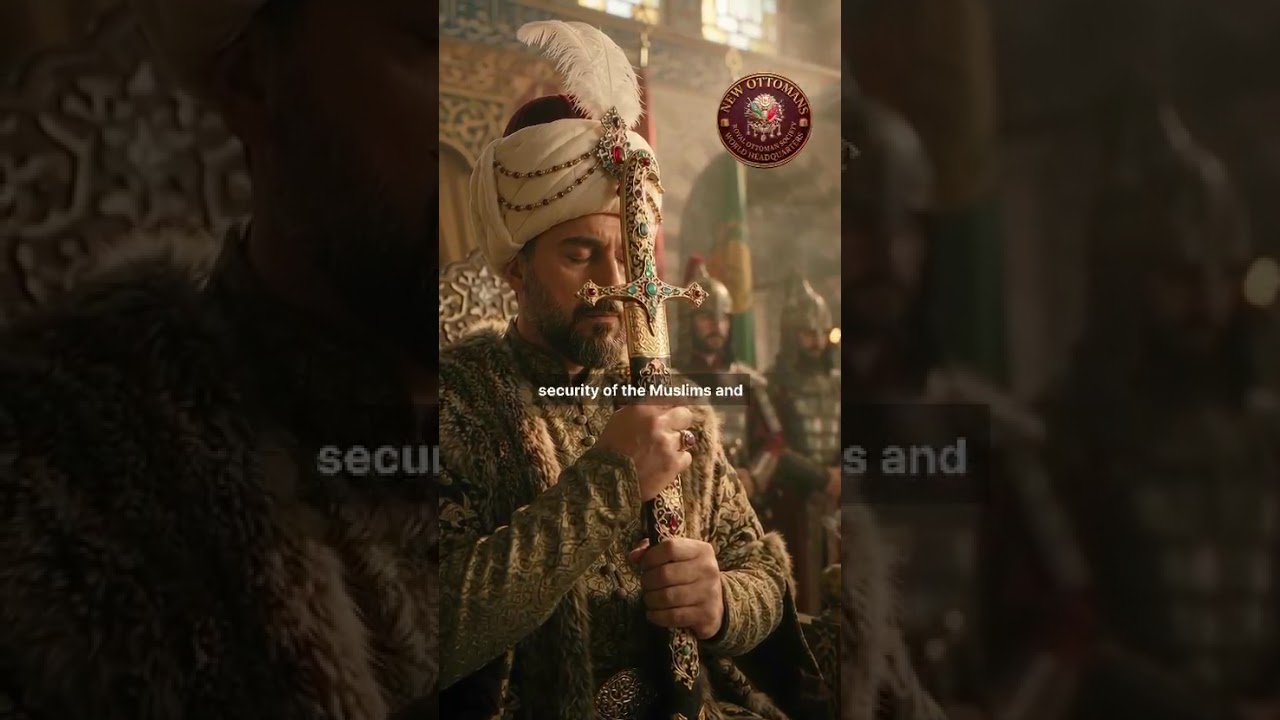
In this teaching, a passage from The Return of the Ottomans is brought forward, recalling a Friday sermon attributed to the Prophet Muhammad (peace be upon him). In that sermon the Prophet foretold that the Ottoman Empire would, for many centuries, serve as the defender of the Muslim community and the guardian of the sacred trusts entrusted to it. He then warned that a future era would witness the downfall of this great empire, giving rise to an age of tyrants, widespread disbelief, and the loss of a unifying authority for the ummah.
Reading these words today, the Royal Ottoman Society perceives a striking relevance to the challenges that confront contemporary Muslim societies. The loss of moral and spiritual leadership, as described in the prophecy, can lead to fragmentation, oppression, and a sense of abandonment among believers. Yet the same narration also carries a hopeful reminder: the Ottoman legacy was not merely a political phenomenon but a vessel for justice, compassion, and unity rooted in the Islamic tradition.
From a Sufi perspective, the call is to renew inner devotion and collective responsibility. By nurturing sincere worship, fostering compassionate community bonds, and transmitting authentic knowledge, seekers can embody the principles that once illuminated the Ottoman era. Such a renewal does not depend on external power structures alone; it arises from the hearts and actions of those who strive to live the spiritual heritage of Islam.
The Royal Ottoman Society invites all who feel the stirrings of this timeless message to deepen their study of the tradition. Our digital library offers a wealth of texts, including the works referenced in this teaching, to support personal reflection and communal dialogue.
Explore the library here: Royal Ottoman Society Library