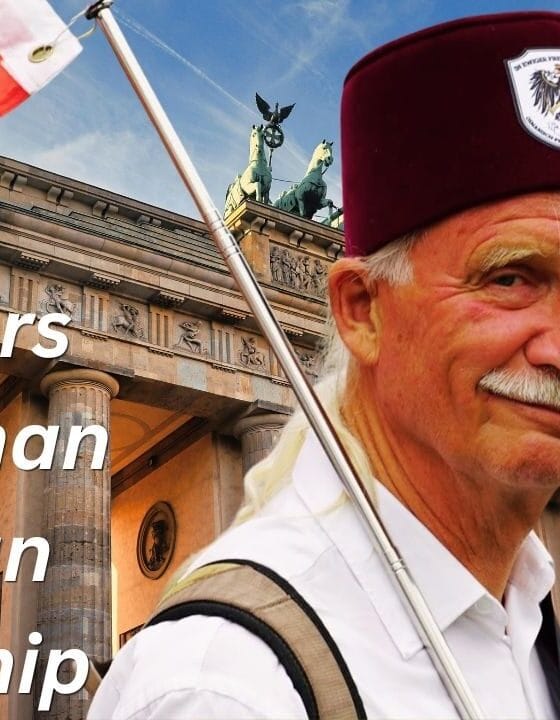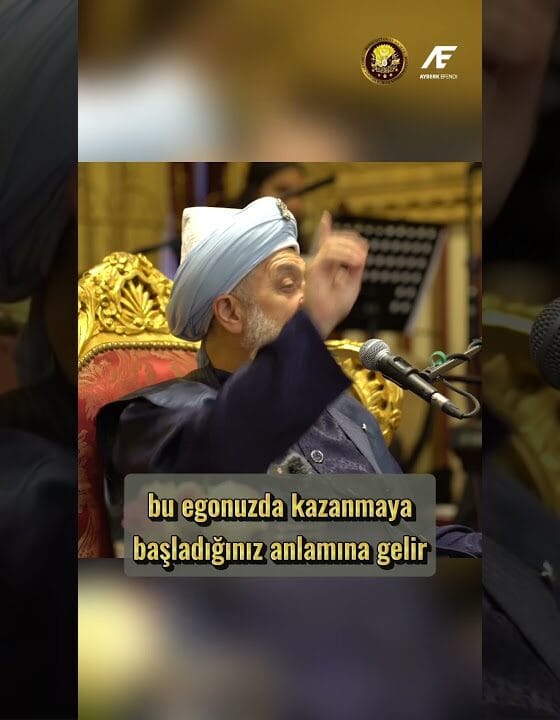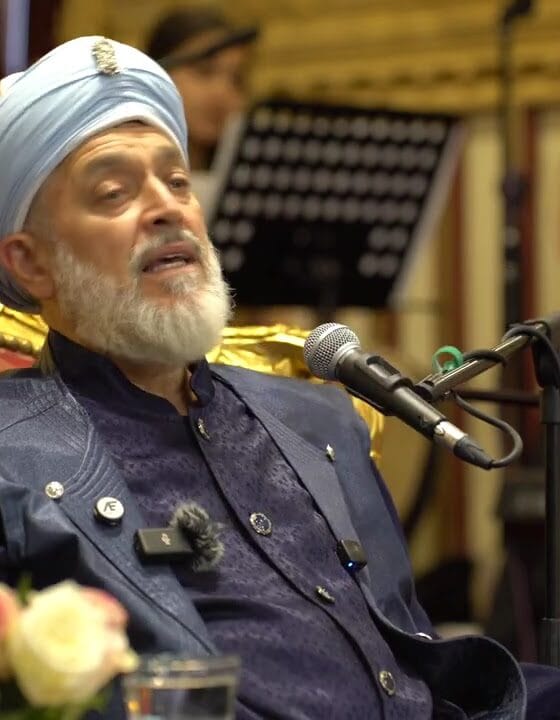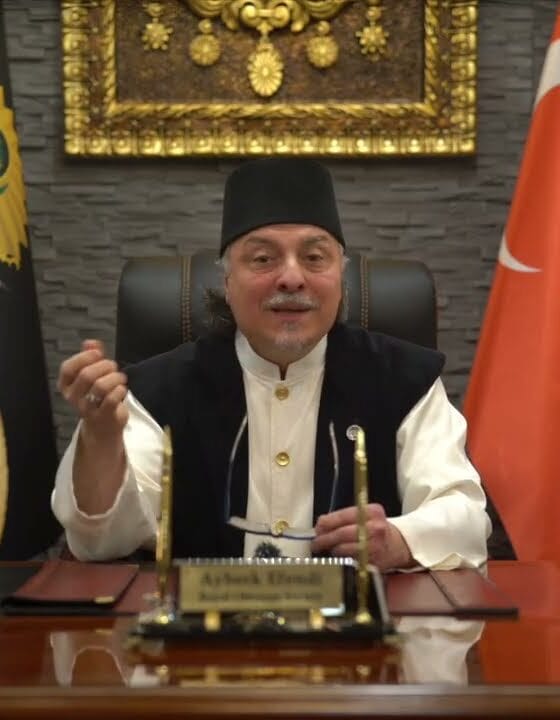
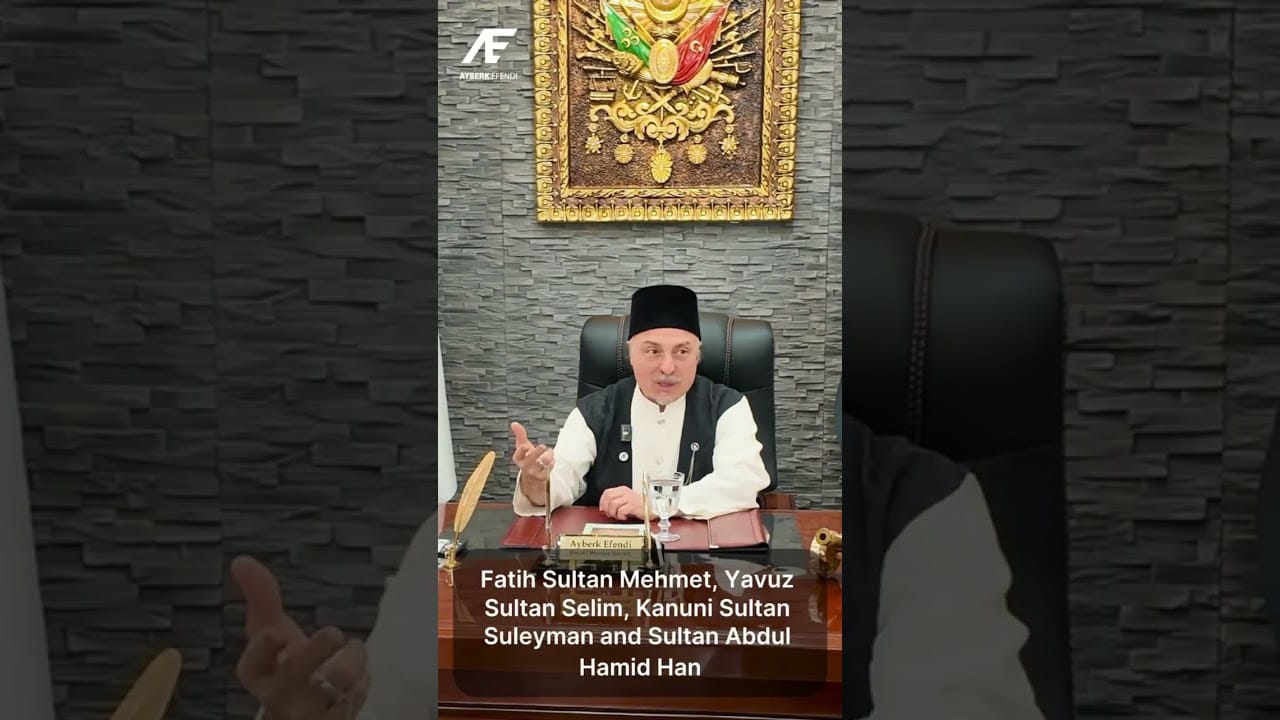
In this teaching we are invited to reflect on four figures whose lives continue to shape our understanding of Ottoman greatness: Fatih Sultan Mehmet, Yavuz Sultan Selim, Kanuni (Sultan) Süleyman and Abdülhamid Han. The speaker emphasizes that each of them left a distinct imprint—through conquest, legal reform, or steadfast governance amid adversity—and together they illustrate the enduring spirit of the Ottoman legacy.
Fatih Sultan Mehmet, known as “the Conqueror,” captured Constantinople in 1453, turning the ancient Byzantine capital into Istanbul and opening a new bridge between East and West.
Yavuz Sultan Selim forged a decisive eastern frontier in the early sixteenth century, securing victories that extended Ottoman influence deep into Persia and the Arabian Peninsula.
Kanuni Sultan Süleyman, the “Lawgiver,” combined military brilliance with sweeping legal reforms, guiding the empire to its territorial zenith while nurturing culture, architecture, and scholarship.
Abdülhamid Han is presented as a ruler who endured thirty‑three challenging years surrounded by intrigue. The teaching remarks that he held the empire’s vast domain—described metaphorically as “23 million metrekare” of territory—without surrendering any land.
These four sultans embody resilience, vision, and dedication to service, qualities we cherish in our own spiritual path. To deepen your study of their lives and the broader Ottoman heritage, explore our Library or join the Community for further discussion.