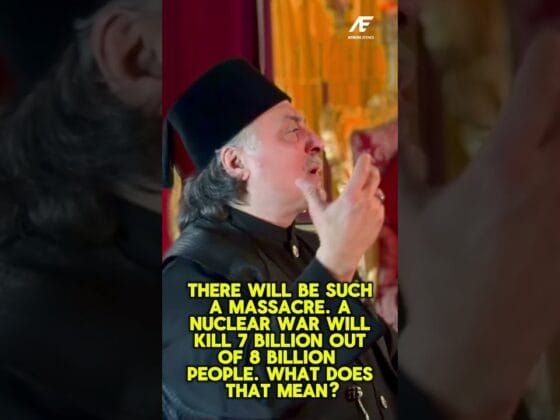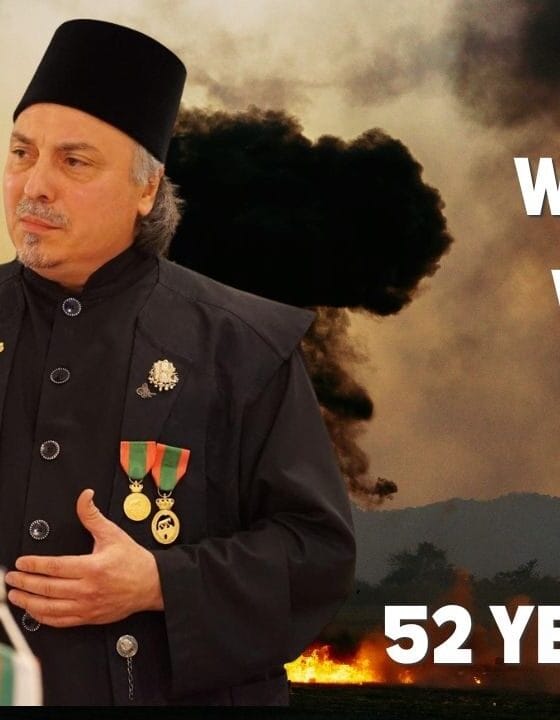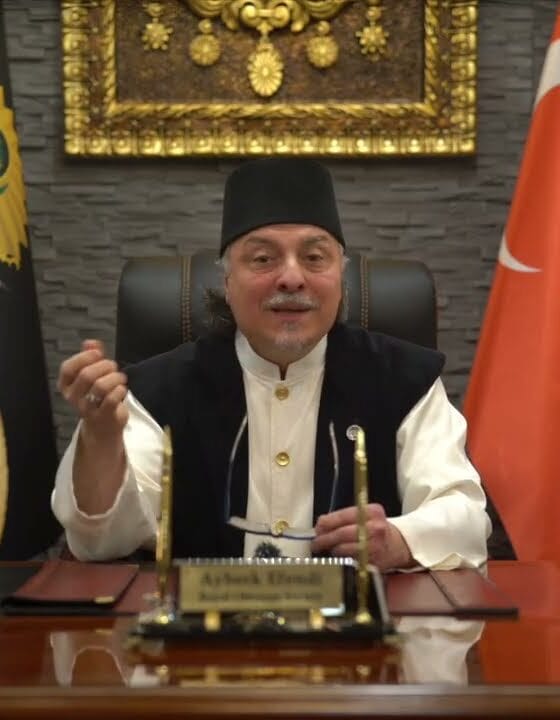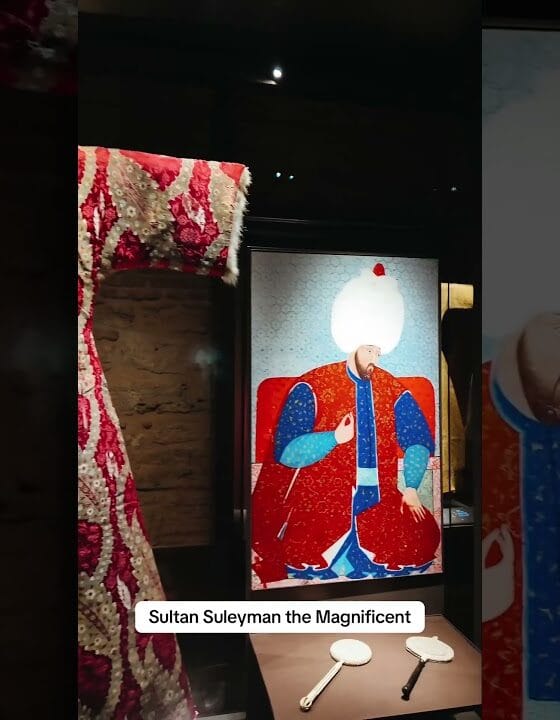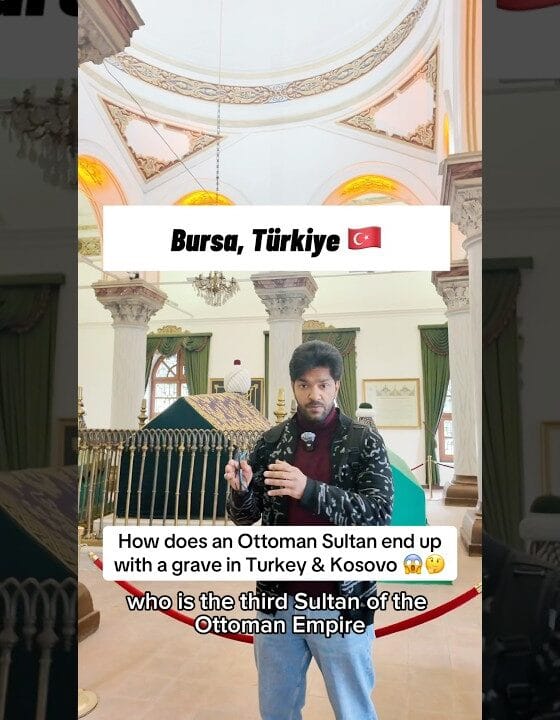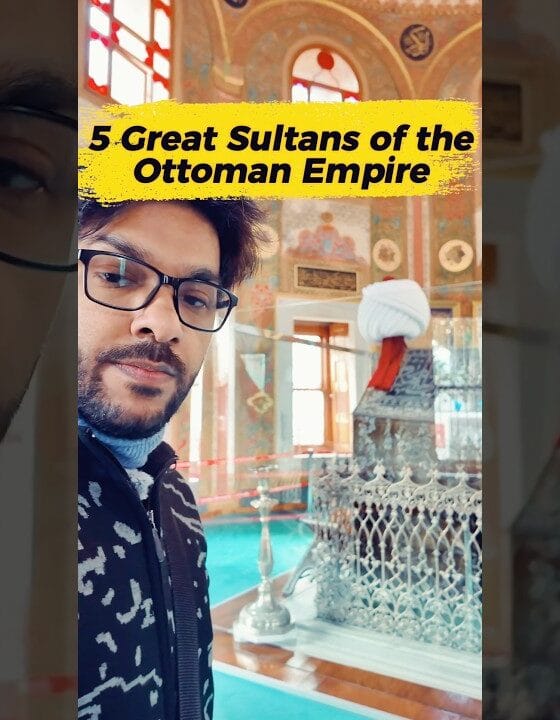
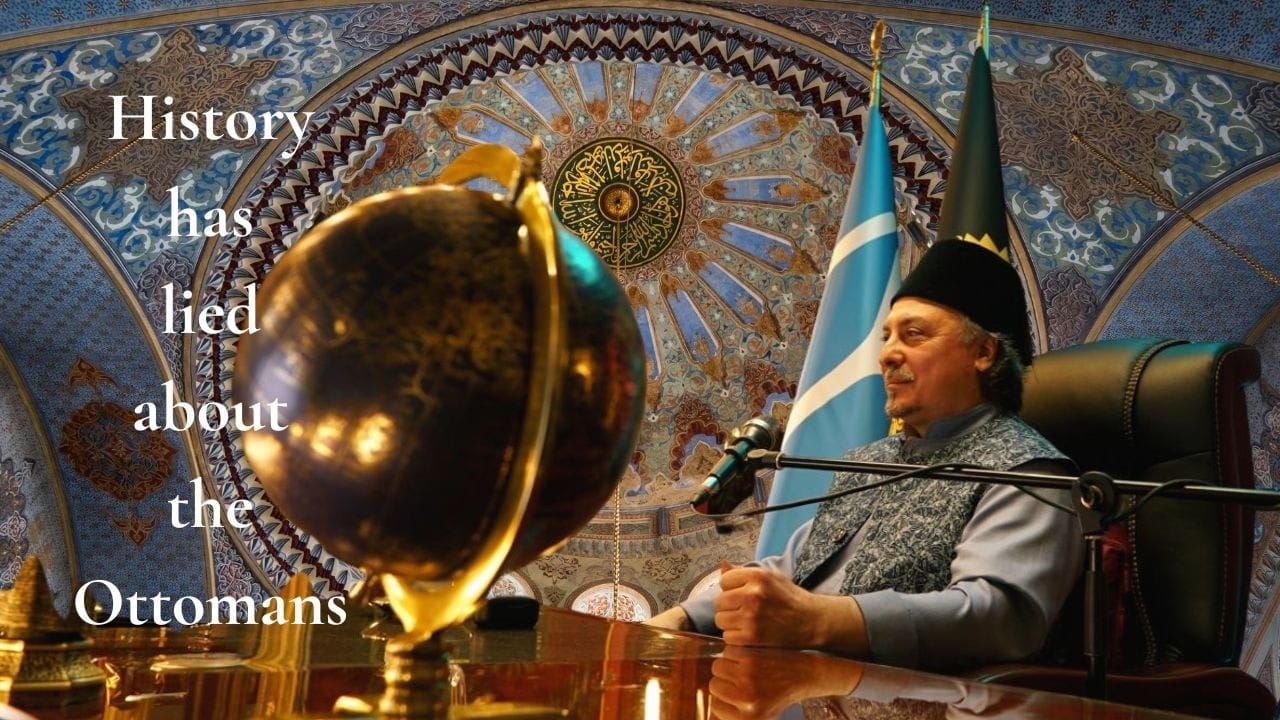
In a recent talk, Ayberk Efendi challenged the prevailing narratives that have shaped Western scholarship on the Ottoman Empire. He reminded us that history is often written from a particular perspective, and that the Ottoman story has been filtered through Euro‑centric lenses that emphasize decline, oppression, or exoticism while overlooking the empire’s profound contributions to art, science, governance, and spiritual life.
Ayberk Efendi pointed out several recurring misconceptions. First, the idea of an inevitable “Ottoman decline” is frequently presented as a linear trajectory, ignoring periods of reform, cultural flourishing, and diplomatic innovation that kept the empire vibrant for six centuries. Second, the portrayal of Ottoman rule as uniformly oppressive neglects the nuanced system of millets, which granted religious communities a degree of autonomy and fostered a multicultural society. Third, many historians have downplayed the empire’s role in preserving classical knowledge and facilitating trade between East and West, thereby underestimating its impact on the early modern world.
To uncover a more balanced picture, Ayberk Efendi encourages seekers to turn to primary Ottoman sources—chronicles, court records, and Sufi writings—that reveal a civilization deeply rooted in spiritual ethics, administrative sophistication, and artistic excellence. He also stresses the importance of consulting contemporary scholars from Turkey, the Balkans, and the Arab world, whose research often counters outdated Western narratives.
If you feel inspired to explore these perspectives further, consider becoming a member of the Royal Ottoman Society, where we provide access to rare manuscripts, scholarly articles, and community discussions that illuminate the true legacy of the empire. Join us as a member and be part of a growing circle dedicated to reclaiming an authentic Ottoman history.