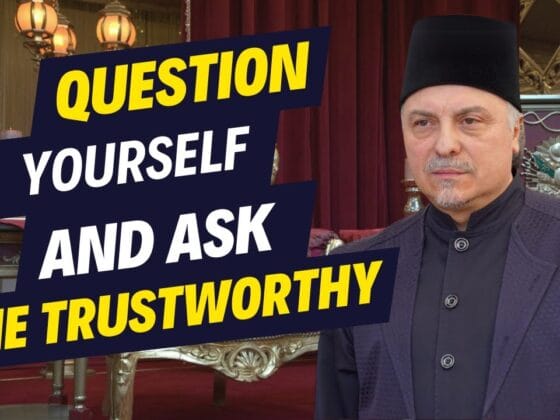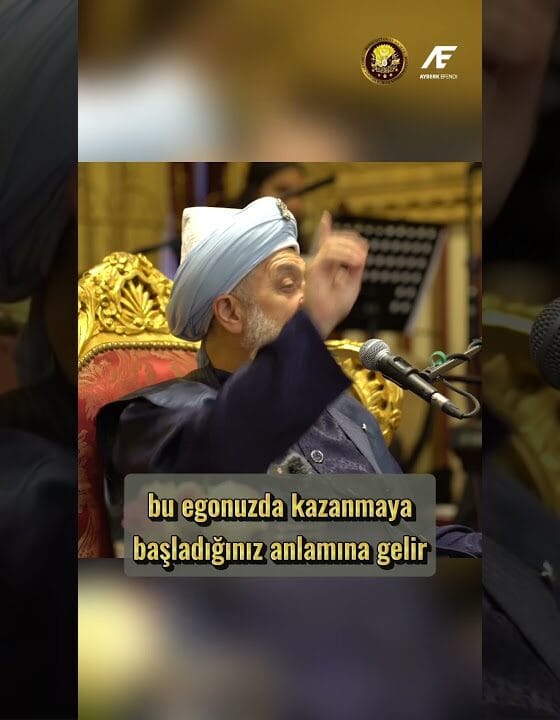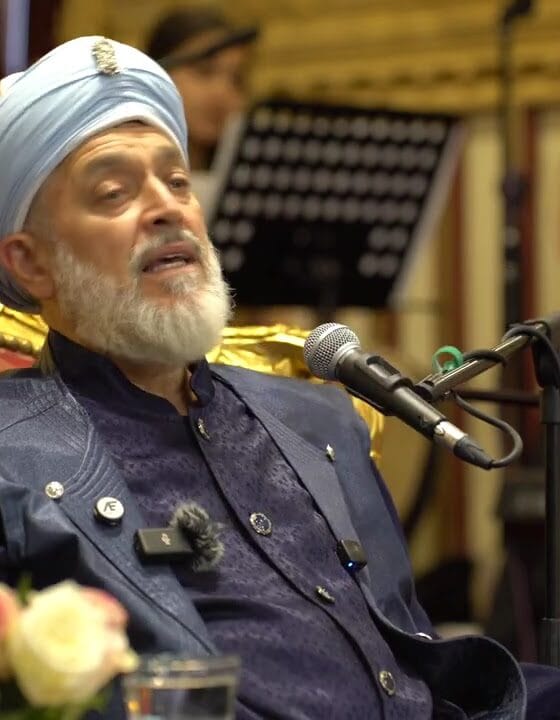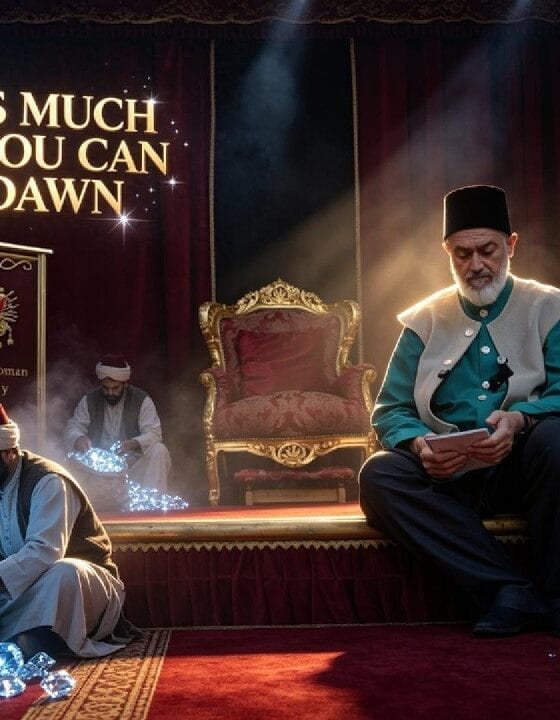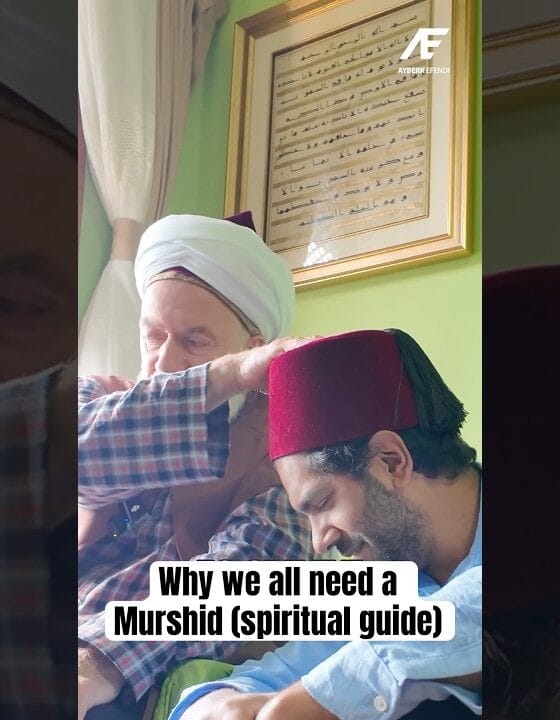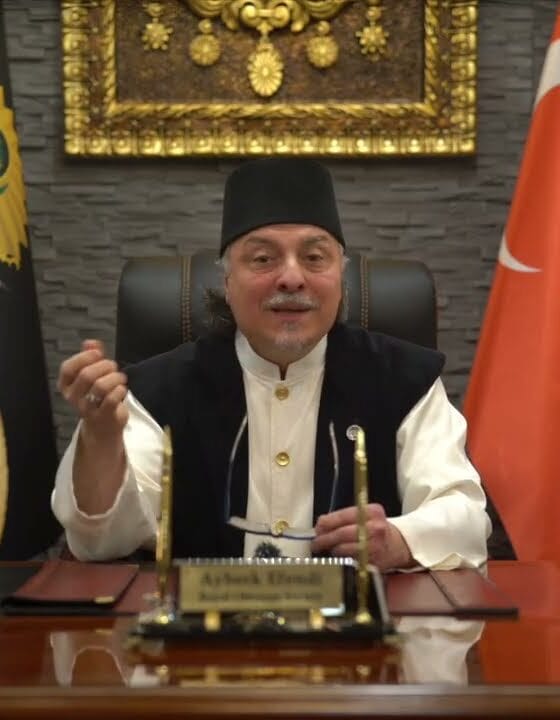
In this recent Khutba delivered by Ayberk Efendi on April 26th, we were invited to contemplate a truth that underlies every human existence: each soul carries a debt—one that is easily overlooked amid the bustle of daily life. The teaching moves from the universal indebtedness of all creation, through the specific obligations we owe to the Divine and to those who illuminate our path, and finally to the practical implications for how we steward the trust (emanet) entrusted to us.
The Universal Nature of Spiritual Debt
Ayberk Efendi reminded us that no one walks this world free of obligation. Whether in this life or the next, every person is a kul—a servant who has entered into countless rights and responsibilities, often without conscious awareness.
- Material debts follow the rules of commerce: contracts, interest, legal frameworks. These are visible and regulated.
- Spiritual debts, however, arise whenever we benefit from another’s knowledge or kindness. When a teacher imparts even a single letter, Ayberk Efendi quoted Imam Ali’s saying: “I would be a slave for forty years to the one who taught me a single letter.” The debt is not limited to extensive curricula; it exists for every morsel of insight that expands our horizon or shifts our destiny.
Thus, we owe gratitude not only to Allah, Who created us from nothingness and sustains every breath, but also to the Prophetic tradition, the saints (awliya), and the living teachers who guide us. In the final judgment, all these debts will be presented for accounting.
Emanet: The Trust We Carry
The sermon then shifted to a familiar Sufi concept—emanet, the trust that Allah bestows upon each soul. This trust is not limited to the intangible spirit; it includes our bodies, organs, health, and even the external blessings we enjoy (wealth, influence). Everything is a loan meant for good service:
- Our physical body—bones, muscles, liver, lungs—is entrusted to us so that we may maintain health and use it in worship. Neglect or abuse, such as smoking, violates this trust and incurs divine accountability.
- The knowledge and practices of the Tariqa (the path) are also emanet: the zikr rituals, teachings, and ethical guidance handed down by Sheikh Efendi and his predecessors must be preserved and transmitted with reverence.
Ayberk Efendi warned against piling on material burdens—multiple houses, cars, or luxuries—that strain this trust. When we overload ourselves, we risk failing in our primary obligations to Allah and the community. The real measure of a servant lies not in worldly accumulation but in how faithfully they honor each aspect of their emanet.
Living the Awareness
The Khutba concluded with a heartfelt plea: let us recognize that every breath we take is a loan from the Divine, and every word we hear may be a seed of debt. By acknowledging these debts, we cultivate humility, gratitude, and responsibility. We are called to:
- Reflect regularly on the sources of our knowledge and express sincere thanks, remembering Imam Ali’s admonition.
- Guard our bodies, abstaining from harmful habits that tarnish the trust placed in us.
- Share the inheritance—the spiritual practices and teachings—with sincerity, ensuring the chain of emanet remains unbroken.
In doing so, we align ourselves with the prophetic model of integrity and become worthy stewards of what has been entrusted to us.
If you feel moved by this reminder and wish to deepen your practice under guidance, consider joining our live meetings, where seekers can take Bayah and walk the path together. For further study of the concepts discussed—such as the significance of emanet and the teachings of the Sufi masters—we invite you to explore our online library.
May we all honor our debts, cherish our trust, and move forward in light and service.