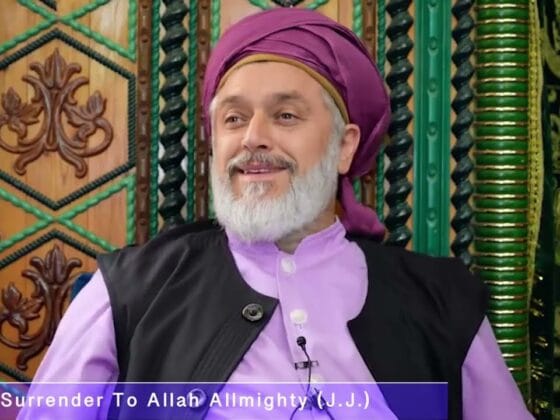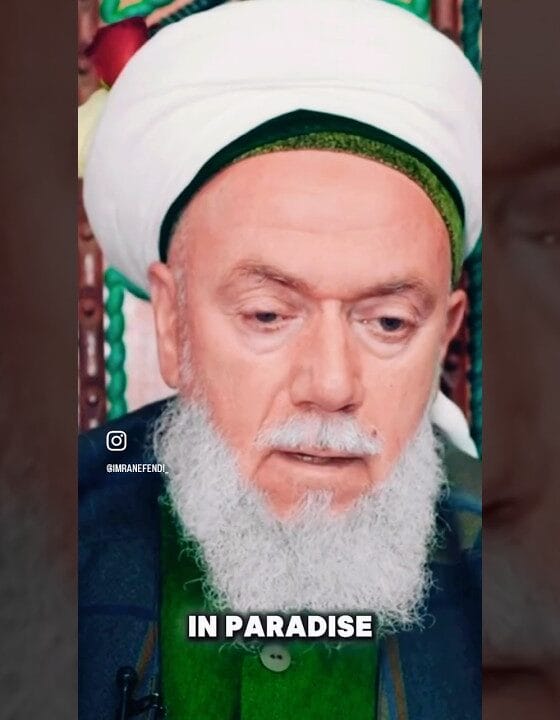
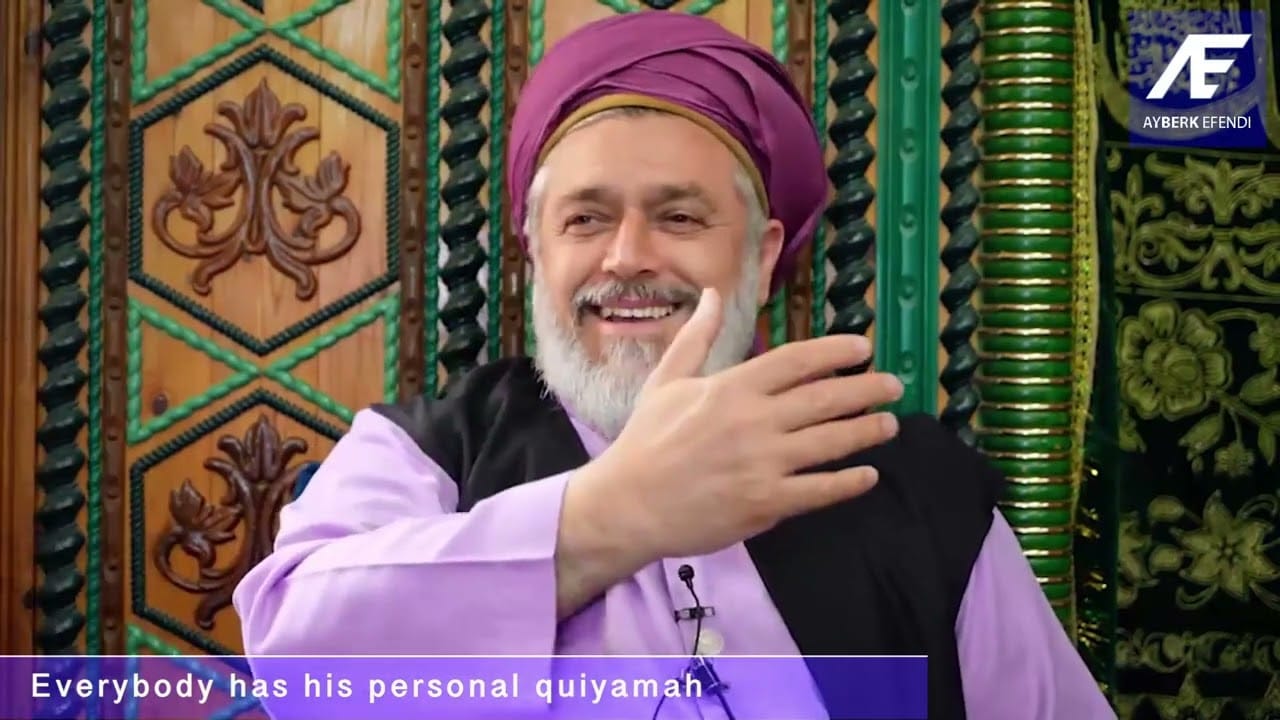
In this brief yet profound sohbet, Sheikh Bahauddin reminds us that none of us possesses unlimited time. Whether we hold power over the world or live ordinary lives, mortality is inevitable, and each soul will be asked what it contributed to humanity—good deeds or harmful actions.
He emphasizes that personal accountability is singular: when one experiences a heart attack, suffering, or rejection, those around us do not automatically share that pain. The responsibility for feeling empathy belongs to the individual who chooses to open their heart. “You feel your own trial; I feel mine,” he says, inviting each of us to honor our own inner journey without imposing it on others.
A recurring theme is the importance of praying for those whose names we may never hear. Many wonder why the community performs the “Ghaib Janazah” prayer after Maghrib. Sheikh Bahauddin explains that countless souls pass away unnoticed, and the prayers we offer become a source of mercy for them—akin to the angels who assist in their transition. He urges us not to assume that everyone is connected through technology; countless people remain isolated, unaware of our support.
The sohbet closes with a heartfelt supplication: “May Allah grant us a good ending.” A favorable conclusion to life is vital, especially for those who lack a congregation or a place to seek refuge. By remembering the unseen and maintaining sincere prayers, we fulfill a collective responsibility that transcends personal boundaries.
For those inspired to deepen their practice and join a community committed to these teachings, consider becoming a member of the Royal Ottoman Society. You can also explore live meetings where seekers gather for Bayah (spiritual allegiance) and shared zikr.
- Membership: https://royalottomans.com/membership
- Live meetings: https://royalottomans.com/live-meetings