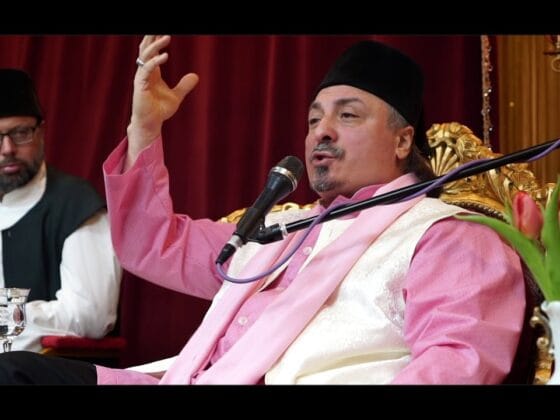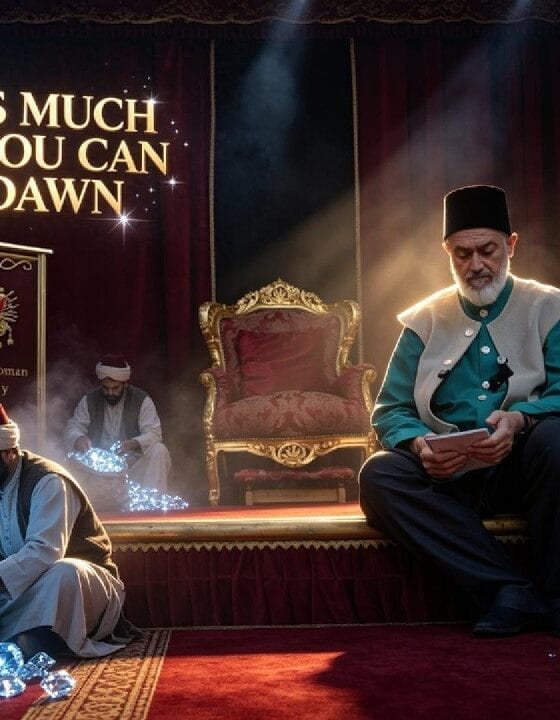

In this teaching, the gathering is invited to reflect on a truth that lies deep within every heart: the only source of lasting blessing is Allah and His Messenger. When anything—wealth, status, or even admiration from others—is placed beside Him in our inner sanctuary, we unintentionally turn those creations into idols. The warning is clear: Do not divide your heart from the One who created it; do not set any other object upon its throne.
The discussion then turns to the everyday chatter that surrounds us. Conversations are often dominated by talks of money, property, and worldly success. People proudly display their possessions as if they were measures of worth. Yet those who cling to such “hidden statues” build houses destined to crumble. We entered this world naked; we will leave it in the same state. On the Day of Judgment each soul will be asked, “Whose is the wealth today?” The answer reveals whether the heart was ever truly surrendered.
A profound distinction is drawn between two kinds of hardship: punishment and test. When a trial arrives as a genuine test, Allah observes the servant’s patience, obedience, and surrender. In that moment the difficulty becomes a ladder, raising the believer to higher stations. Conversely, when the heart already bears the weight of pride and attachment to worldly goods, suffering serves as a warning—a consequence of having erected false idols before the Divine.
To free ourselves from these concealed statues, we are encouraged to continuously renew our intention. Every desire, achievement, and moment of gratitude should be directed solely toward Allah and His Prophet. By doing so we dismantle the silent dictators that govern thoughts and actions, allowing humility and trust to flourish on the path of true spirituality.
May each of us examine the quiet corners of our hearts, remove any hidden idols, and return wholly to the One who alone sustains us.
For deeper exploration of this teaching and fellowship with fellow seekers, consider joining our live gatherings or becoming a member of the Royal Ottoman Society — both avenues support ongoing practice and community connection.