Oct26o4HAnnam2P – Lessons from the Khandaq and Early Islamic Generosity
In this reflective discourse, we explore a vivid episode from the early days of Islam that illustrates both the material hardships endured by the Prophet ﷺ’s community and the spiritual triumphs that followed. The narrative centers on the desperate period when the Quraysh laid siege to Medina, prompting the Prophet ﷺ to order the digging of a defensive trench—the Khandaq—to protect the city.
The Siege and the Hunger of the Sahabah
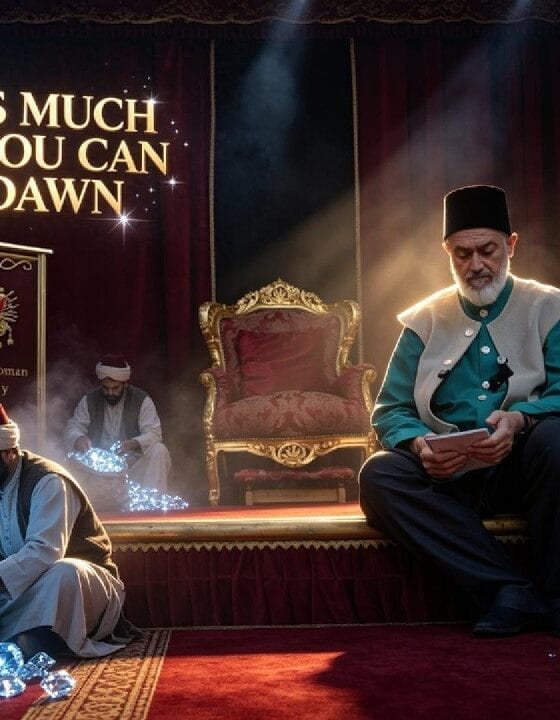
During the night‑long labor of excavating the Khandaq, many companions found themselves without food or rest. Even the Prophet ﷺ himself felt the strain; according to the account, Ali ibn Abi Talib tied a stone to his own stomach to simulate satiety, while the Prophet placed two stones on his abdomen as a sign of shared suffering.
A Poor Woman’s Generous Act
Amid this scarcity, a modest household resolved to feed the fasting and labor‑tired believers. The wife of a companion prepared barley bread and slaughtered a goat, despite limited means. She laid out the provisions in a small bathhouse, inviting the Prophet ﷺ and his companions. Remarkably, the food was blessed with abundance: “the barakah of the food fed everyone, and surplus portions were sent to the homes of other Sahabah who also lacked sustenance.” This episode underscores the Islamic principle that generosity, even when resources are scarce, multiplies divine blessings.
Spiritual Tests: The Devil’s Perspective
The talk then shifts to a theological illustration in which the devil enumerates fifteen categories of believers—those who pray, fast, give zakat, perform Hajj, and so forth—as his adversaries. Each act of worship is described metaphorically as inflicting pain upon the devil (e.g., “when a believer gives zakat, I am scorched like an egg in a pan”). The narrative also highlights the devil’s lament that Allah should never again place him under Ali’s protection.
Moral Reflections on Modesty and Community
Further admonitions address the conduct of women within the Muslim community. The speaker emphasizes that when women pray or observe modest dress, the devil experiences severe discomfort, reinforcing the Islamic view that public piety and modesty shield both individual believers and the collective Ummah from spiritual harm.
Through this layered storytelling, we discern a timeless lesson: material hardship does not diminish the capacity for charitable action, and sincere devotion weakens the forces of evil. The early Muslims’ perseverance in digging the Khandaq, combined with the selfless generosity of a humble household, exemplifies the resilient spirit that later Ottoman scholars celebrated and sought to emulate.
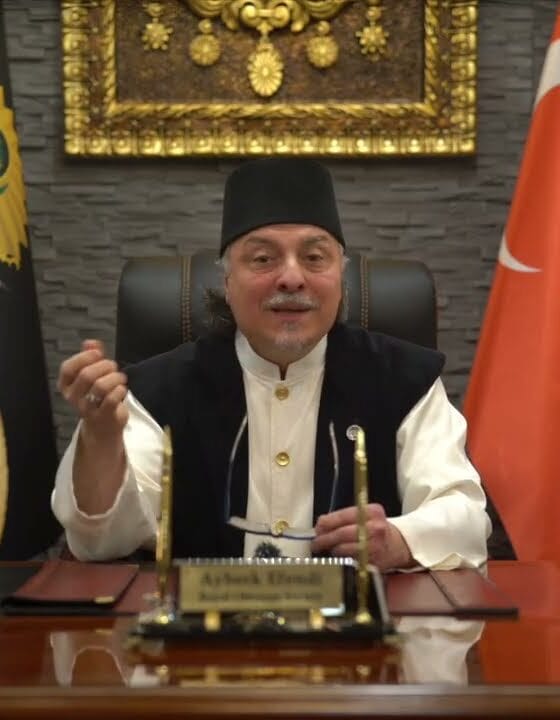
The episode continues to inspire contemporary believers to uphold charity (zakat), maintain communal solidarity during trials, and protect moral values such as modesty—principles that remain central to the heritage of the Royal Ottoman Society.