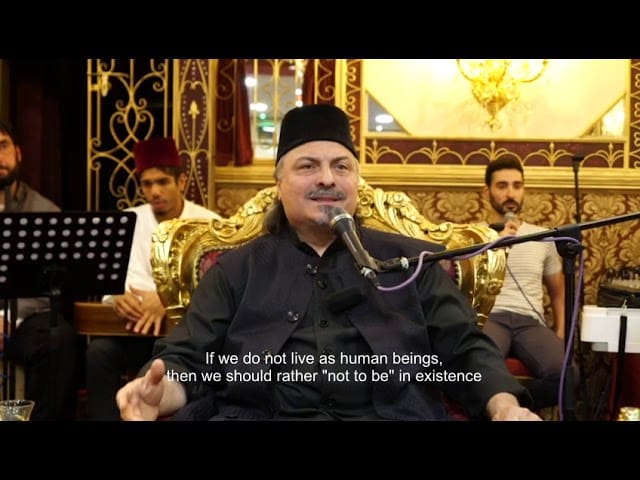
This teaching invites us to pause and ask why we exist at all. The Almighty has created each of us with honour (şeref) woven into our being. Yet we must ask ourselves whether that honour is still in our hands or has slipped away unnoticed. Are we here merely to fill our stomachs, chase fleeting pleasures and wait for death? Or are we called to fulfil divine responsibilities and leave behind deeds that benefit others and earn their prayers after we are gone?
The talk contrasts two ways of living. One is transient: satisfying appetite, seeking comfort and departing without having contributed anything lasting. The other is purposeful: taking up our ilahi görevler, the divine tasks entrusted to us, and leaving works that reach others and earn the gratitude and supplications of those we have helped.
If we neglect these human values, the teaching warns, we become like a word (“zayn”) stripped of merit: a presence that brings no benefit to ourselves, to those around us or to the world. Such a life may cause no harm, but it fails the purpose for which we were created. Shakespeare’s famous line is invoked to show how hollow praise such as “İyi ki varsın” (“It’s good that you exist”) becomes when it is detached from genuine usefulness.
We are urged to take an honest inventory of our lives: Is the honour given to us still in our hands? Do we live only for our own gratification, or do we strive for a higher purpose that serves others? Every action can be measured by whether it brings benefit (faydalı) or becomes a burden and harm (zarar).
Facing these questions aligns us with the true spirit of the Sufi path: turning the cravings of the ego into selfless service, and so honouring the Creator’s intention for us.
If this reflection resonates with you, we invite you to deepen your journey with us. Learn more on our membership page or explore spiritual resources in our library. May the honour bestowed upon us guide every step of our path.