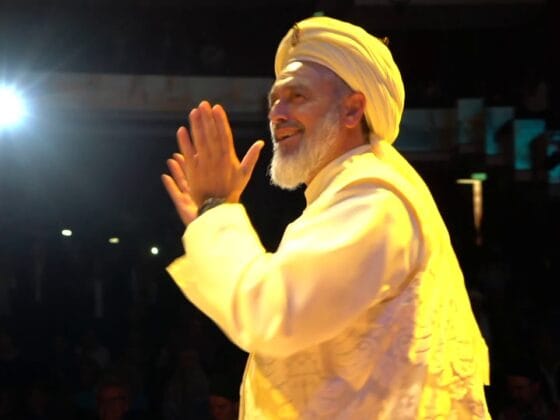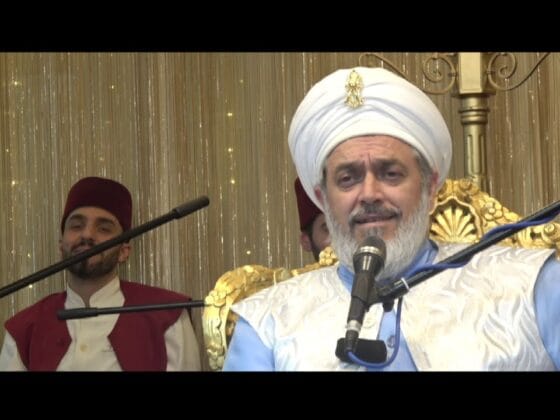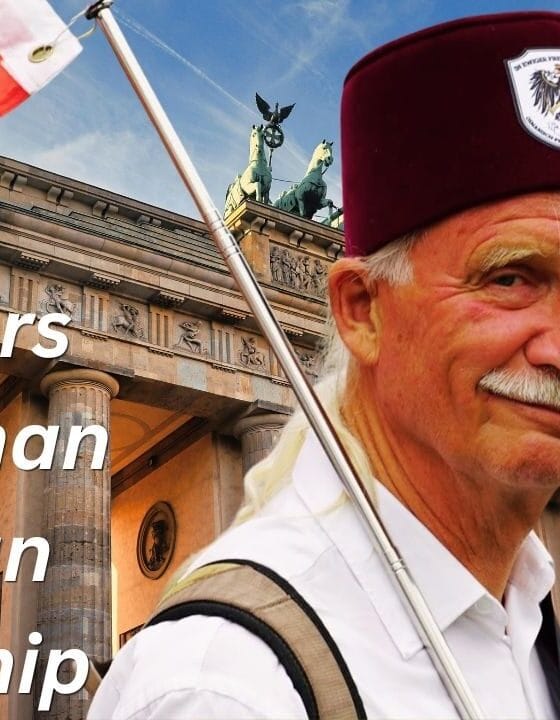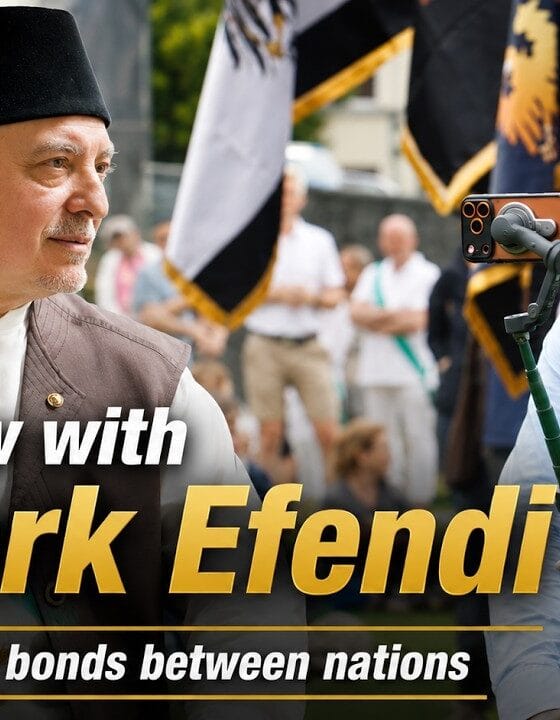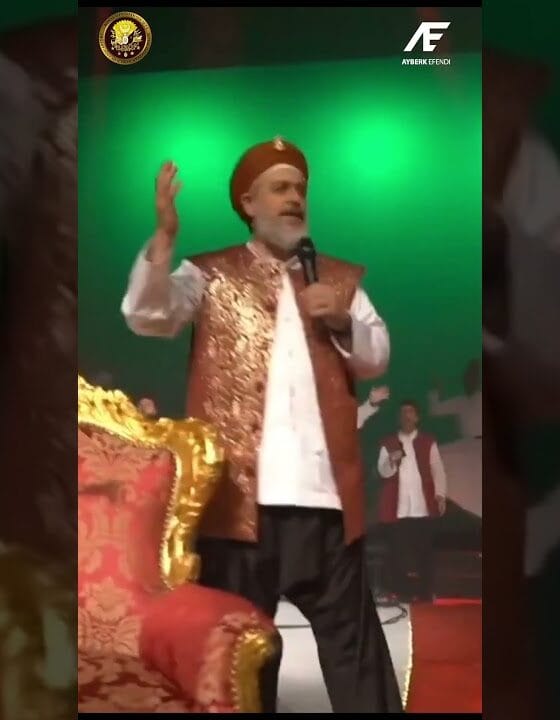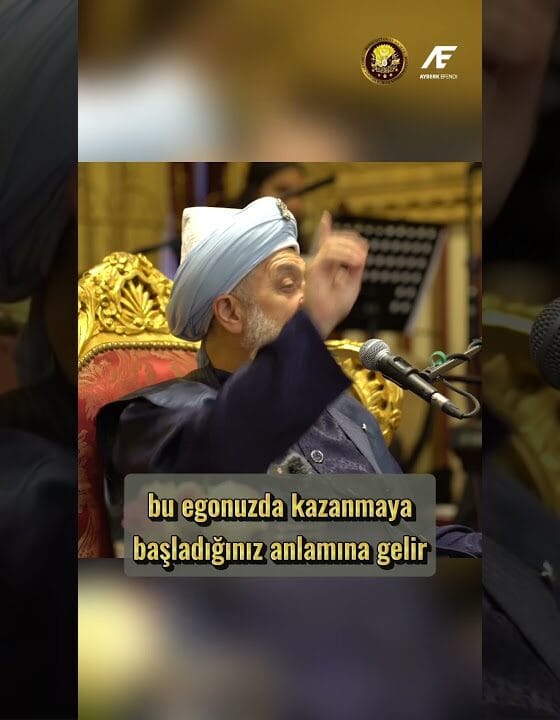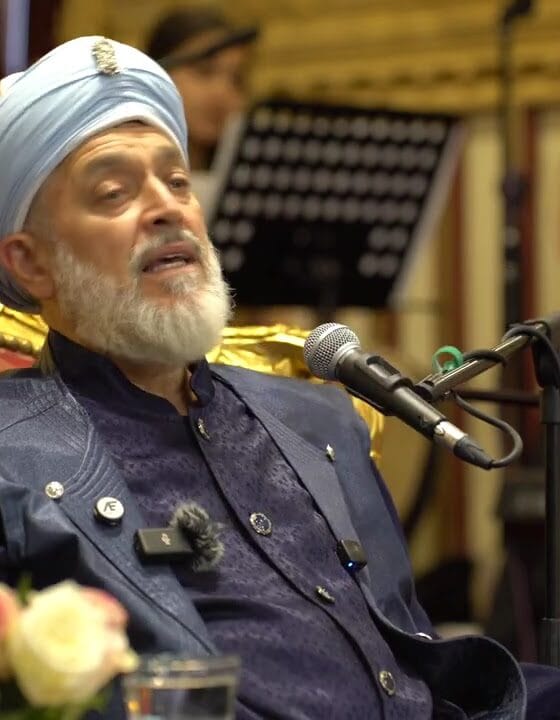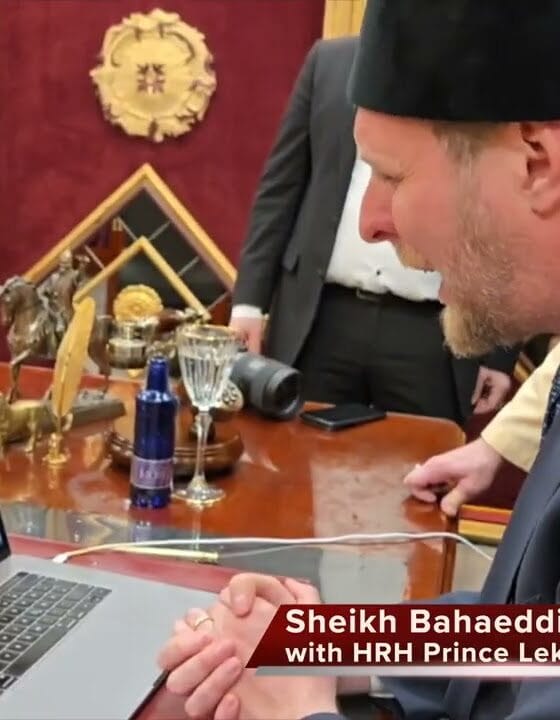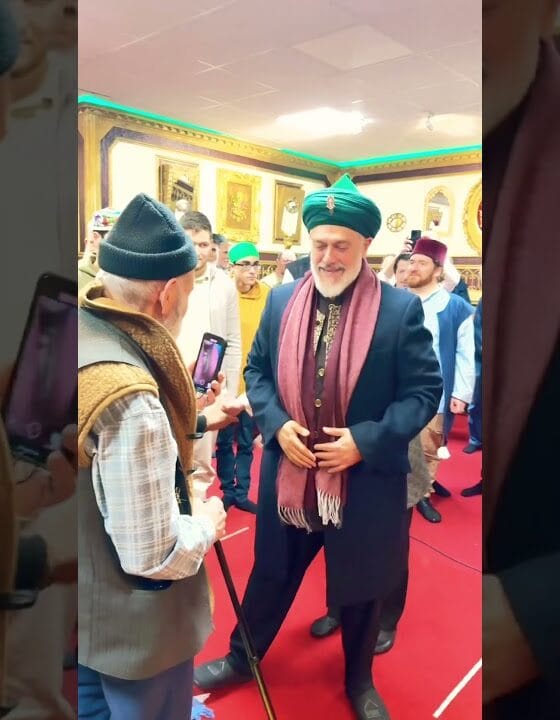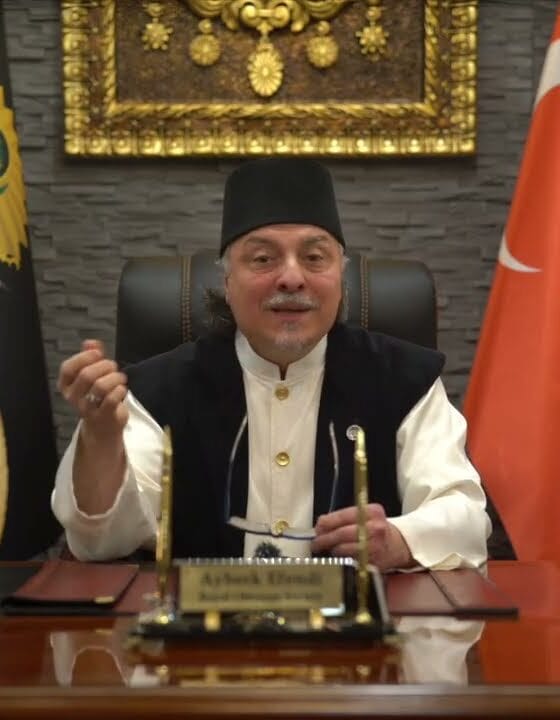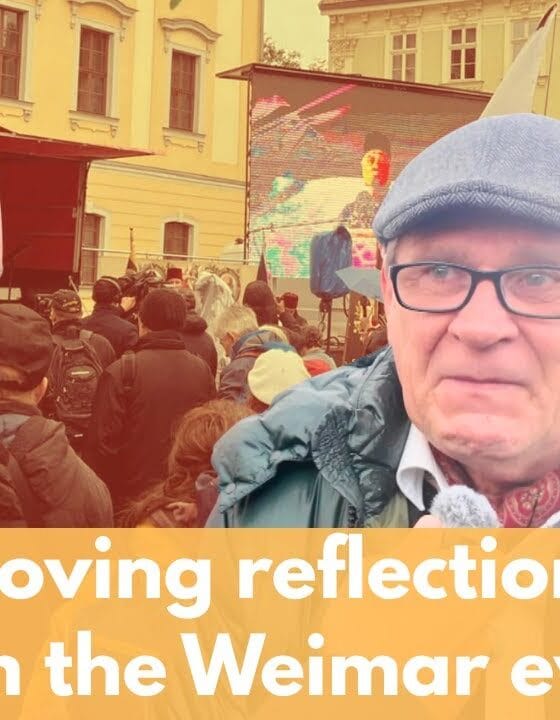
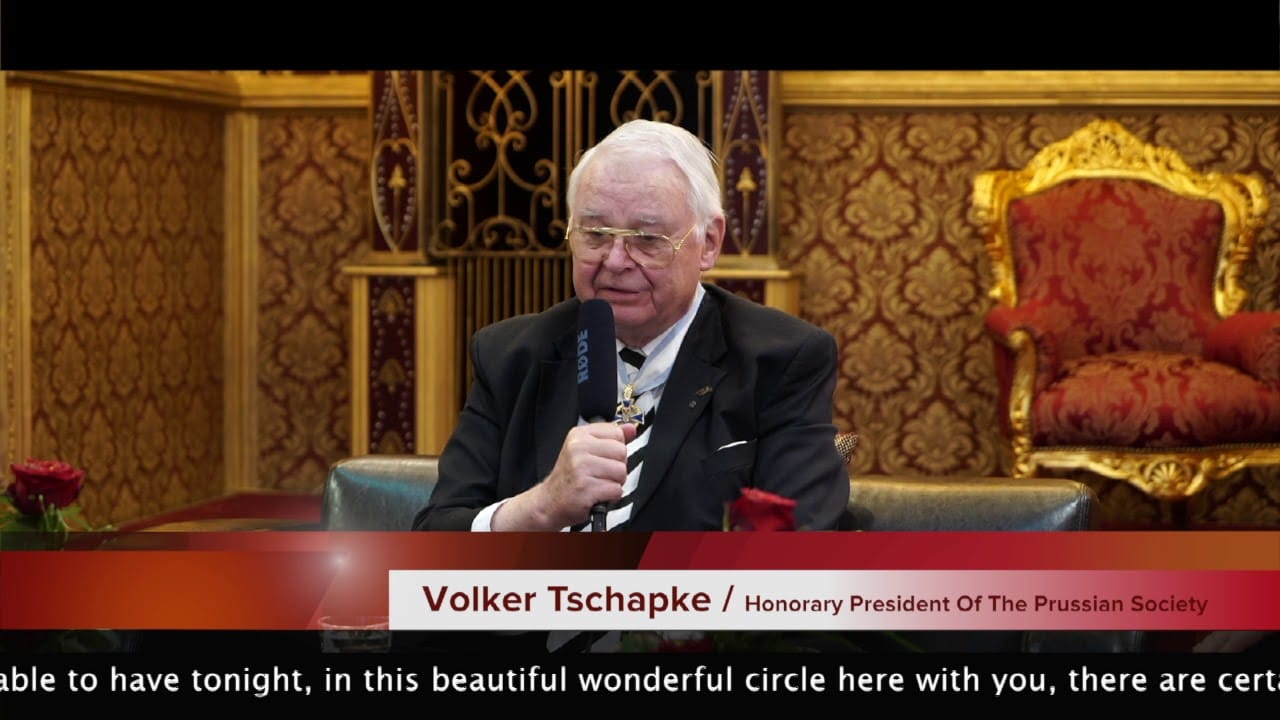
On a pleasant evening in Ludwigshafen, the Royal Ottoman Society welcomed Volker Tschapke, honorary chairman of the Prussian Society in Berlin and Brandenburg. After Jalaluddin Riebler’s warm greeting, we opened a heartfelt conversation about how everyday gestures, shared history, and mutual respect can deepen the bond between Germany and Turkey.
A Simple Path to Stronger Ties
Volker Tschapke reminded us that improving German‑Turkish relations does not require grand diplomatic projects. He emphasized that “we need only avoid letting the things that irritate us dominate our interactions.” Small, sincere acts of neighbourliness—whether in a market stall, a café, or a street conversation—are what truly sustain friendship.
The World Cup Flag Story
A vivid picture emerged from the recent football World Cup. While Turkey remained in the tournament, many shops and cafés in Dortmund displayed Turkish flags alongside German ones. As soon as the Turkish team left the competition, those same businesses rolled up the Turkish banners overnight and raised the German national flag instead. Volker Tschapke described this gesture as “a beautiful proof of friendship,” showing how simple symbols can speak louder than any political statement.
The Özil Debate in Perspective
When asked about the media attention surrounding footballer Mesut Özil, Volker Tschapke called the whole debate “completely unnecessary and overblown.” He criticised the handling of the matter by the German Football Association and invoked a story about Frederick the Great, who once instructed his courtiers to lower a newspaper so that everyone could read it. The lesson, he suggested, is to seek clarity and inclusion rather than forcing individuals into binary choices.
Respecting Sovereignty and an Independent Course
The conversation then turned to Turkey’s increasingly autonomous cultural, economic, and political course. Volker Tschapke reaffirmed the principle of non‑interference enshrined in the United Nations Charter, stating that the Turkish people have the right to decide their own future without external pressure—from any nation. He likened this resilience to Prussia’s recovery after defeat by Napoleon, when internal reforms sparked a new era of strength.
Reflections on History and Identity
Finally, we reflected on how both societies recall their pasts. While Turkey revisits its Ottoman legacy, Germany has largely moved beyond monarchical symbols. Volker Tschapke observed that contemporary German discourse is shaped by “political correctness” and post‑Cold‑War narratives, contrasting with the more open historical debates taking place in Turkey.
We are grateful to Volker Tschapke for sharing his insights and to all who participated in this heartfelt dialogue. If you feel inspired to deepen your connection with our community and support the ongoing work of the Royal Ottoman Society, please visit our Community page. Together we can continue nurturing the spirit of German‑Turkish friendship that thrives in everyday actions and shared histories.