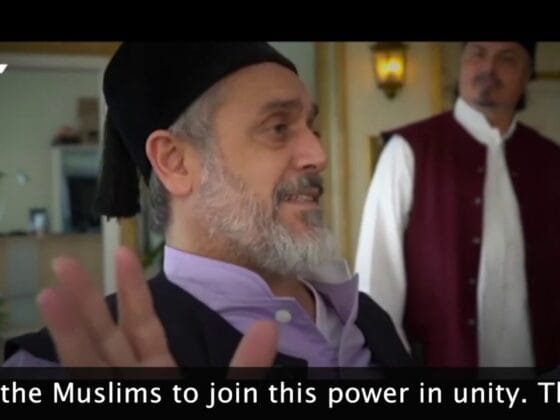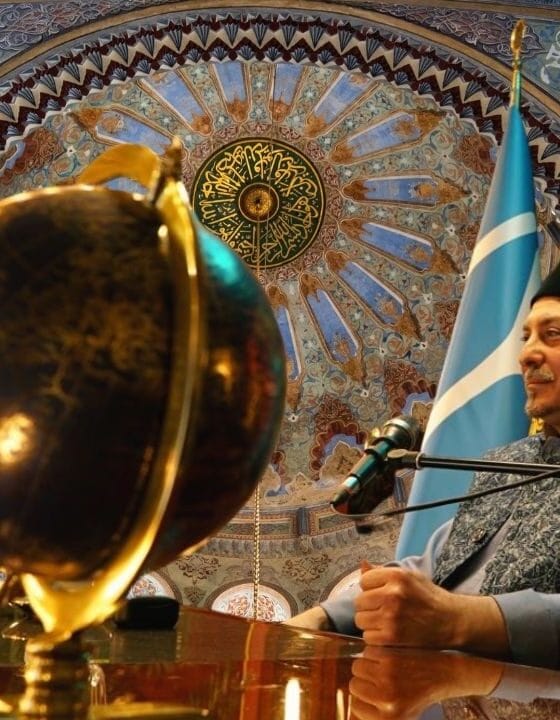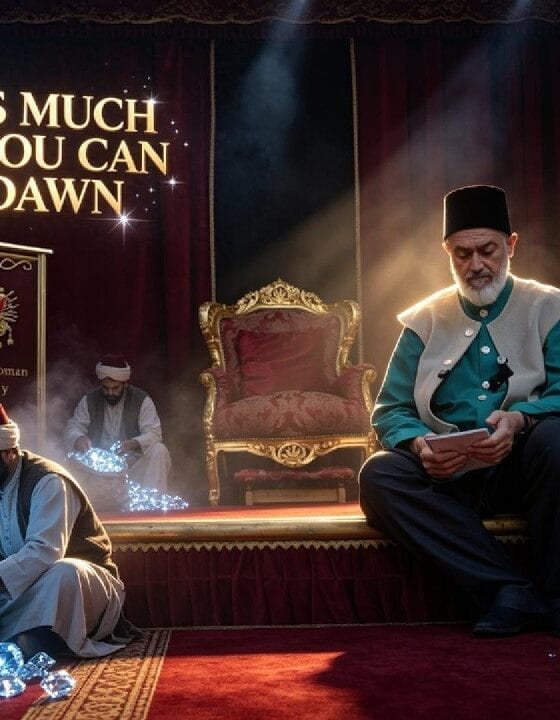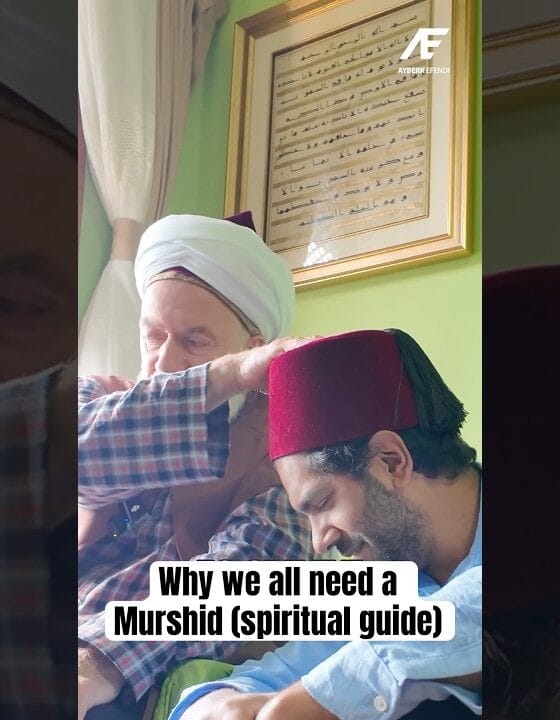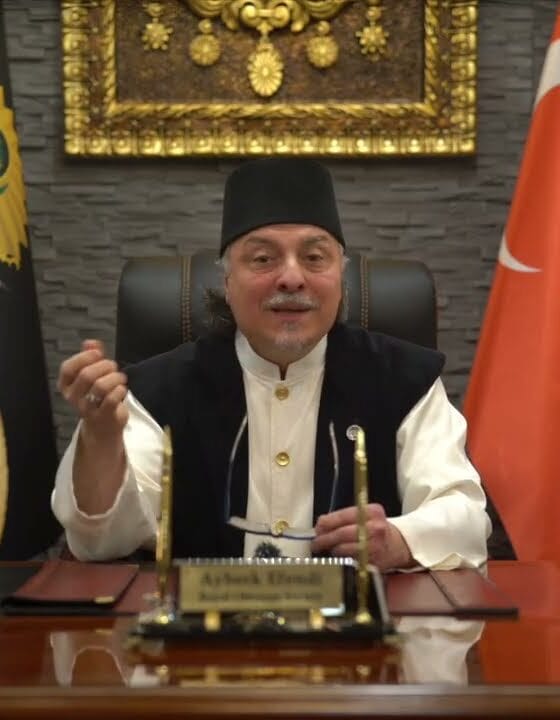
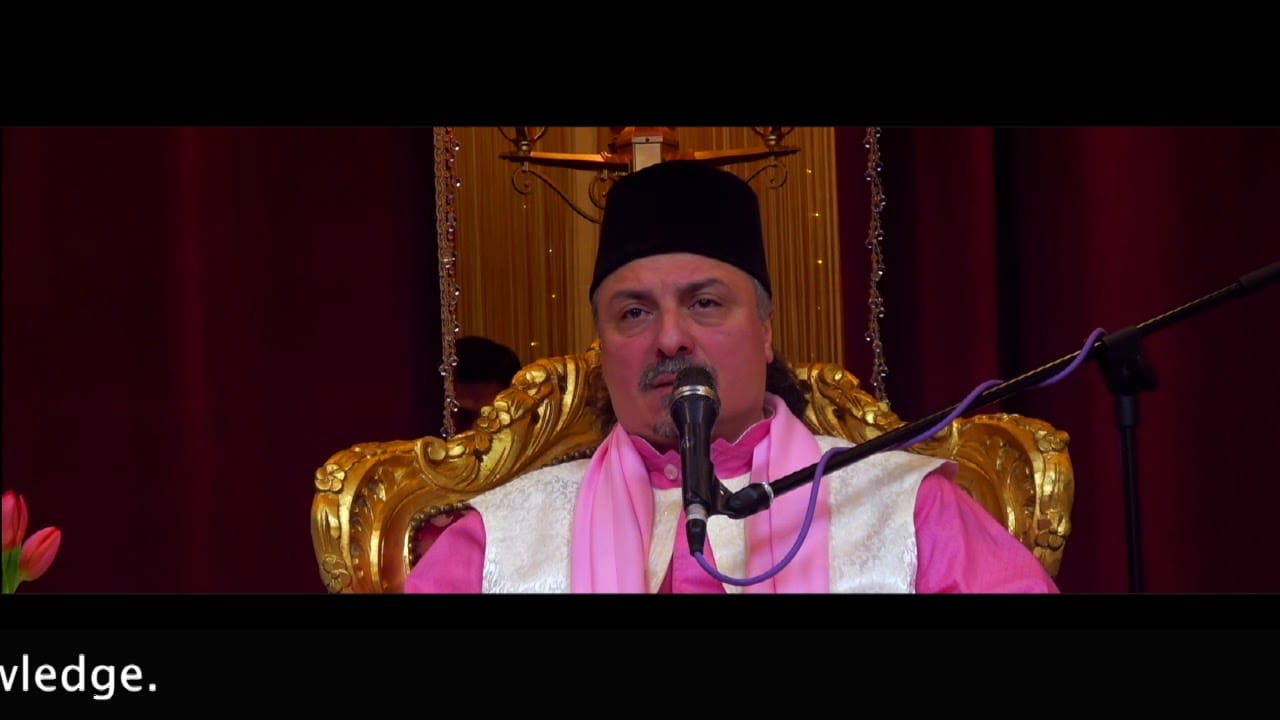
In this heartfelt sohbet, Ayberk Efendi reminds us that every word we utter and every role we assume carries a divine responsibility. He opens with praise for the All‑Merciful Creator who brings everything into existence from nothingness, emphasizing that nothing exists outside of God’s perfect knowledge. From this foundation he builds a practical guide for living in alignment with the true purpose of our position—whether we represent truth, mercy, or, unintentionally, forces of deception.
The Weight of Representation
Ayberk Efendi explains that we are never merely “people” acting in isolation; we are representatives of whatever principle we embody. If one stands for righteousness, justice, or compassion, every action must reflect those values fully. Conversely, if someone unwittingly becomes a mouthpiece for falsehood or harm, the burden of their words and deeds grows heavier with each misstep. The Sheikh likens this to an actor who, even when cast as the villain, strives to be the best villain—earning awards not because the role is noble but because the performance reaches its highest possible standard.
From this analogy arises a simple yet profound directive: be “Number One” in whatever you represent. There is no room for mediocrity when the stakes are spiritual. If we are called to convey mercy, we must embody mercy at the highest level; if we inadvertently serve negativity, we become its foremost exemplar—a situation each sincere seeker should recognize and avoid.
Discipline on the Spiritual Path
The talk also highlights the educational character of the tariqa. Just as a teacher knows each student’s strengths, weaknesses, and hidden thoughts, the Sheikh observes every disciple’s inner state. This awareness obliges the master to guide each seeker according to his true capacity, awarding “grades” that reflect both effort and sincerity. Historically, Ottoman Sufi orders treated their schools with strict discipline, akin to modern classrooms yet infused with sacred purpose.
Today many communities have drifted toward a more casual approach: occasional zikr, occasional sohbet, and then back to daily life. While flexibility can be welcoming, it risks diluting the profound educational mission of the tariqa. Ayberk Efendi urges us to keep the promise made at initiation—to walk, listen, see, and speak in the name of the Divine with full awareness. Only then does the hidden strength of God’s “eye” and “ear” manifest through us, allowing the master’s guidance to bear fruit.
Returning to Commitment
The sohbet concludes with an invitation to renew our commitment. Modern distractions can lull a seeker into complacency, but true gratitude blossoms when we strengthen our inner resolve and deepen our practice of zikr, prayer, and service. By embodying the highest representation of truth and mercy in every word and deed, we honor both the legacy of the Ottoman Sufi tradition and the living presence of the Divine within us.
We invite you to explore our live gatherings, where seekers renew their promise together and support one another on the path: Live meetings. May we all strive to be “Number One” in the service of Allah’s boundless mercy.