
In this teaching, members of the Royal Ottoman Society explored one of the most delicate topics in contemporary Islamic discourse—gizli şirk, or hidden shirk. While the term “shirk” is commonly understood as outright association of partners with Allah, the discussion illuminated how polytheistic tendencies can appear in everyday habits, cultural practices, and even well‑intentioned reverence that many Muslims consider harmless.
What Shirk Means
Shirk, at its core, is the act of attributing divine power or worship to anything besides Allah. The classic Qur’anic example is the idol worship of the pre‑Islamic mushrikûn. However, the speakers emphasized that shirk is ultimately an issue of intention: when a believer places genuine reliance, hope, or love on something other than the Creator, the act becomes shirk, even if no physical statue is involved.
The sohbet identified several modern expressions that often escape scrutiny:
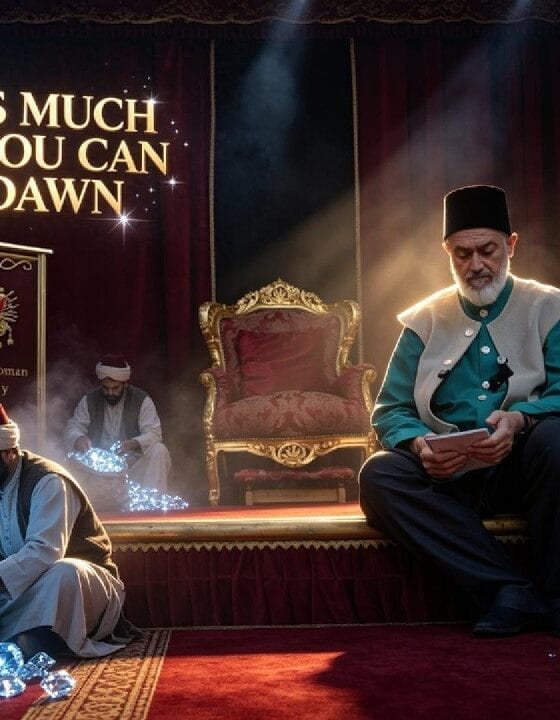
- Material attachment – An excessive love for wealth, status, or worldly possessions can become a secret partnership with the world. When such desire directs the heart away from Allah’s pleasure, it constitutes hidden shirk.
- “Kutçuluk” (vain devotion) – The tendency to idolise anything that provides comfort or prestige, whether it is a car, a career, or a social image, was described as a contemporary form of kutçuluk, which historically began with the story of Idris Aleyhisselam.
- Rituals not rooted in Sharia – Practices such as tying cloth (çaput) to trees, lighting candles at shrines, making vows (adak) at tombs, or seeking healing exclusively through these acts were highlighted as innovations that can slip into shirk when believers expect divine benefit from them.
- Veneration of relics and holy objects – Touching, kissing, or placing fragments of the Kaʿba’s kiswah, the Black Stone (Hacer‑ül Esved), or other sacred items is permissible when done with respect and remembrance of Allah. The danger arises only when the object itself is believed to possess independent power.
Bid‘ah Versus Shirk: The Fine Line
The speakers distinguished bid‘ah (innovation) from shirk by focusing on intention. An innovation that does not contradict the Sharia may be neutral or even beneficial, but it becomes shirk the moment a believer treats it as an autonomous source of divine aid. Some groups label every new practice “shirk,” while others overlook subtle personal attachments; the discussion urged a balanced approach rooted in sincere intent.
Practical Guidance for the Heart
- Examine Intentions – Before engaging in any ritual or seeking intercession through objects, ask whether the hope ultimately rests with Allah alone.
- Seek Knowledge – Study prophetic traditions (ḥadīth) and scholarly explanations that clarify permissible veneration versus prohibited worship.
- Cultivate Direct Reliance on Allah – Strengthen personal prayer (ṣalāh), dhikr, and sincere supplication so that any external aid is understood merely as a means, not the source of divine benefit.
By reflecting on these points, we can honour cultural expressions—such as respecting the Kaʿba’s cloth or visiting sacred sites—while remaining firmly within the boundaries of tawḥīd (the oneness of God).
For those who wish to explore this topic further, our digital library offers a collection of classical and contemporary works on monotheism, bid‘ah, and spiritual ethics.