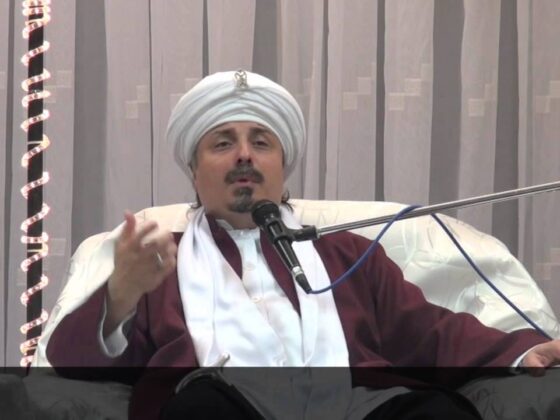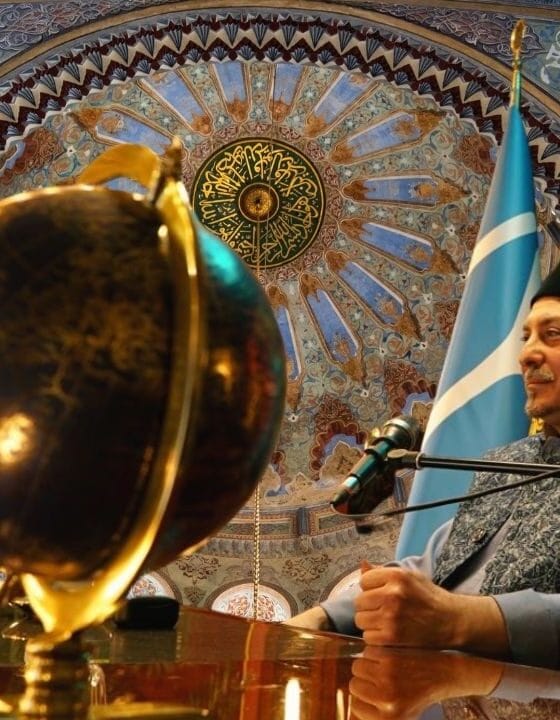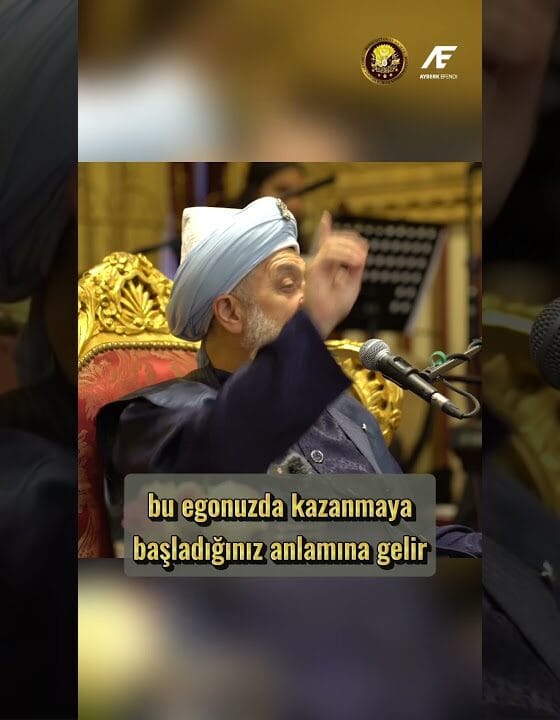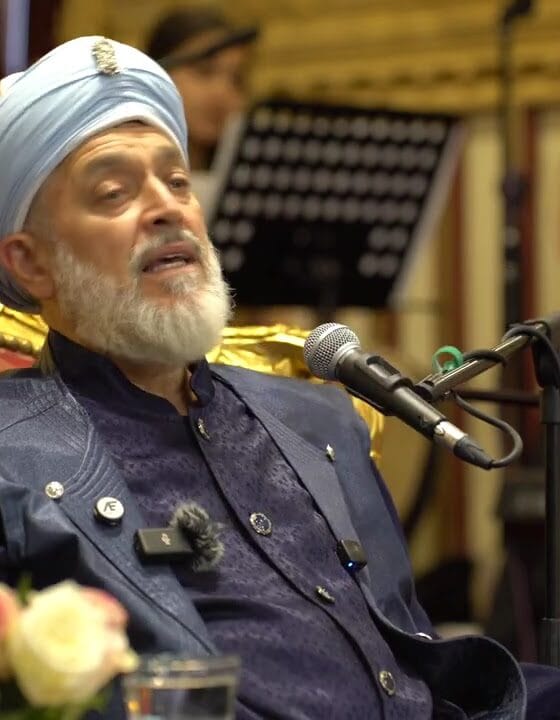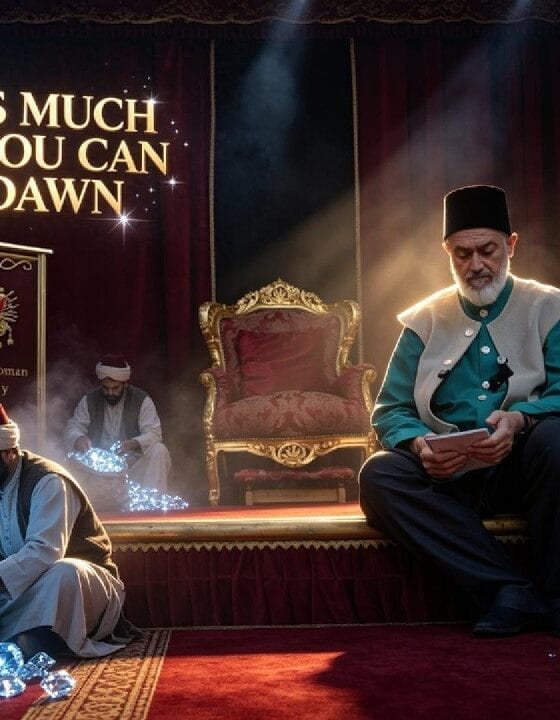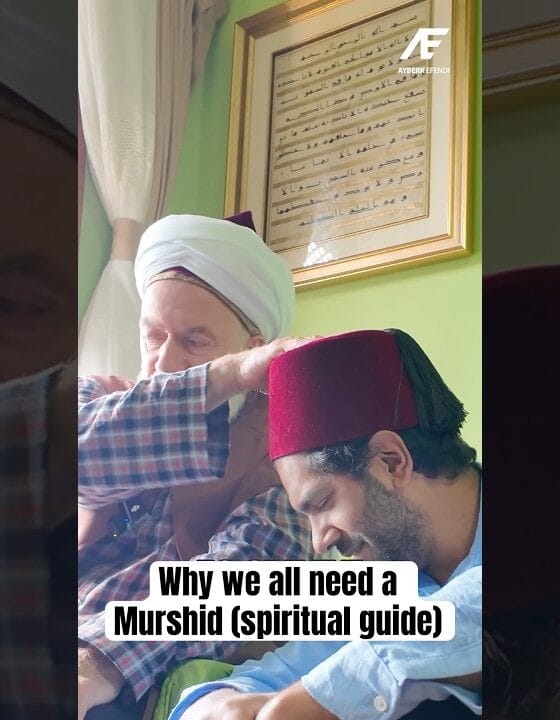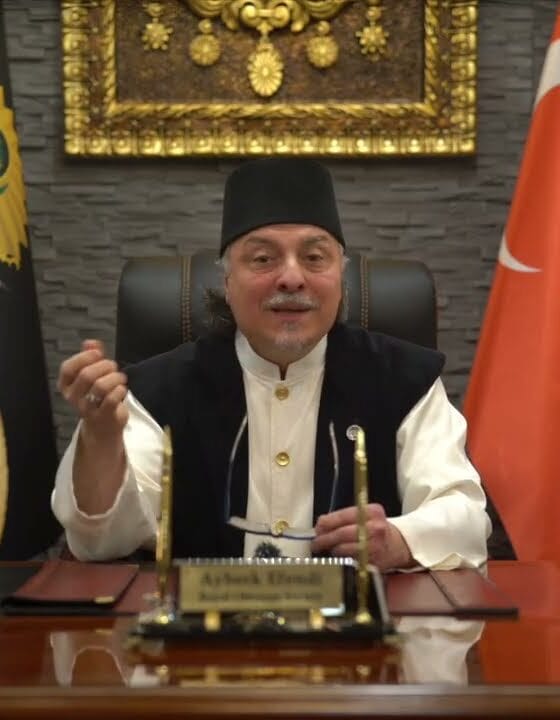
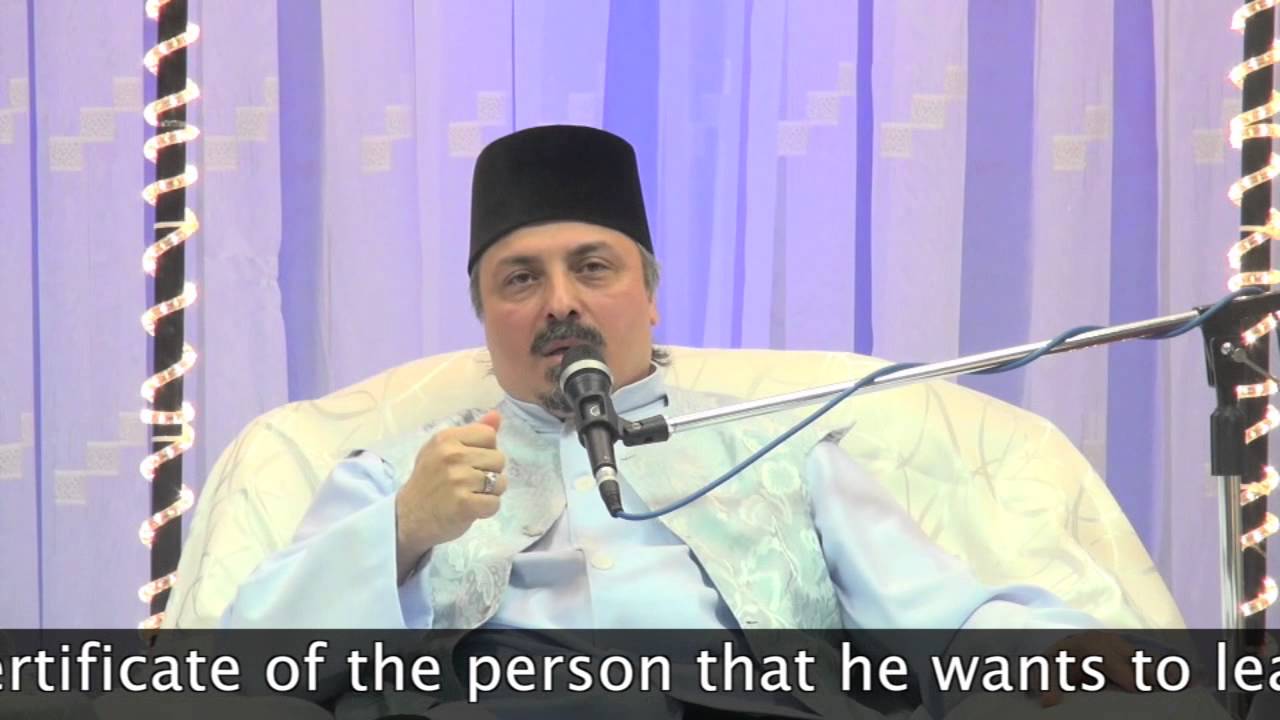
In this heartfelt teaching, Ayberk Efendi reminds us that a clean “sicil” – the personal record of our deeds and character – is examined everywhere we seek trust or responsibility. Whether applying for a job, enrolling in an educational program, or being considered for a spiritual leadership role, the examiner looks beyond outward appearances such as age, height, or status; they scrutinize the inner ledger that records honesty, reliability, and moral conduct.
The universal demand for a clean record
Ayberk Efendi likens the sicil to a school report card that follows a person from early childhood through adulthood. Teachers note each absence, illness, conflict, or misbehavior; parents are called in when patterns emerge. Those same observations translate into the professional and spiritual realms:
- Employers ask for references that reveal punctuality, integrity, and teamwork.
- Academic institutions review attendance, grades, and conduct before admitting a student.
- Spiritual communities assess whether a prospective leader has cultivated humility, honesty, and restraint.
If a person’s “card” shows repeated truancy, dishonesty, or aggression, the gatekeepers may reject the application outright or at least proceed with caution. Conversely, a record that reflects consistent effort, repentance, and improvement opens doors.
The role of the sheikh
Ayberk Efendi emphasizes that a true sheikh is not a simple observer like a shopkeeper or a bureaucrat. He possesses “the eyes of the heart,” seeing beyond superficial actions to the hidden motives and spiritual health of each seeker. While a merchant may miss the dark stains on a record, a sheikh discerns them with divine insight, guided by the perspective of Allah and the Prophet (peace be upon them).
Therefore, trusting a leader who has neglected his own sicil is perilous. The sheikh’s responsibility includes:
- Identifying hidden blemishes – recognizing lies, betrayals, or selfishness that may not be evident to others.
- Guiding remediation – offering counsel and spiritual practices that cleanse the record, such as sincere repentance (tawbah), consistent zikr, and ethical conduct.
- Ensuring accountability – reminding us that a life built on falsehood or betrayal will inevitably collapse, just as a building constructed on sand cannot stand.
A call to personal vigilance
The teaching concludes with a clear invitation: each of us must regularly examine our own sicil, acknowledge the “black spots,” and actively work to remove them. This process is not merely administrative; it is a spiritual discipline that safeguards our relationship with God and preserves the trust of the community.
By confronting our shortcomings—whether they are lies, theft, slander, or negligence—we align ourselves with the prophetic principle that “the deeds are judged by their intentions.” A clean record becomes both a testament to personal growth and a prerequisite for any role of responsibility within the Royal Ottoman Society or beyond.
If you feel called to deepen this practice under guidance, consider joining our live meetings where seekers receive Bayah (spiritual allegiance) and support on the path: Live meetings.
May your heart be illuminated, your record purified, and your service to the Divine community ever sincere.