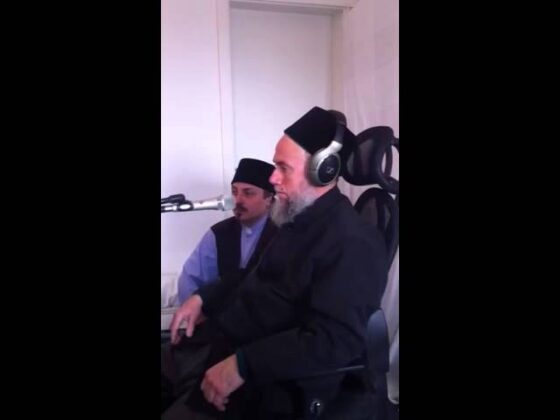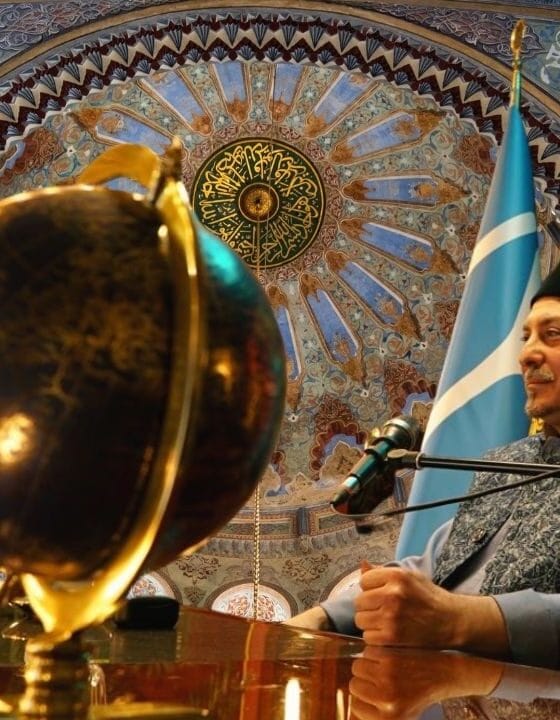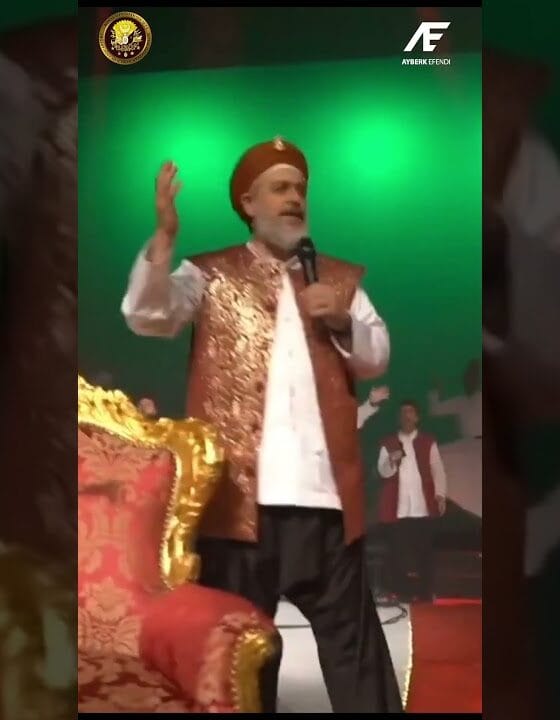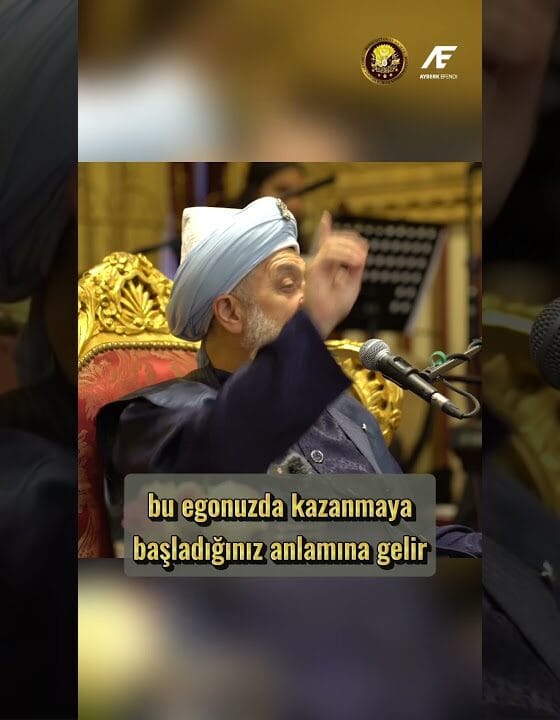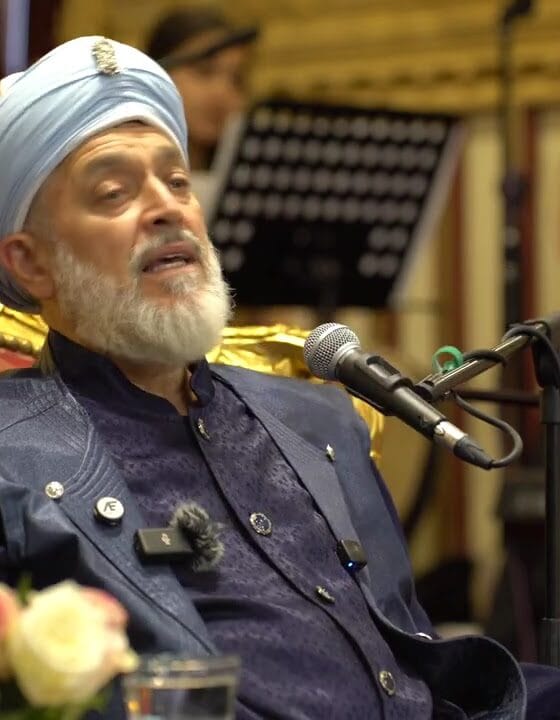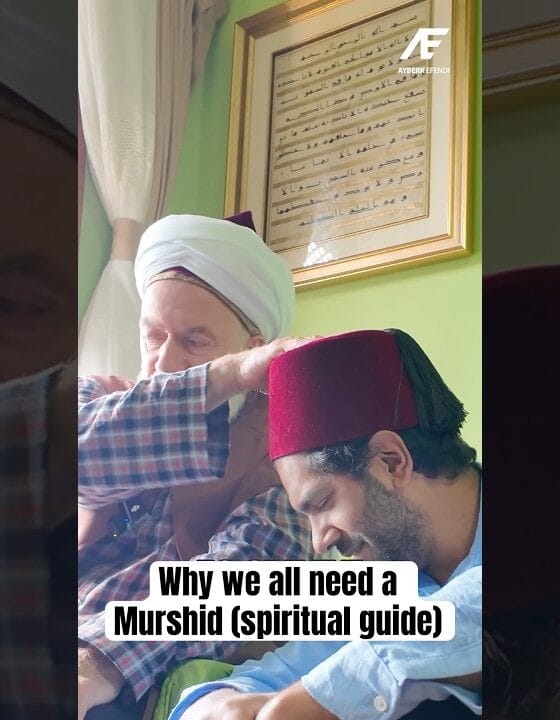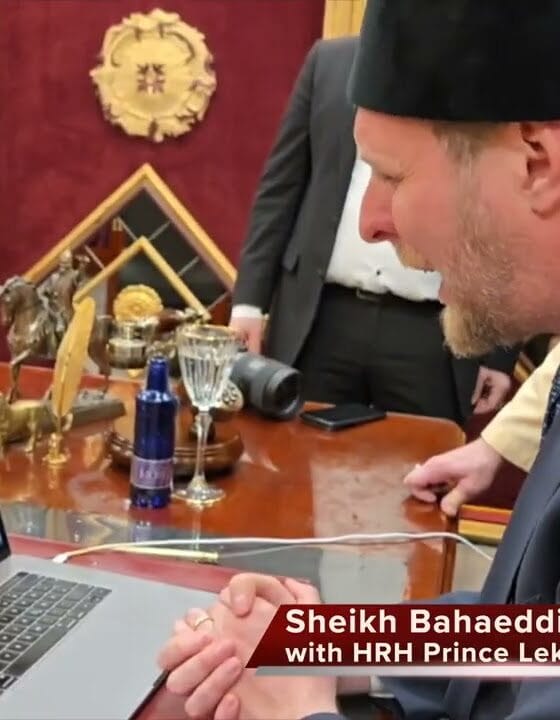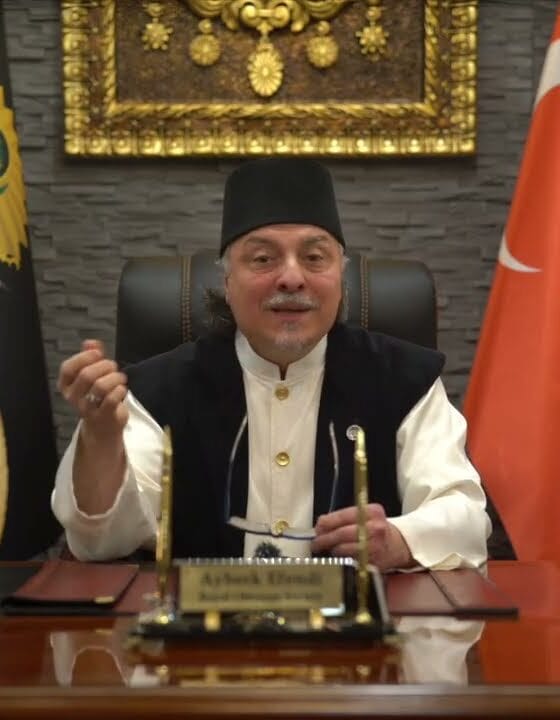
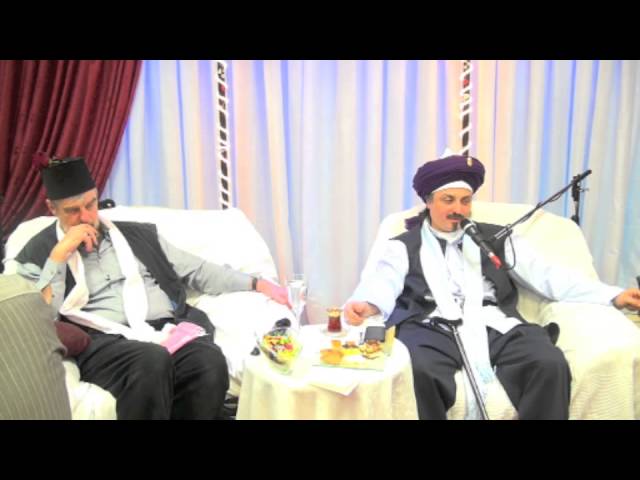
In this heartfelt sohbet the gathered brothers listen as Jalaluddin Efendi and Ayberk Efendi explore what it means to recognise and surrender to the true guide on our spiritual path. The conversation unfolds in a blend of Turkish, German and occasional Arabic, reflecting the multicultural tapestry of the Royal Ottoman Society.
Trusting the Heart Above All
The speakers begin by reminding us that the heart (kalp) is the primary compass for a seeker. While intellect (akıl) can illuminate, it is the whispers that arise from the heart each day—five distinct “fısıltı” that test our discernment—that ultimately shape our inner reality. When we place absolute trust in the heart, we become vulnerable to forgetfulness; yet this very vulnerability opens us to a deeper awareness of divine presence.
The Distinction Between Heart‑Trust and Sheikh‑Trust
A clear distinction emerges between trusting one’s own heart and placing trust (teslim) in the Sheikh (şeyh). Trusting the heart brings personal insight, but it does not carry the responsibility that accompanies surrender to a guide. The speakers emphasize that a true disciple must submit to the Sheikh’s authority, for the Sheikh bears the responsibility of leading us toward our ultimate goal—salvation (kurtuluş). In German they note:
“Er gebe dich, sonst erschieß ich dich.”
This stark metaphor illustrates that without surrender we risk spiritual peril, whereas surrender shields us from the “bullet” of egoic misdirection.
Obedience Even When the Leader Is Not Perfect
The conversation addresses a common dilemma: how to relate to a leader who may err. Citing Qur’anic verses, they explain that even an unjust ruler must be obeyed insofar as he does not command transgression. The logic is that obedience preserves communal order and opens the possibility of divine change. If Allah does not alter a leader’s conduct, it signals that the community has earned this circumstance and must strive to embody righteousness despite external shortcomings.
Historical Illustration: Khalid bin Walid
To ground these principles, Ayberk Efendi recounts an episode from early Islamic history involving Khalid bin Walid. When a companion captured the wealth of a defeated enemy, Khalid instructed that the spoils belong to the community, not the individual. This story serves as a reminder that true leadership prioritises collective benefit over personal gain and that humility before authority is essential for spiritual growth.
The Inner Audit Before External Critique
A recurring theme is the need for self‑examination rather than outward criticism of leaders. The speakers counsel seekers to “calculate their own mistakes” before judging those placed in authority. This inward focus aligns with the Sufi principle that the path to divine proximity begins within oneself.
If this sohbet resonated with you and you wish to deepen your practice under the guidance of our respected sheikhs, consider joining one of our live meetings where Bayah (spiritual allegiance) can be taken: https://royalottomans.com/live-meetings.
To stay connected with the wider community and receive updates on future gatherings, visit our community page: https://royalottomans.com/community/.