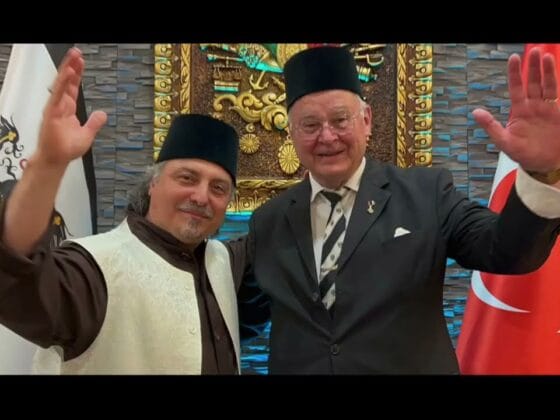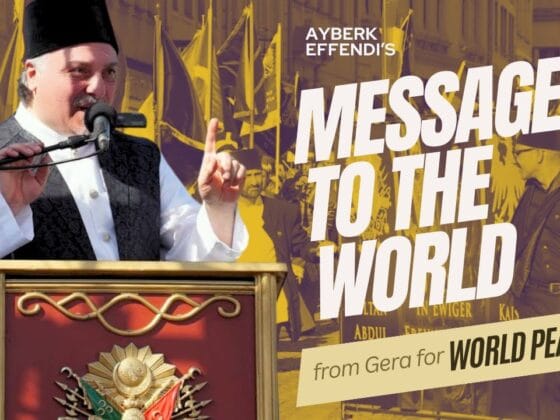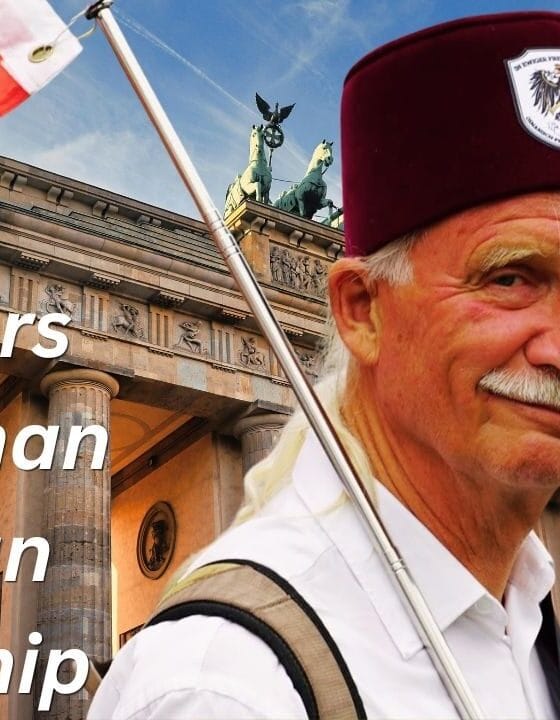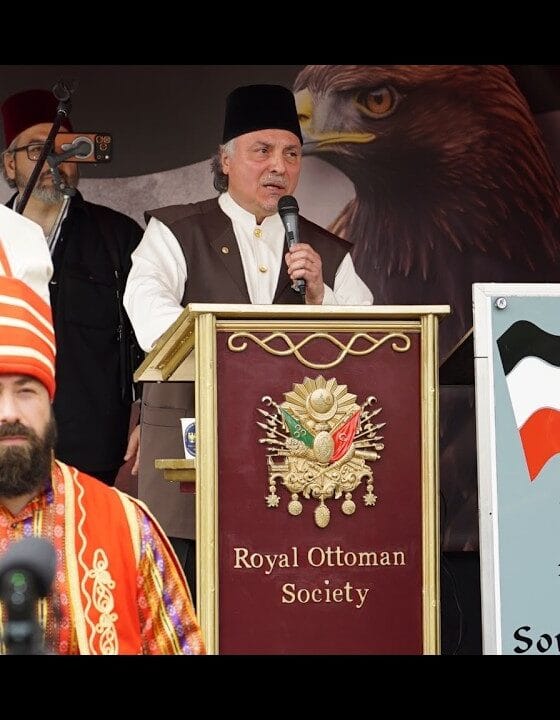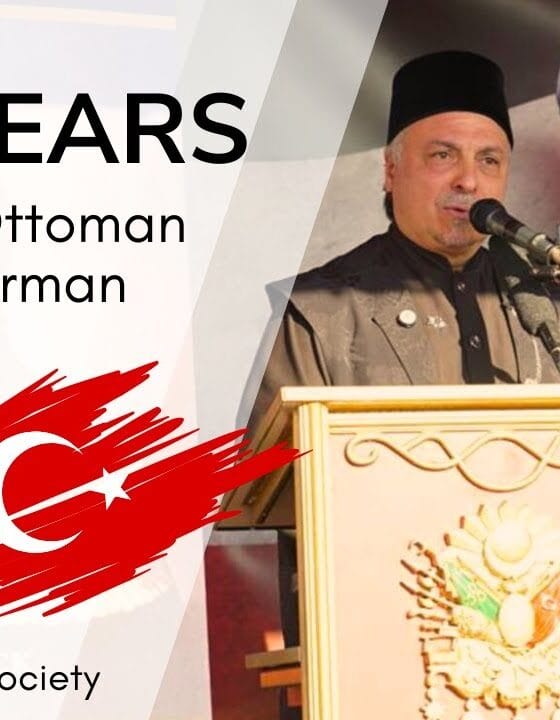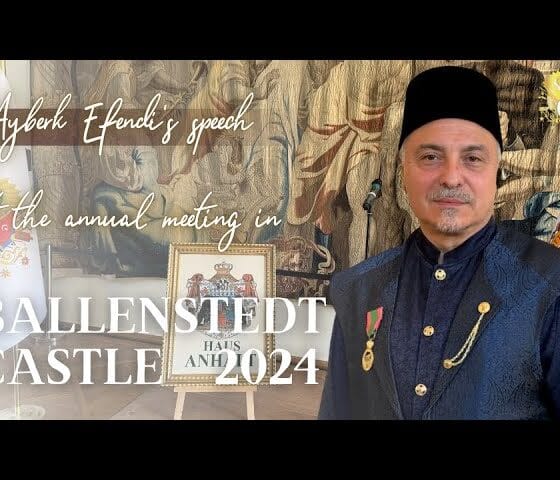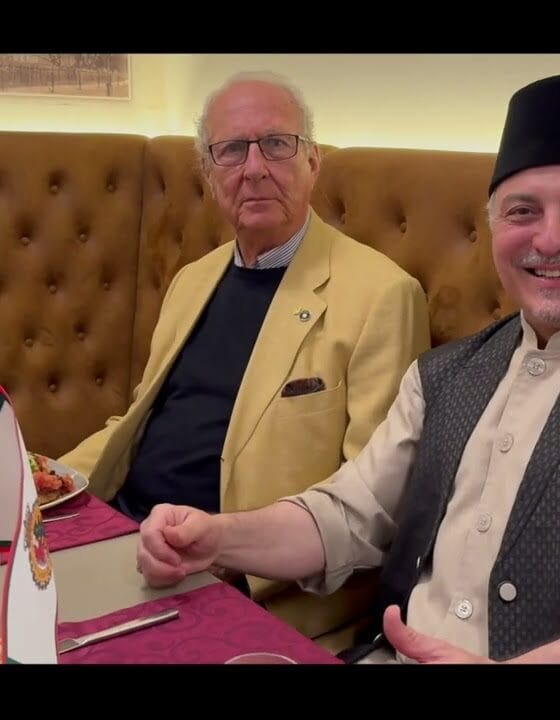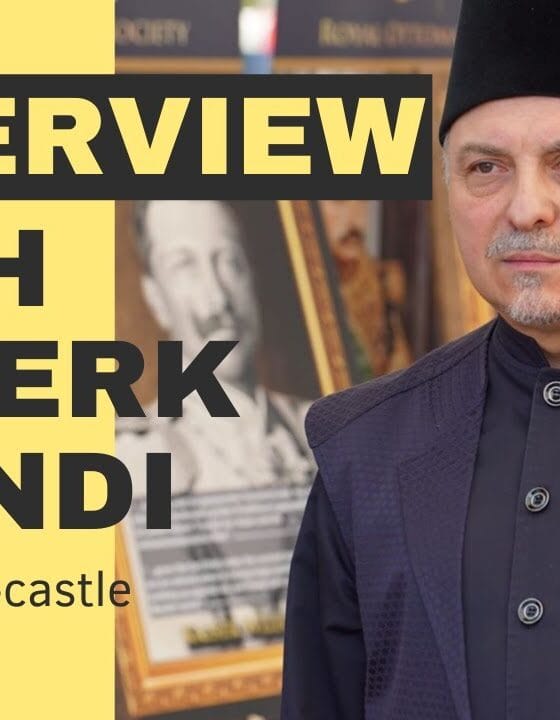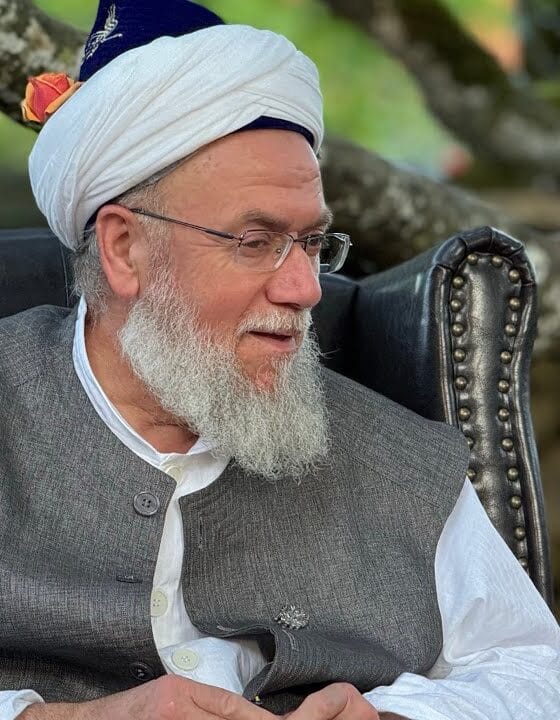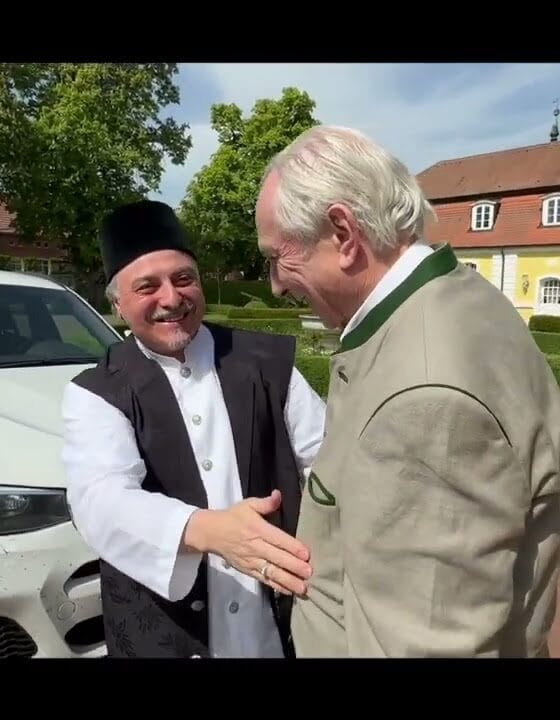
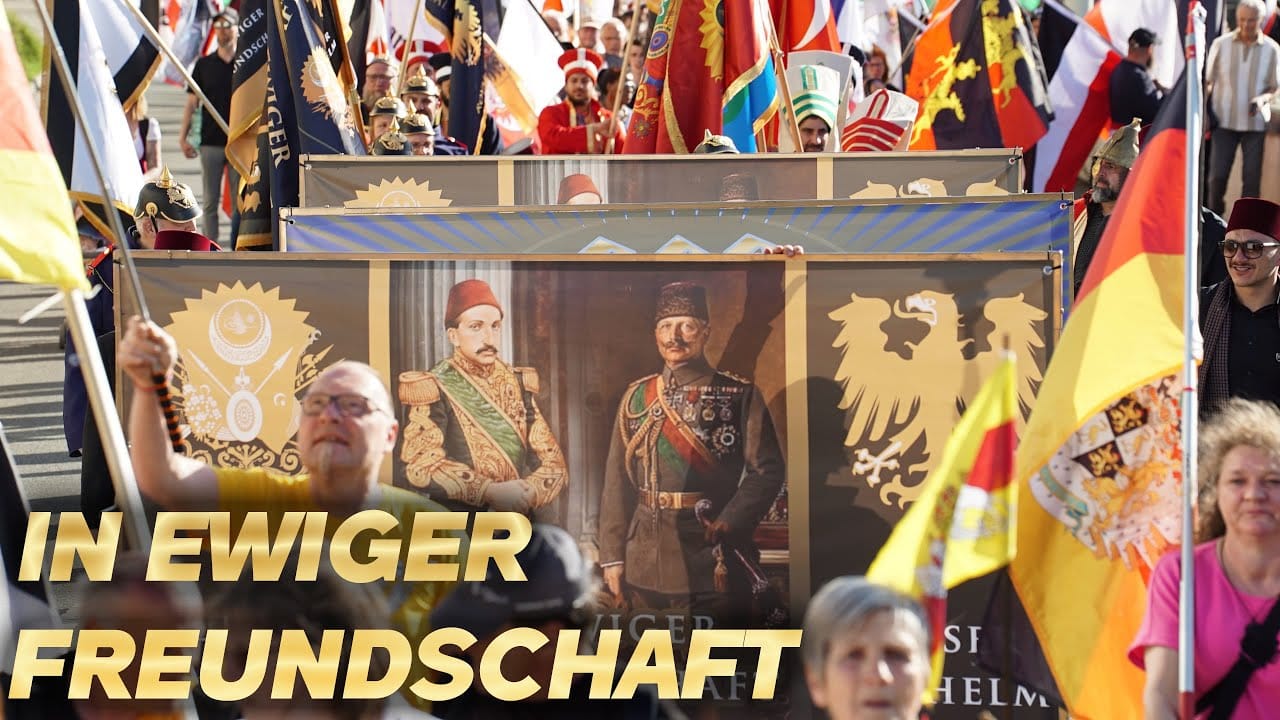
In this talk, delivered at the recent public gathering in Gera, we addressed a persistent media narrative that has confused the nature of our community’s historical identity. The central clarification was that the “German Kreisreich” we speak of has no connection to the authorities of the former Third Reich, a regime that ceased to exist decades ago. By separating our heritage from that dark chapter, we can speak more clearly about the true foundations of our shared past.
Our discussion emphasized that the German homeland of the imperial era, spanning 1871 to 1918, remains a living part of our collective memory. During that period, a genuine partnership blossomed between the Ottoman Empire and the German Empire—an exchange of ideas, culture, and mutual respect that was embodied in the historic relationship between Sultan Abdul Hamid II and Kaiser Wilhelm II. Unfortunately, later historiography has often highlighted only the grim aspects of the early twentieth century, leaving the brighter moments obscured.
We explained how, after the upheavals of 1918, successive German states—including the Weimar Republic, the Federal Republic, and the former East Germany—have, in many ways, eclipsed the original narrative of cooperation. In the early 1920s, language reforms and script changes further severed the symbolic ties that linked our ancestors to one another. This loss of “ancestral bonds” is not unique to Germany; similar disruptions occurred in other nations, including the Ottoman lands, where centuries‑old traditions were abruptly altered.
Re‑weaving these ties, we argued, is essential not merely for historical accuracy but for spiritual vitality. When the threads that connect us to our forebears are restored, they supply the inner strength and energy that enable individuals and communities to flourish. Healing the German homeland, therefore, becomes a prerequisite for broader world peace, because a people rooted in its authentic story can engage with others from a place of confidence and compassion.
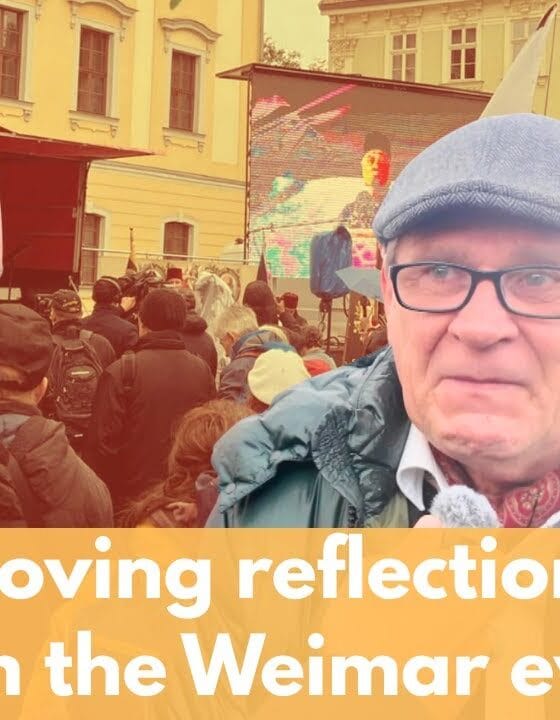
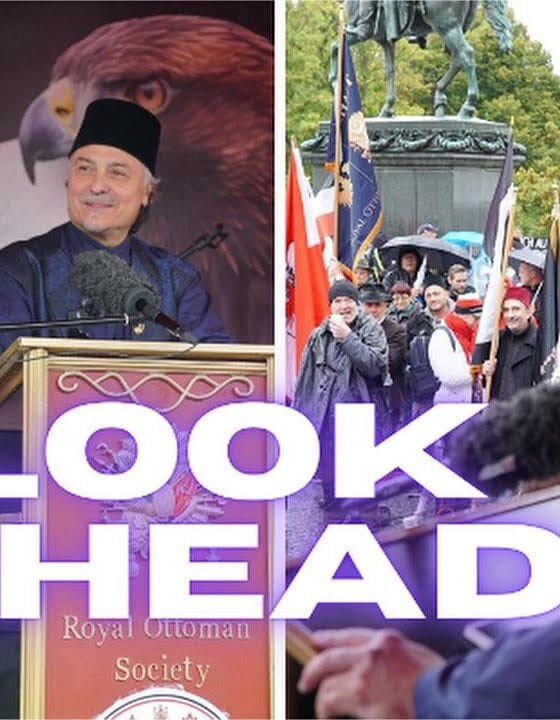
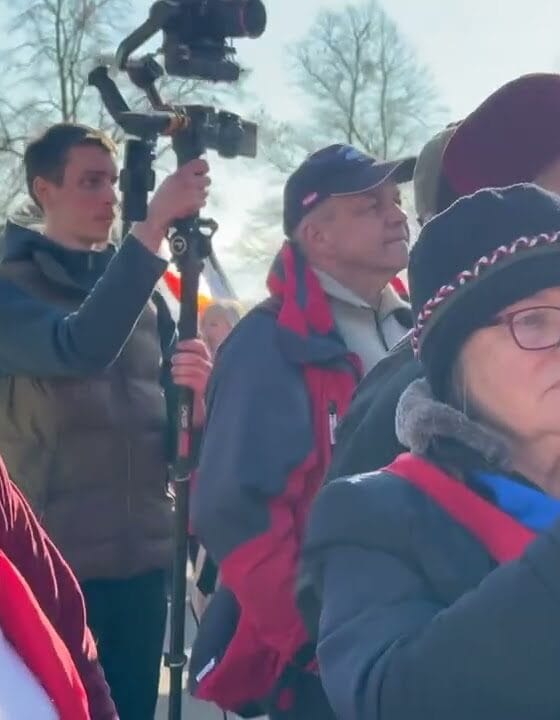
The gathering itself embodied the message we wished to convey. Attendees from diverse backgrounds gathered in the Hofwiesenpark, openly expressing their desire to become “free people”—individuals who can choose their path without being mislabelled. The event was streamed live, reaching viewers from the United States to Japan, and the response was overwhelmingly positive. Participants recognized that, beyond religious or national labels, the true aim is the restoration of home and the cultivation of global harmony.
Throughout the conversation we also clarified common misconceptions: the term “Reichsbürger” belongs to a historical context that no longer applies, and it should not be conflated with contemporary citizens or with the broader German nation. Likewise, accusations that our community aligns with extremist ideologies are unfounded; our focus remains on heritage, peace, and the spiritual renewal that comes from remembering and honoring our ancestors.
In concluding, we expressed gratitude to those who helped organize the event and to the many volunteers who facilitated the live broadcast. Their dedication allowed the message of healing and unity to travel far beyond Gera’s borders.
May the renewed understanding of our shared past guide us toward a future where every nation cherishes its authentic heritage while walking together toward lasting peace.