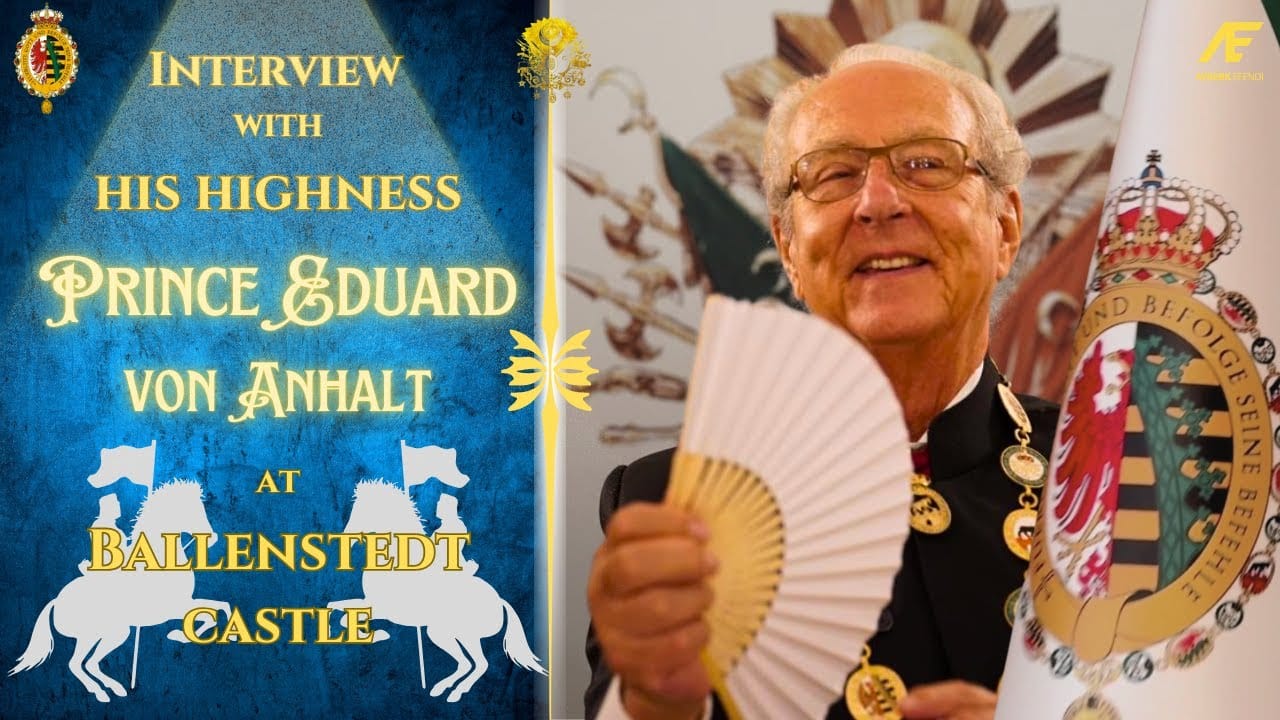
We had the honor of visiting Schloss Ballenstedt and welcoming His Highness Julius Eduard Erdmann, Ernst August Prinzip von Anhalt, into our conversation. Amid the historic halls, he shared reflections on thirty generations of family heritage, the enduring legacy of an enlightened ancestor’s garden, and the way those lessons resonate with Sufi ideals of service and humility.
The dialogue began by asking what wisdom can be drawn from a lineage that stretches back to figures such as Albrecht der Bär and Catherine the Great. Prince Julius Eduard highlighted one particular forebear—affectionately called “Father Franz”—who is remembered as the “Prince of Enlightenment” in Germany. Father Franz created the first English‑style garden on the European continent, opening a vast, publicly accessible landscape where nature and human design intertwine. The prince described walking through that garden with “open eyes, an open heart and full awareness,” allowing visitors to witness how beauty can serve as a living classroom for humility, stewardship, and the expansion of one’s horizon.
This legacy of openness sparked a thoughtful discussion on the responsibilities of contemporary custodians of heritage. While the garden’s free entry means it relies on collective care rather than ticket revenue, Prince Julius Eduard sees this paradox as an invitation to practice khidma—selfless service—by fostering communal ownership and reverence for shared spaces. He emphasized that true nobility lies not in titles alone but in the willingness to nurture public good without exploiting privilege.
When invited to consider his own role today, Prince Julius Eduard expressed a quiet gratitude that echoed throughout the conversation. Rather than outlining a detailed agenda, he underscored the importance of translating ancestral teachings into actions that benefit both his region and the broader world. In doing so, he aligns with Sufi principles that value inner transformation manifested through outward compassion.
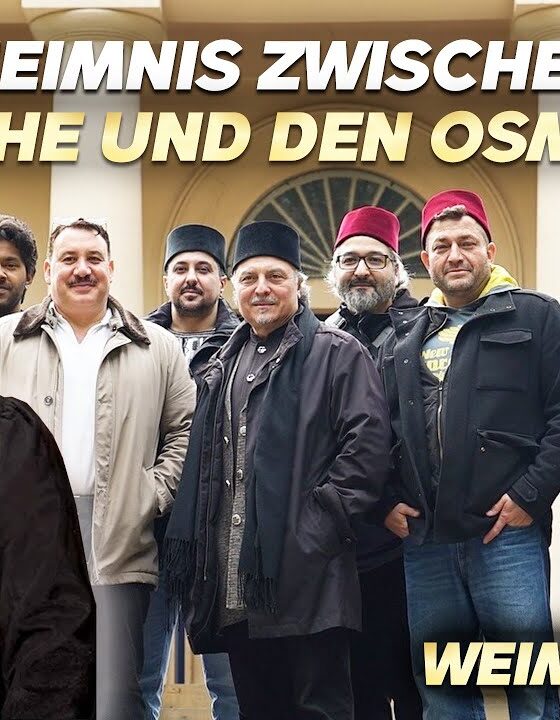
The interview also touched upon historical bridges between the House of Ascania and the Ottoman Empire—an exchange that mirrors our own mission to celebrate cross‑cultural friendship. These centuries‑old diplomatic ties remind us that mutual respect and intellectual curiosity have long linked peoples across continents, offering a timeless model for today’s global community.
For those who wish to explore further readings on this heritage and its spiritual dimensions, we invite you to visit our [Library] (https://royalottomans.com/kutuphane), where additional resources and translations are available.