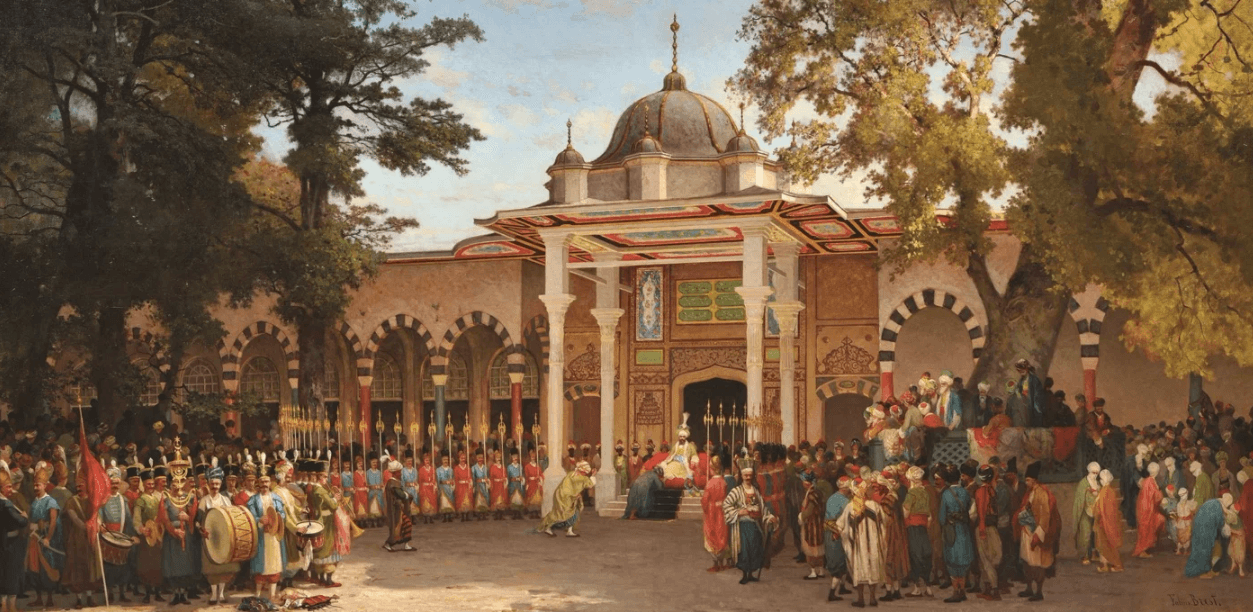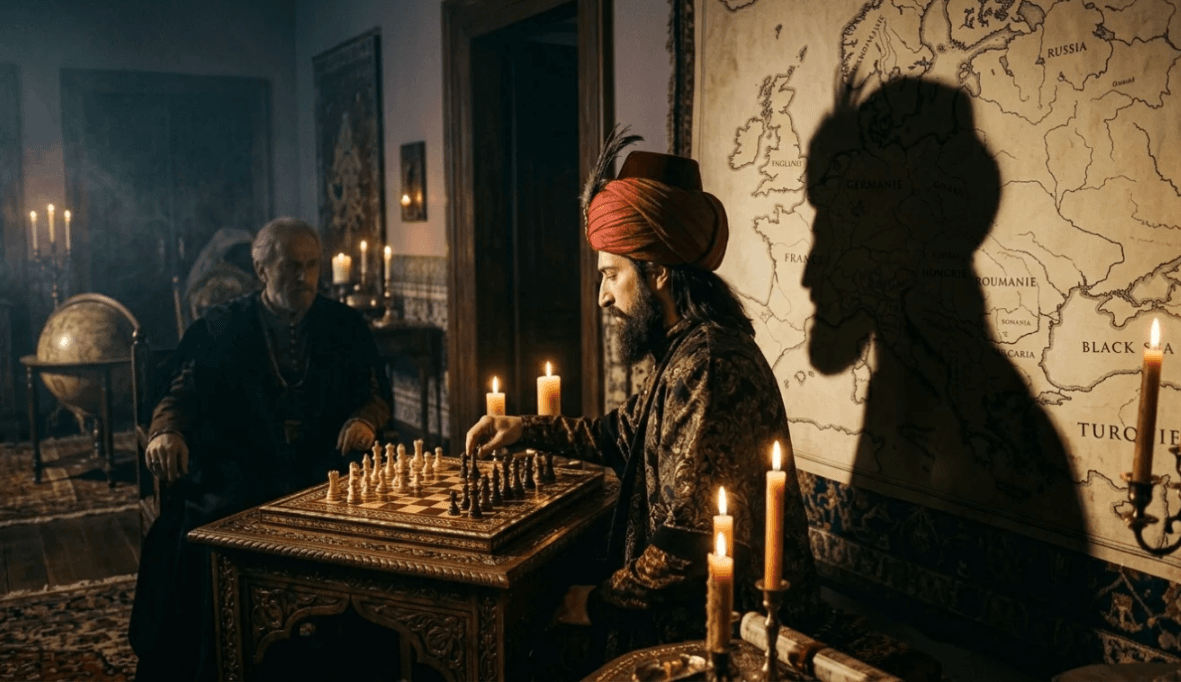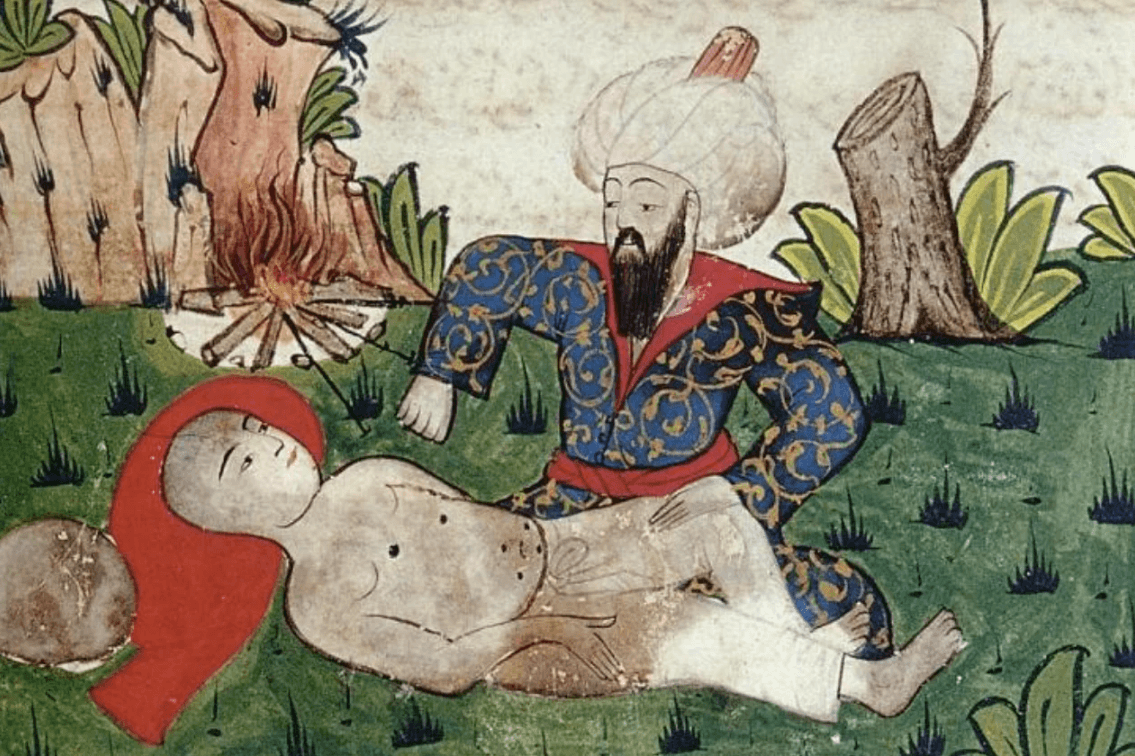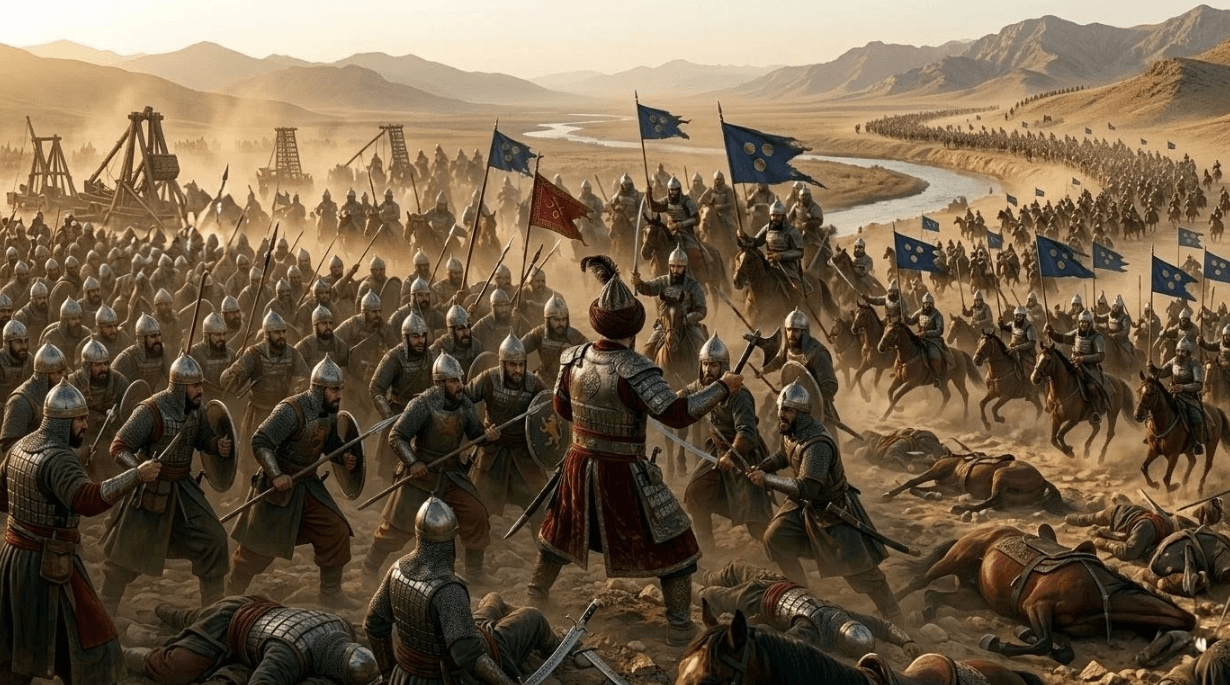
Mawlana Shaykh Nazim Adil al-Haqqani frequently highlighted the deep, historic connection between the Ottoman Sultans and Ṭarīqat, stating that the Ottoman Empire was built on this spiritual foundation. The Ottoman state was strong because its rulers were spiritually guided by the awliya (saints) and shaykhs of the ṭuruq – especially the Naqshbandi Order. He often said that Ottoman sultans respected and consulted saints, and that this spiritual connection kept their rule aligned with divine guidance and not driven by personal ambition.
“The Ottoman Sultans were servants of the Awliya. They did not act without asking the saints. They knew that victory comes through Allah’s friends”, he said, and “Every Ottoman Sultan had a Shaykh guiding him. Without the permission and advice of the saints they would not move.”

Shaykh Nazim mentioned that in the Ottoman period, from the Sultan down to the street cleaners, everyone followed a tariqat, a Shaykh, and believed in the spiritual guidance of saints. He characterized the Ottoman state as an “empire of miracles” because it was led by rulers who were under the spiritual authority of Awliya. “When the Sultans respected the Awliya and the Tariqat, Allah gave victory to the Ottomans.” and “The Ottoman Empire was standing through the support of the Awliya.”
While many Sultans had different affiliations, Shaykh Nazim often emphasized that the Ottoman Sultans received initial training from Naqshbandi shaykhs. He noted that the Naqshbandi Order was particularly aligned with the needs of rulers.
Shaykh Nazim said 1985 in a sohba in Lefke about the Ottoman Sultan, specifically referring to Abdul Hamid II.,: “He never sat upon his throne for judgment until he had made the Naqshbandi remembrance of Allah, recited from the Qur’an, recited from Dalā’il al-Khayrāt, and prayed the Ishrāq prayer …” He mentions this while explaining that righteous rulers combined governance, worship, and honest work, using Abdul Hamid as an example.
Also Shaykh Muhammad Mehmed Adil (the son and successor of Shaykh Nazim Adil al-Haqqani) has commented in multiple talks about the spiritual upbringing and training of Ottoman sultans, emphasizing that their authority was inseparable from deep spiritual discipline. Like his father he also mentioned that the sultans never began their official duties without completing their spiritual practices. These practices were essential for maintaining divine guidance in governance.
Ottoman princes were raised under the supervision of religious scholars and Sufi Shaykhs, often Naqshbandi or other respected tariqas. They received instruction in ethics, humility, justice, and self-restraint, not just military or political education. Even when they had immense temporal power, their upbringing instilled constant awareness of Allah and accountability in leadership.
Shaykh Muhammad notes that Ottoman sultans practiced self-control, patience, and detachment from worldly pleasures. They were taught to avoid greed, arrogance, and indulgence, which are corrupting factors in rulership. Spiritual training was not symbolic, but actively linked to how they conducted state affairs, judgment, and governance.
Sultans were taught that political authority without spiritual grounding is hollow. Their dhikr and prayers protected the state spiritually and maintained the blessings (barakah) of Allah in the empire. Shaykh Muhammad often highlighted Sultan Abdul Hamid II as an example of a ruler combining piety with justice. This spiritual formation explains why the Ottoman sultans were historically respected not only as leaders but as guardians of Islam and morality.
The Ottoman Sultans were all adherents of the path of tasawuf and had their respective Mursheed. Every Sultan was basically a member of the Naqshbandi order. They maybe were mureed or even Shaykhs of other orders, but they were mureeds of the Naqshbandi order as basic. Because the Naqshbandi order is the highest order and it is an order that is training rulers, sultans, and wazirs. Like for example, Sultan Abdul Hamid Khan, he was a Naqshbandi mureed, but he was a Shadhili Shaykh.
Sultan Abdul Hamid II was originally a follower of the Naqshabandiyya Order with Shaykh Ahmad Ziyauddin Gumushanevi as his murshid. Then he also embraced the Shadhili Order and made Libyan Shaykh Muhammad Zafir al-Madani his teacher. He also got training from Syrian Shaykh Abul Huda al-Sayyadi al-Rifa’I who held the position of Shaykh al-Mashayikh (Shaykh of the Shaykhs) in the court.
Sultan Abdul Hamid was very happy when Shaykh Abu Muhammad al-Madani, the grandshaykh of the Naqshabandiyya, fled from Russia and arrived in Turkey 1890. The Sultan took bayat (pledge of allegiance) from him and gave him the choice of any piece of land in Istanbul on which to build a zawiya for the Order and a house for himself. Shaykh Abu Muhammad replied, “That choice is not up to us, but it is up to the Divine Presence.” The Sultan said, “Whatever you have decided, I will obey your decisions.” Abu Muhammad al-Madani was sent to a place between Yalova and Bursa and began building houses there with his followers. That place was named Rashadiya and is now known as Güneyköy.
Long before his death, Shaykh Abu Muhammad al-Madani bestowed the authority of the order to Shaykh Sharafuddin ad-Daghestani (1875–1936) and bequeathed to him all his students. Shaykh Sharifuddin became the advisor of Sultan Abdul Hamid, who took bayat with him together with a number of his closest advisers. He held a high position within the Ottoman spiritual hierarchy, sometimes described as a Shaykh ul-Islam and key advisor during the Sultan’s reign.
Shaykh Sharafuddin was respected even by the new secular Republic of Turkey’s regime, established by Atatürk. Where others were imprisoned for wearing the head covering of the Prophet (sas), Shaykh Sharafuddin and his Deputy, Shaykh Abdullah ad-Daghestani, were the only two Shaykhs allowed to wear turbans in the new Republic.
Shaykh Nazim often praised the Ottoman Sultans, describing them as operating in accordance with the Qur’an. He would often use these historical examples to illustrate the importance of maintaining a connection to a spiritual guide and a tariqat to uphold righteousness and spiritual power.
In several sohbahs Shaykh Nazim described the Ottomans role in history: “The last keepers of the Prophet’s Banner and the Islamic Caliphate and Imamat were the Ottomans. The guardians of the safety, unity and honor of the Muslim Nation were the Ottomans. Therefore, the strike against the Ottomans was actually a strike against Islam.”
He often emphasized that when the Ottoman caliphate disappeared, the Muslim world fragmented: “Since the appearance of Islam until the year 1923 there were Ulul-Amr Sultans of the Islamic world, those who kept the Shariat. When they were removed, the Muslim world was left without a head.” The abolition of the caliphate was not merely political but a spiritual rupture in the ummah.
In a 2011 sohbet in Lefke, he spoke strongly about the removal of the Ottoman caliph: “They expelled the khalifah! There is yet to come upon the Turks for kicking out the khalifah from their land. Because of that oppression the whole Islamic world is now suffering: Egypt, Hijaaz, Yemen, Baghdad and Sham are all suffering.”
In another sohbet he used the metaphor of a string of beads to explain unity under the caliphate: “On a tasbeeh you see that all the beads are strung together. If you cut the string they fall apart one by one.” The Caliphate acted as the string that held the Muslim world together.
And Shaykh Nazim mentioned that the tasks of the Ottoman sultans have not ended yet: “Sultan Selim will come and take delivery of the Sacred Trusts (relics of the Prophet ﷺ kept in Istanbul). Then when Imam Mahdi comes, he will hand them over to him.” and “Sultans will be the ministers of Mahdi.”
Compiled by Hamza Abu Ahmed