Written by Hannah Babar Mubarak
Rabia Bala Hatun, the daughter of Sheikh Edebali and the wife of Osman I, played an important role in the early foundations of the Ottoman Empire. Raised in a respected religious household, she carried the teachings and values of her father into her life with Osman Bey and supported the spiritual and moral life of the early Ottoman family. She was also the mother of Aladdin Ali.
Early Life
Rabia Bala Hatun was born in the late thirteenth century in Anatolia into a household known for religious learning and social influence. Her father, Sheikh Edebali, was a well-known Islamic scholar and Sufi leader whose lodge served as a place of spiritual guidance for many Turkmen communities.

Growing up in this environment meant that faith, discipline, and responsibility were central parts of everyday life. Although historical records do not provide many details about her childhood, her upbringing shaped her character. Being raised in a household that combined religious authority with community leadership prepared her for her later role within the first Ottoman household.
Marriage to Osman I
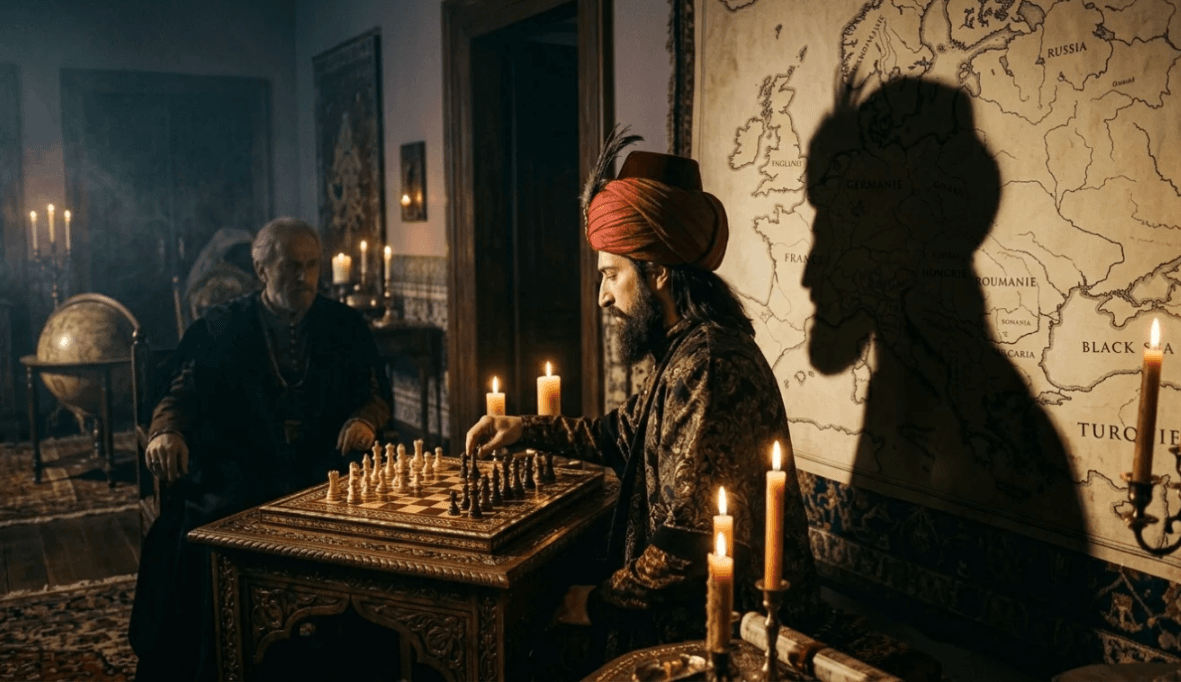
Her marriage to Osman Bey, which is generally believed to have taken place around 1280, brought together two important forms of authority: spiritual influence and political leadership. Osman was an emerging frontier leader, while Sheikh Edebali represented respected religious guidance. Through this marriage, Rabia Bala Hatun formed a link between these two spheres.
The union strengthened Osman’s position and helped establish trust and legitimacy among the surrounding communities. In this way, the marriage was not only personal but also meaningful for the early development of the Ottoman state.
As the wife of Osman I, she became the mother of Aladdin Ali Pasha, the only child attributed to her in early sources. Aladdin grew up in Söğüt alongside his half-brother Orhan, who would later succeed their father as ruler. Although Aladdin did not become the leader of the state, he remained an important member of the family and is believed to have served in advisory roles during Orhan’s early rule.
While the sources do not describe his upbringing in detail, Aladdin was raised in a household shaped by the teachings of Sheikh Edebali. This environment likely emphasized Islamic learning, discipline, and good character qualities expected from members of elite families at the time.
Textile Arts During Her Lifetime
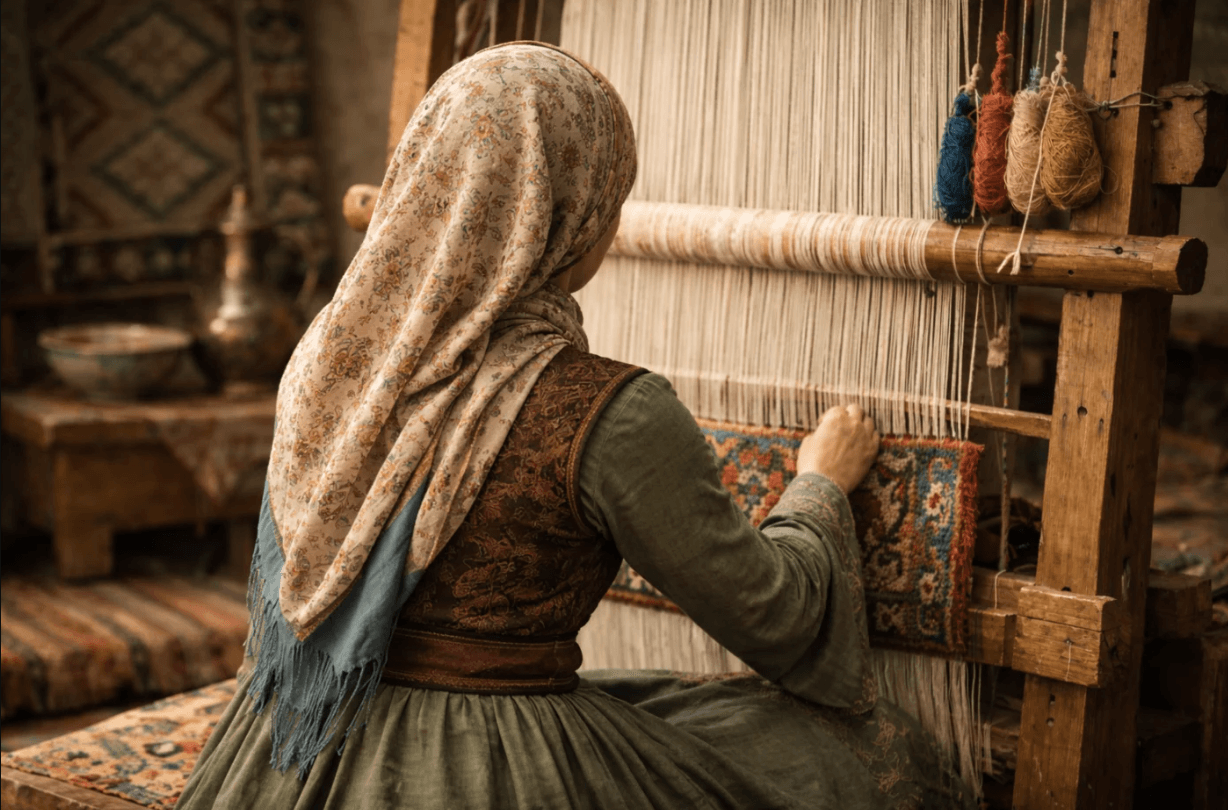
During Rabia Bala Hatun’s lifetime, textile work such as spinning and weaving was a normal and necessary part of daily life in Anatolia. Women in both nomadic and settled communities produced cloth, rugs, and carpets for their households, passing these skills down through generations.
Living in a socially and spiritually active household, Rabia Bala Hatun would have been part of a culture where women’s work in textiles was valued and respected. These traditions later developed into the well-known carpet weaving heritage of Anatolia.
Food in the Early Ottoman Household
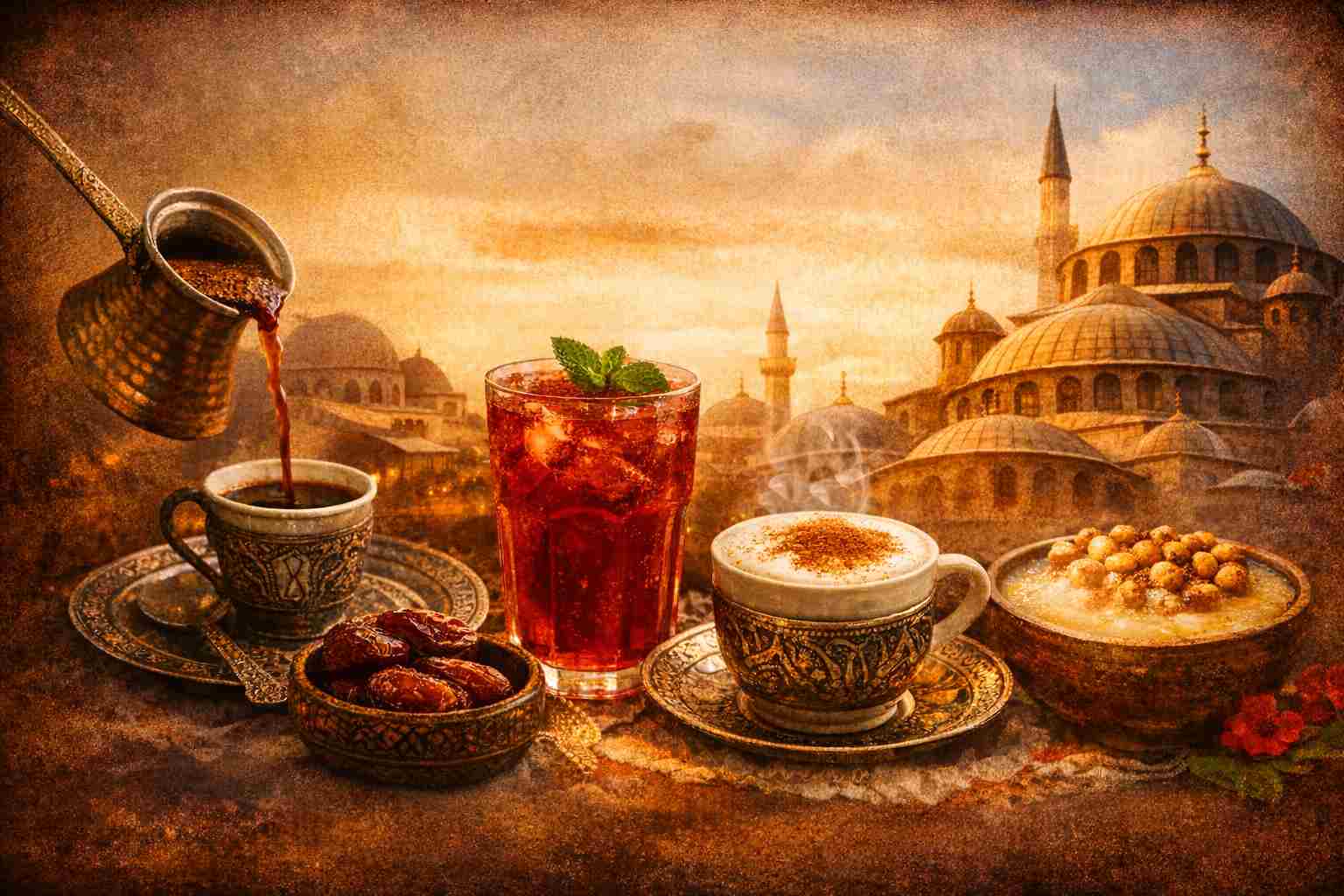
Food preparation was another important part of daily life. Rabia Bala Hatun worked alongside other women of the household when preparing meals, especially when welcoming guests, relatives, or visiting leaders.
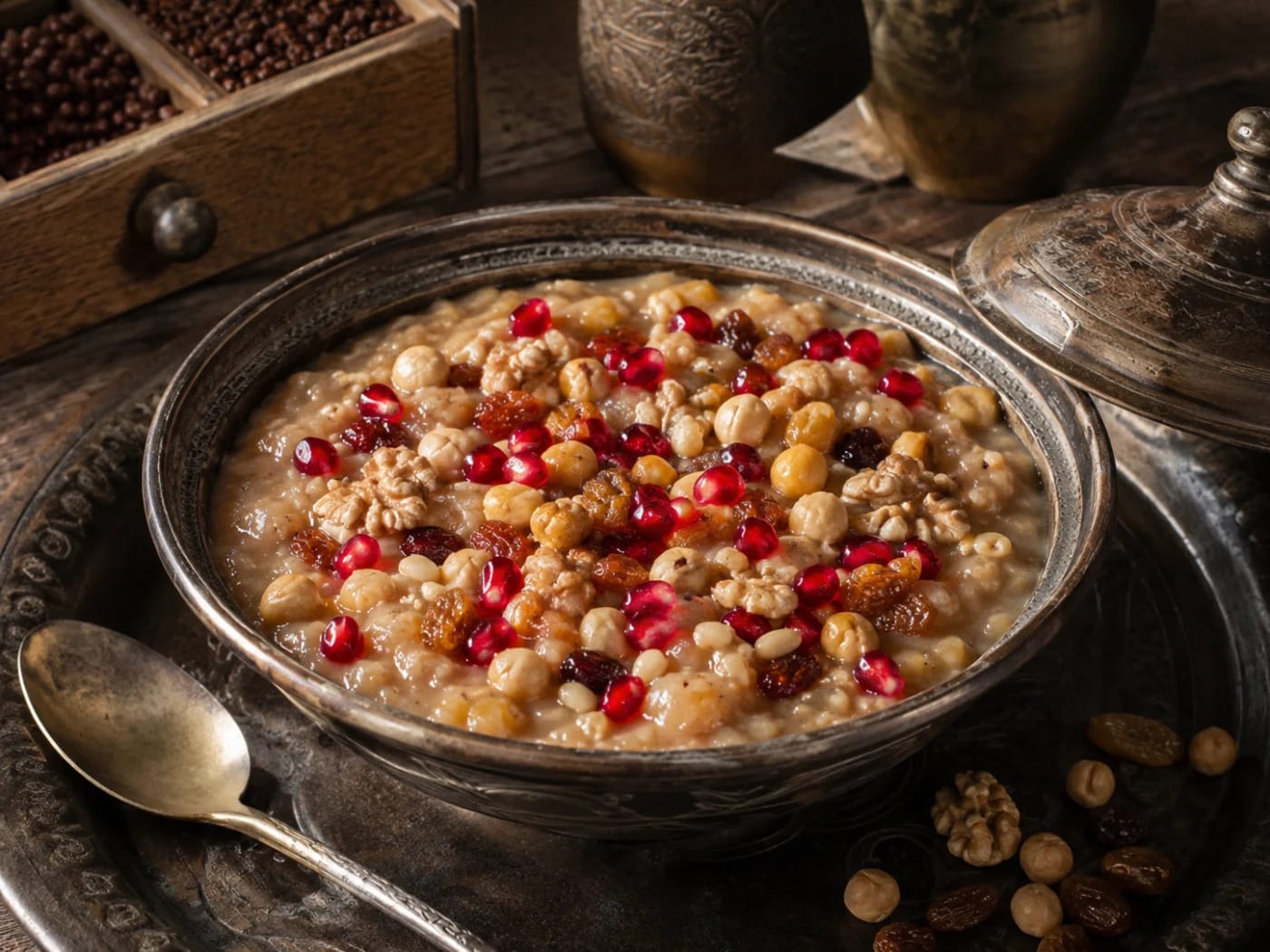
In Anatolian culture, food represented more than simple nourishment; it was a symbol of hospitality and care for others. Meals often included bread made from wheat or barley, lentils and other legumes, dairy products such as yogurt and cheese, vegetables, herbs, and meat like lamb or goat on special occasions. Spices and condiments added flavour and variety.
Through these everyday activities, the household-maintained traditions of generosity, discipline, and responsibility that reflected the values of the religious and socially active environment in which she had grown up.
Death and Legacy
Rabia Bala Hatun passed away in January 1324, two years before the death of her husband Osman Bey. She was buried in Bilecik beside her father, Sheikh Edebali.
Although historical sources do not record many personal details about her life, her position as the daughter of Sheikh Edebali and the wife of the Ottoman founder made her an important figure in the early Ottoman household. Her life symbolized the close relationship between spiritual guidance and political leadership that helped shape the early Ottoman state.
Her influence continued through the family she helped support. Members of the household, including her son Aladdin Ali, grew up within a culture that valued faith, discipline, and loyalty. In this way, her legacy lived on not only through family lineage but also through the values that helped guide the early Ottoman dynasty.
Rabia Bala Hatun’s story reminds us that the strength of the early Ottoman household did not depend only on warriors and rulers. It was also shaped by the quiet dedication of those who supported the family, upheld its values, and helped maintain stability during uncertain times.
               إِنَّا لِلَّهِ وَإِنَّا إِلَيْهِ رَاجِعُونَ

              Indeed, we belong to Allah, and indeed to Him we will return.
Resources used:
https://en.wikipedia.org/wiki/Rabia_Bala_Hatun
https://ancestors.familysearch.org/en/G8QK-J7L/rabia-bala-hatun-1258-1324
https://medium.com/@historybyzainab/the-woman-of-many-names-malhun-rabia-hatun-42b0b6ddb1df