Written by Ehtesamul Hoque
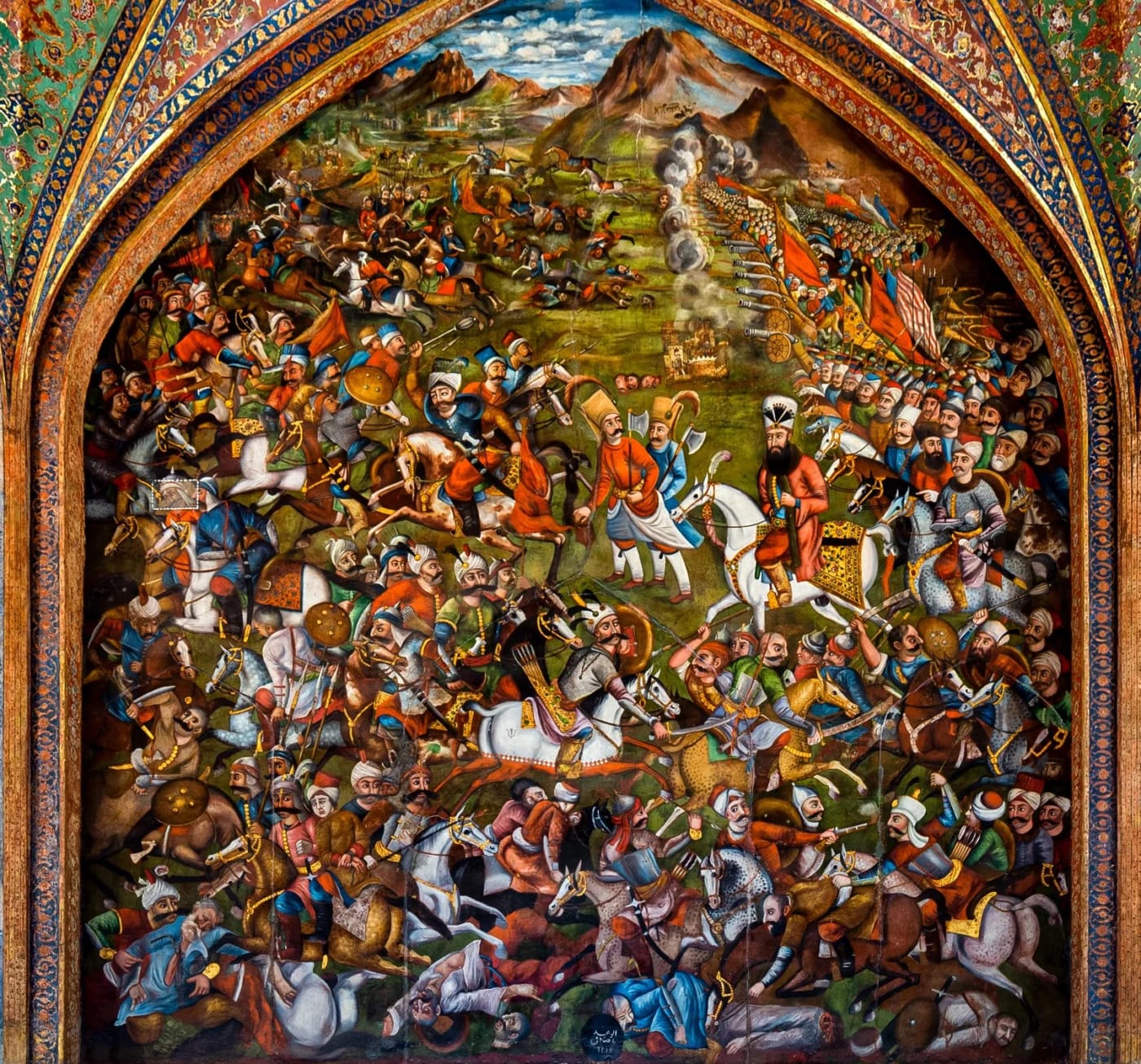
The year 1402 is a giant pillar in the long hall of history. It was the year two titans crashed together on the dusty plains of Ankara. Most history books focus on the sharp swords, the thundering horses, and the giant war elephants brought from the East. But the real story—the one that changed the world forever—happened inside the mind of Sultan Bayezid I. He was known as the “Thunderbolt” because he moved like lightning in war, striking before his enemies could even blink. However, his greatest moment on that day was not a fast attack. It was a deep, quiet wisdom. In the middle of a losing battle, he made a choice that saved the soul of the Ottoman people.

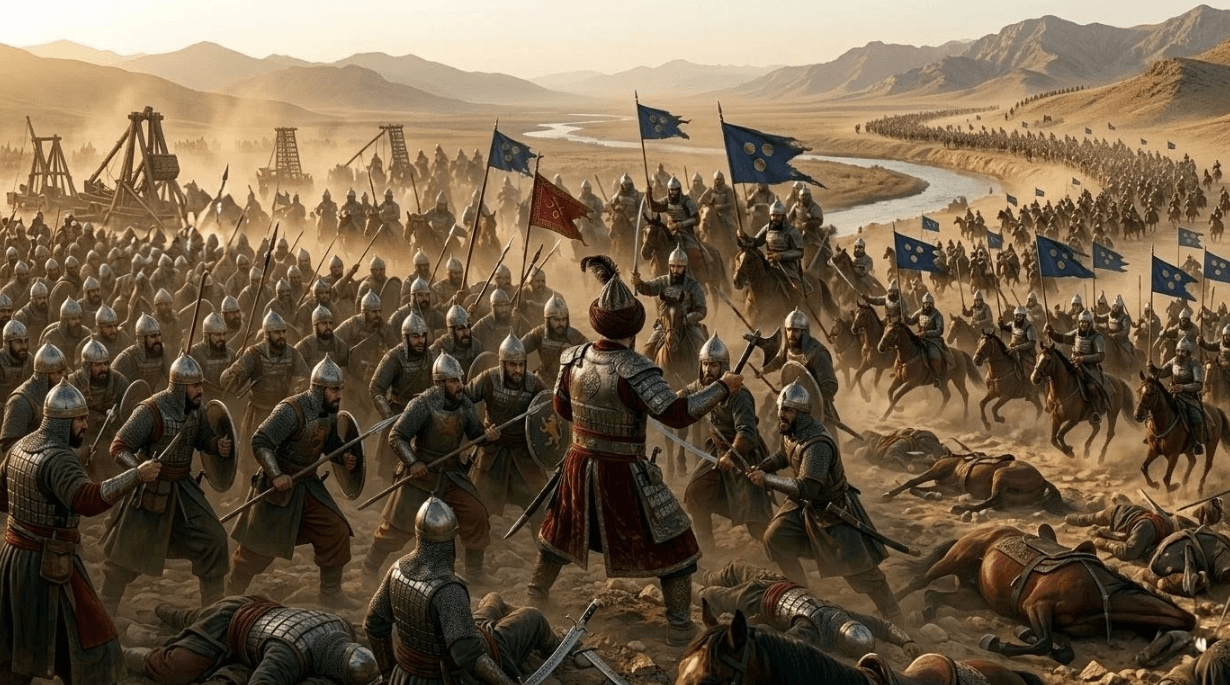
As the sun rose over the battlefield, the air became thick with a yellow dust that choked the breath. The sound was a deafening mix of shouting men and the rhythmic beat of drums. For Bayezid, the morning brought a bitter realization. Many of his soldiers, men he had trusted to hold the line, had switched sides to join Emir Timur. The Ottoman ranks were thinning, and the Sultan found himself surrounded by a rising tide of enemies. In that dark and lonely moment, a simple leader might have stayed to die with all his children just to look “brave” or to satisfy his pride. But Bayezid was more than a soldier; he was a visionary. He knew that if he and all his sons died in that dust, the Ottoman story would end on that very field
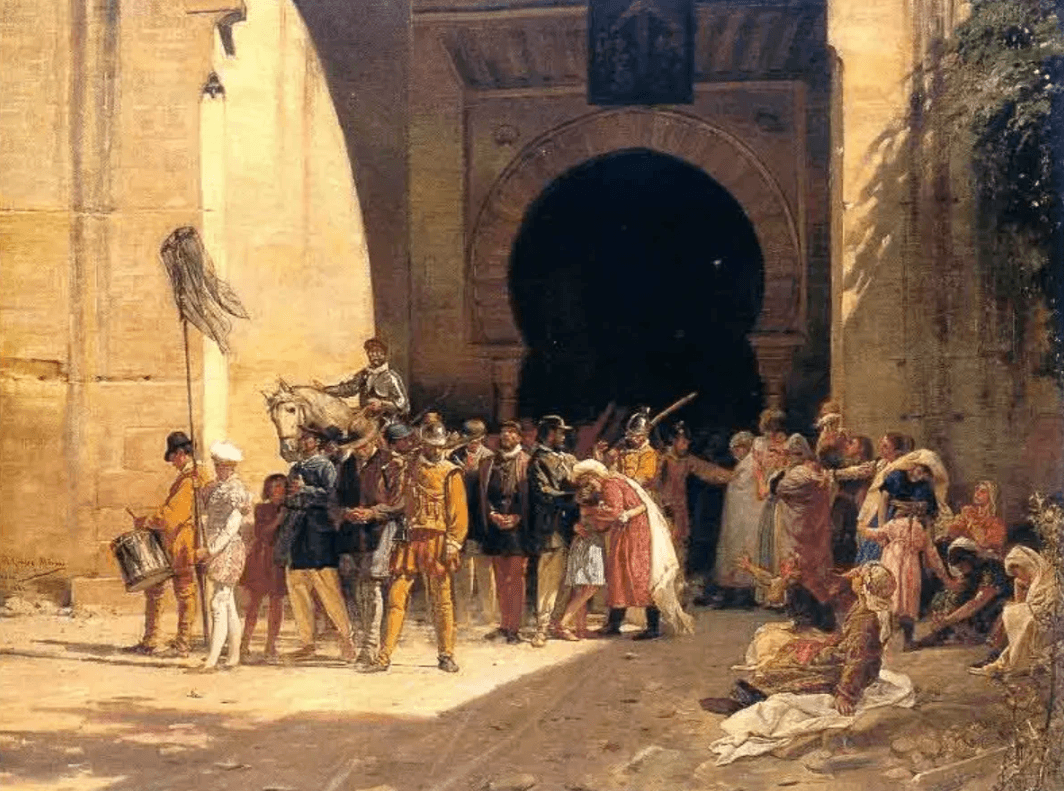
Bayezid looked at the chaos around him and made a decision that was both heartbreaking and brilliant. He turned to his sons—the young princes who would one day need to carry the weight of the crown—and gave them a final, iron command. He ordered them to turn their horses and retreat. He told them to ride fast and far away from the carnage. This was not the act of a father being weak or fearful; it was the act of a Sultan being profoundly wise. He understood a great secret of power: a King can be captured, and a King can even die, but the idea of the Empire must never be extinguished. By sending his sons away, he was planting seeds in the garden of the future, even while his own world was falling into shadow.
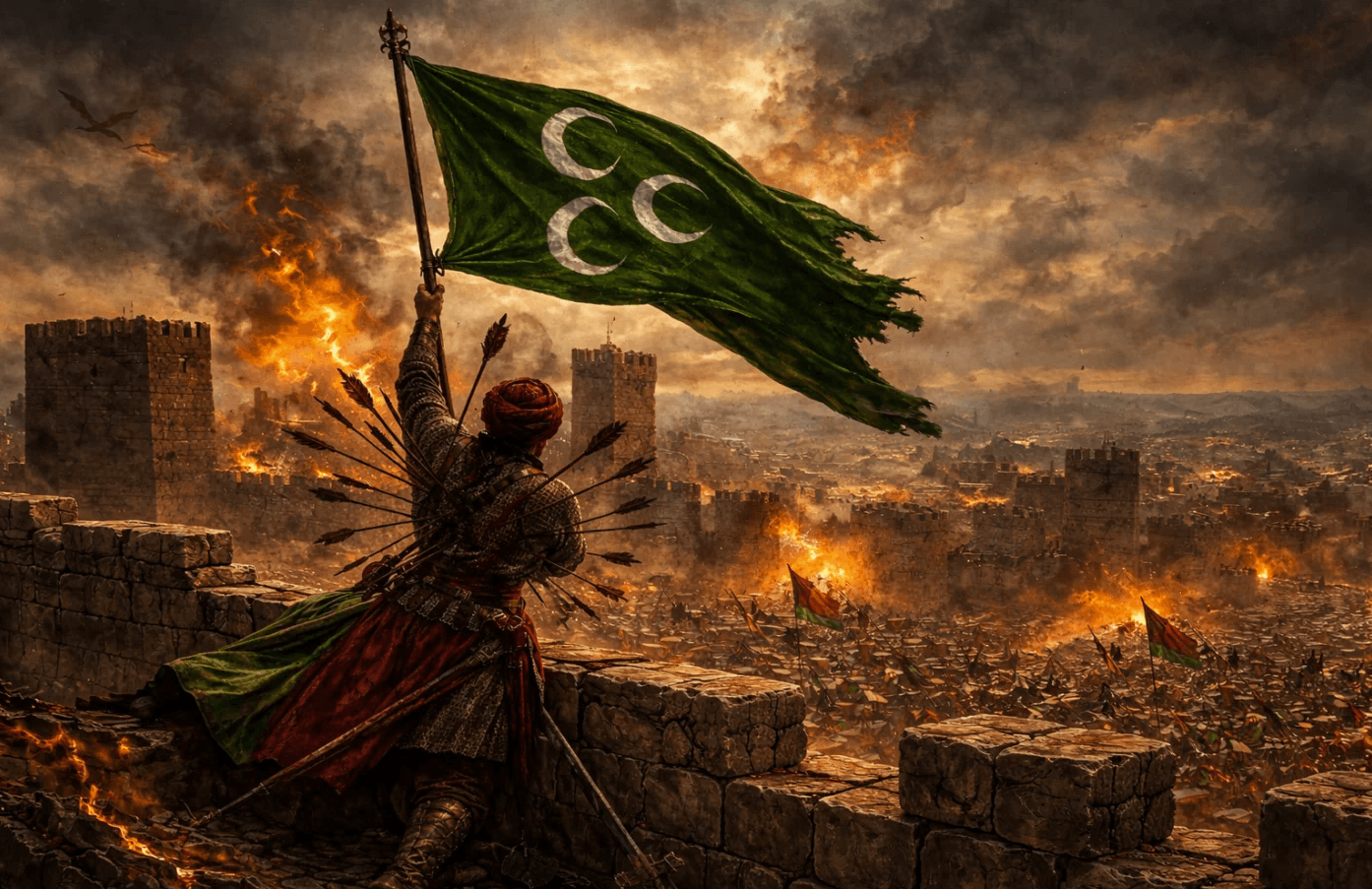
The Sultan did not join them in flight. Instead, he moved toward the heat of the fire. He stayed on the front lines, standing like a rock in a stormy sea. He became a human shield, swinging his heavy mace and fighting with the strength of a hundred men. Every second he stayed in the fight was a second of safety he bought for his sons. Every arrow he drew toward himself was an arrow that did not find his heirs. He chose to be the anvil so that, one day, his sons could return to be the hammer. He sacrificed his own freedom and his own life to buy the time his family needed to survive.
On the other side of the field stood Emir Timur, the great conqueror.
He won the battle that day, but he failed at the one thing Bayezid got right: protecting what comes next. Timur was a man who lived only for the “now.”
He wanted every victory to be total and every person around him to be a weapon. While Bayezid pushed his sons toward the safety of the horizon, Timur did the opposite. He sent his favorite grandson and intended successor, Muhammad Sultan, right into the teeth of the most dangerous fighting. To Timur, his grandson was just another tool to help him win the day.
Timur walked away from Ankara with a golden crown and his greatest rival in a cage, but he had accidentally poisoned his own legacy. His grandson was badly wounded and exhausted by the constant wars; he passed away shortly after the victory. Because Timur did not have the wisdom to protect his heir, his massive empire began to crumble the very moment he drew his final breath. Without a strong, prepared leader to follow him, Timur’s lands were split into pieces by greedy generals and vanished like smoke in the wind. His victory was a bright firework that lit up the sky for a second and then left nothing but darkness.
Bayezid’s choice was the ultimate act of leadership. He accepted the heavy, cold chains of a prisoner so that his empire could remain free in spirit. He knew that the life of the state was more important than his own personal glory. Because his sons escaped that day, the Ottoman Empire did not die in the dust of 1402. Instead, it did something miraculous—it grew back. It rose from the ashes, healed its wounds, and became stronger than ever before. Because of those sons who lived, the Empire lasted for 600 years, eventually stretching its arms across three continents and dozens of seas.
History usually cheers for the person who stands on top of the mountain at the end of the day. We are taught to admire the winner. But true glory belongs to the leader who looks past the battle and sees the centuries. Bayezid I may have been captured and held in a cage, but his wisdom traveled through time like a golden thread. He taught us that a true leader is not defined by a throne or a title, but by the safety and the future of the people he leaves behind. He showed that sometimes, the greatest win is knowing how to lose yourself so your dream can live.
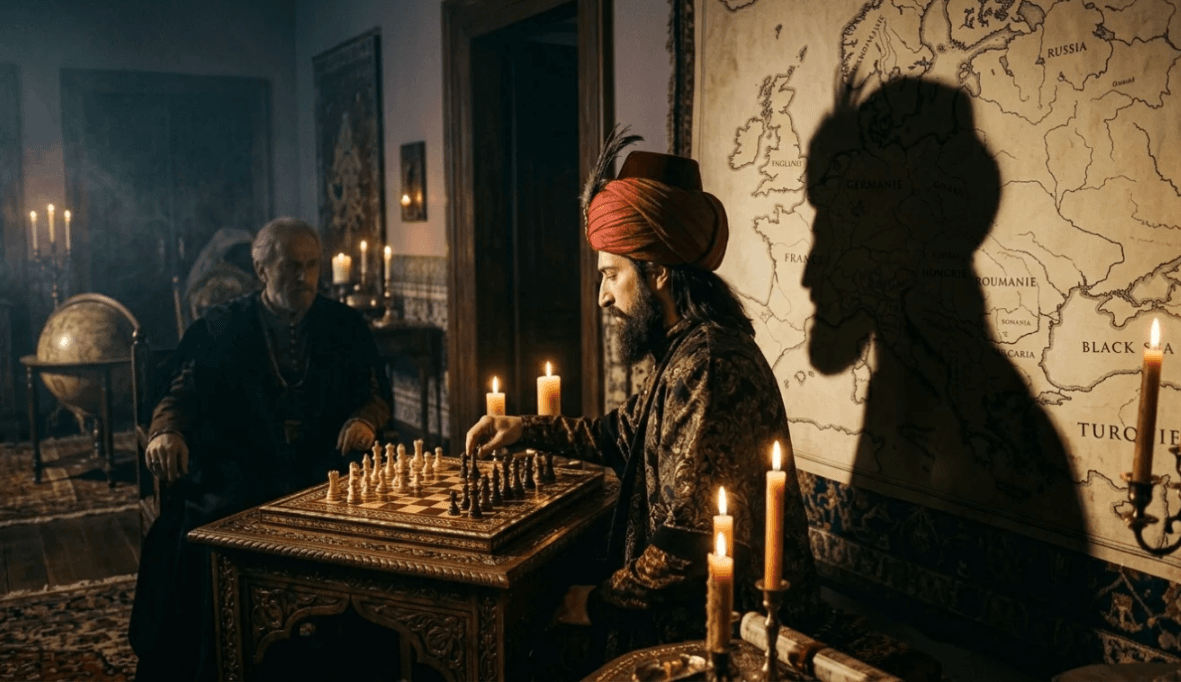
At the end of the day, a strange and beautiful truth remained. Bayezid built a bridge of sacrifice for his children to cross, while Timur accidentally burned the bridge his own grandson needed. By losing the battle on the field, Bayezid actually won the battle of history. He traded a single moment of defeat for six hundred years of power. He proved that a father’s love, mixed with a leader’s wisdom, is the strongest foundation any nation can have.
Bayezid fell as a captive so his sons could rise as kings; he lost the field of earth, but
won the map of time.