The festival of Eid al-Fitr – called Ramazan Bayramı – was one of the most anticipated events of the year in the Ottoman empire. More than a religious holiday marking the end of Ramadan, it became a grand social celebration that brought together imperial authority, urban culture, and neighborhood traditions, it combined spirituality and communal joy.
At the heart of Ottoman Eid celebrations was a highly structured court ritual centered around the sultan. These ceremonies were organized according to court protocol dating back to the reign of Sultan Mehmed II, whose legal codes defined how imperial ceremonies were conducted.

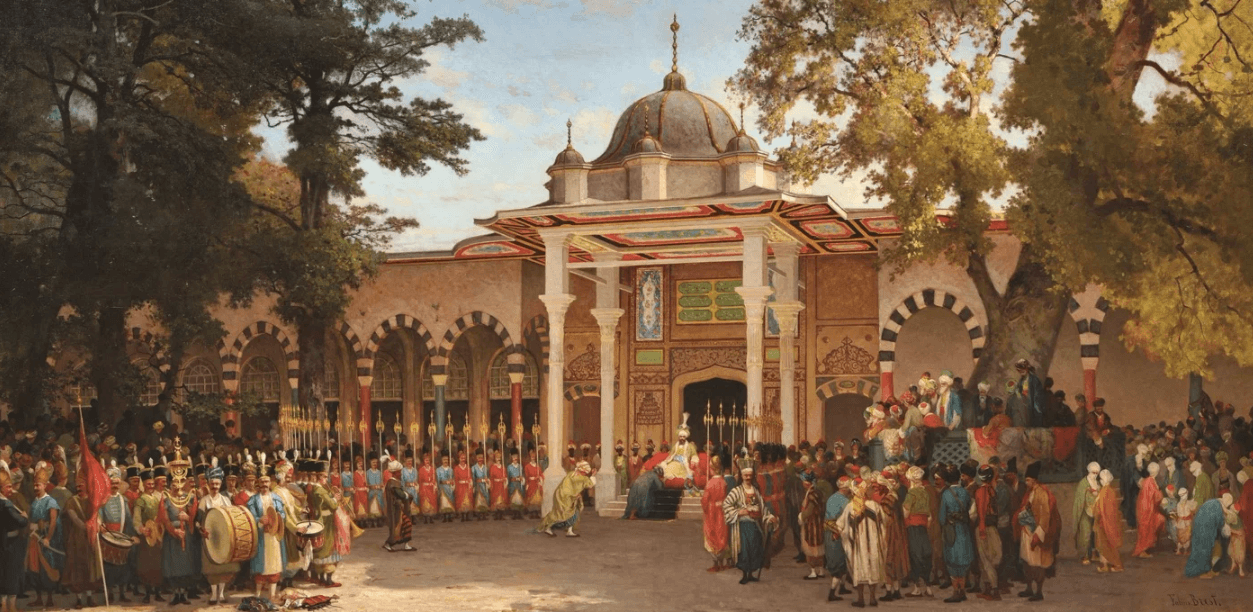
The celebration began on the eve of the festival, known as Arife. Preparations were carried out inside Topkapı Palace, where officials arranged the ceremonial throne near the Gate of Felicity. The palace itself was illuminated with torches and lanterns to mark the approaching holiday.
On the morning of Eid, the sultan first performed prayers in the palace mosque or near the chamber that preserved sacred relics of the Prophet Muhammad. Afterwards, he mounted a richly decorated horse and rode in a ceremonial procession to one of the imperial mosques—often Ayasofya or the Sultan Ahmed Mosque—to perform the communal Eid prayer.
The procession itself was a spectacle. Horses were adorned with jewels and gold, officials wore elaborate silk garments and jeweled turbans, and the Ottoman mehter military band accompanied the event.
After the prayer, high-ranking officials—including the Grand Vizier, scholars, and military commanders—approached the sultan to offer holiday greetings. In return, the sultan distributed gifts and sweets, reflecting both generosity and the hierarchical structure of the state.

The palace celebrated the festival officially and sumptuously. It was a matter of great seriousness and diligence as it was considered a way of tecdid-i biat (renewal of allegiance) and called muayede merasimi (ceremony to exchange Eid greetings). A great deal of attention was paid to the conduct of the ceremonies, to keeping the level of participation high, and to ensuring the attendance of the statesmen at these ceremonies. The statesmen were only exempt from ceremonies if they were seriously ill or dealing with state affairs; those in the provinces would send their Eid greetings to the sultan by post, and later by telegraph.
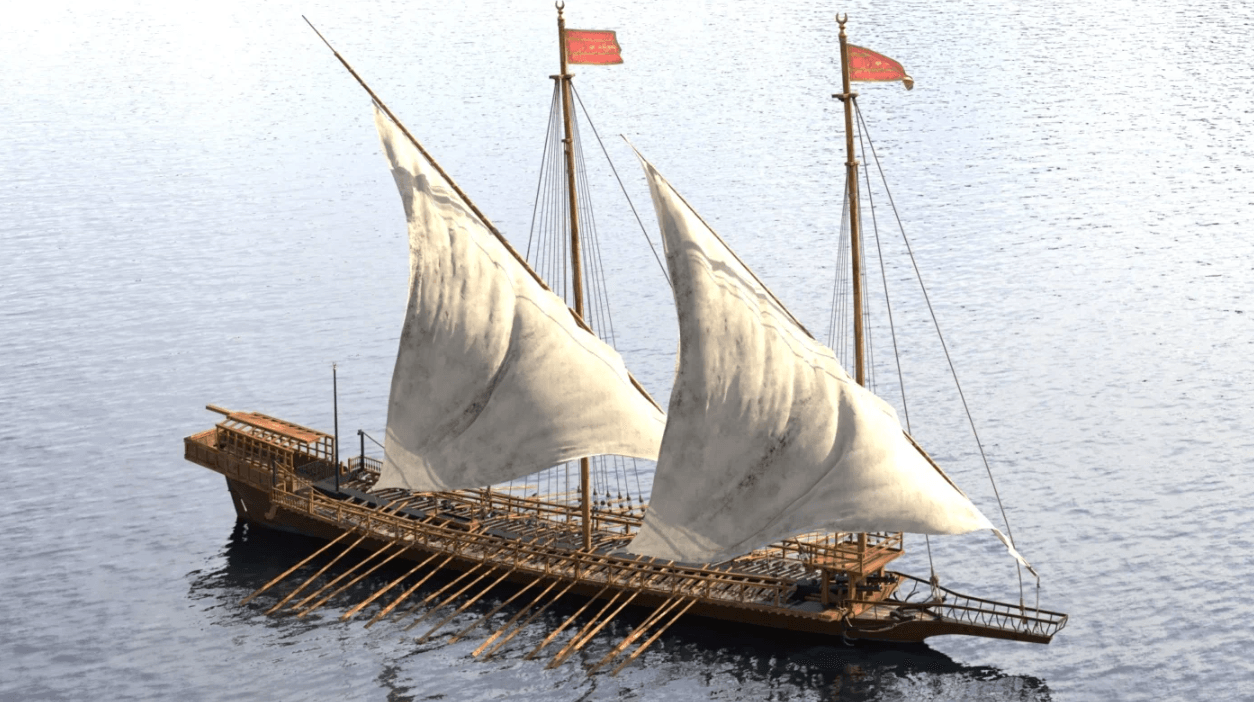
Cannons were sometimes fired from ships on the Bosporus to announce the festival to the city, turning the celebration into a public spectacle visible across Istanbul.
Charity played a major role in Ottoman Eid celebrations. Before the festival, muslims—including the sultan himself—distributed zakat al-fitr, the obligatory charity that concludes Ramadan. Donations of grain, dates, money, or food were given to the poor so that everyone could participate in the holiday. Soldiers and civil servants received holiday bonuses, while prisoners sometimes received sweets or even pardons.

Poor children were often given clothing and gifts, in line with the recommendations of the Prophet Muhammed (sas), sometimes in events organized in the presence of the sultan. These acts were meant not only as charity but also as demonstrations of the ruler’s benevolence toward his subjects.
Within households, the head of the family also distributed gifts to servants, workers, and dependents according to their status and years of service.
Outside the palace, Eid transformed Ottoman cities into vibrant festival spaces. People gathered early in the morning at large mosques or open prayer grounds known as musallas. After the prayer, the city came alive with visits among relatives, neighbors, and friends.
Many customs associated with Eid today either originated in or were strongly shaped by the Ottomans like wearing new clothes for the holiday (know as a “bayramlık”), visiting elders and kissing their hands as a sign of respect, giving children sweets or coins, decorating mosques with lights, large public prayers and neighborhood visits or sharing desserts and festive meals.
Children played an especially visible role. In some cities they carried decorated “holiday sticks” adorned with flags and small lanterns as they went from house to house offering greetings. Markets and public squares were also lively with performers such as musicians, magicians, and entertainers who staged shows for crowds. In the evenings, fairs and festivities sometimes continued late into the night in palace gardens or public squares, creating a carnival-like atmosphere.
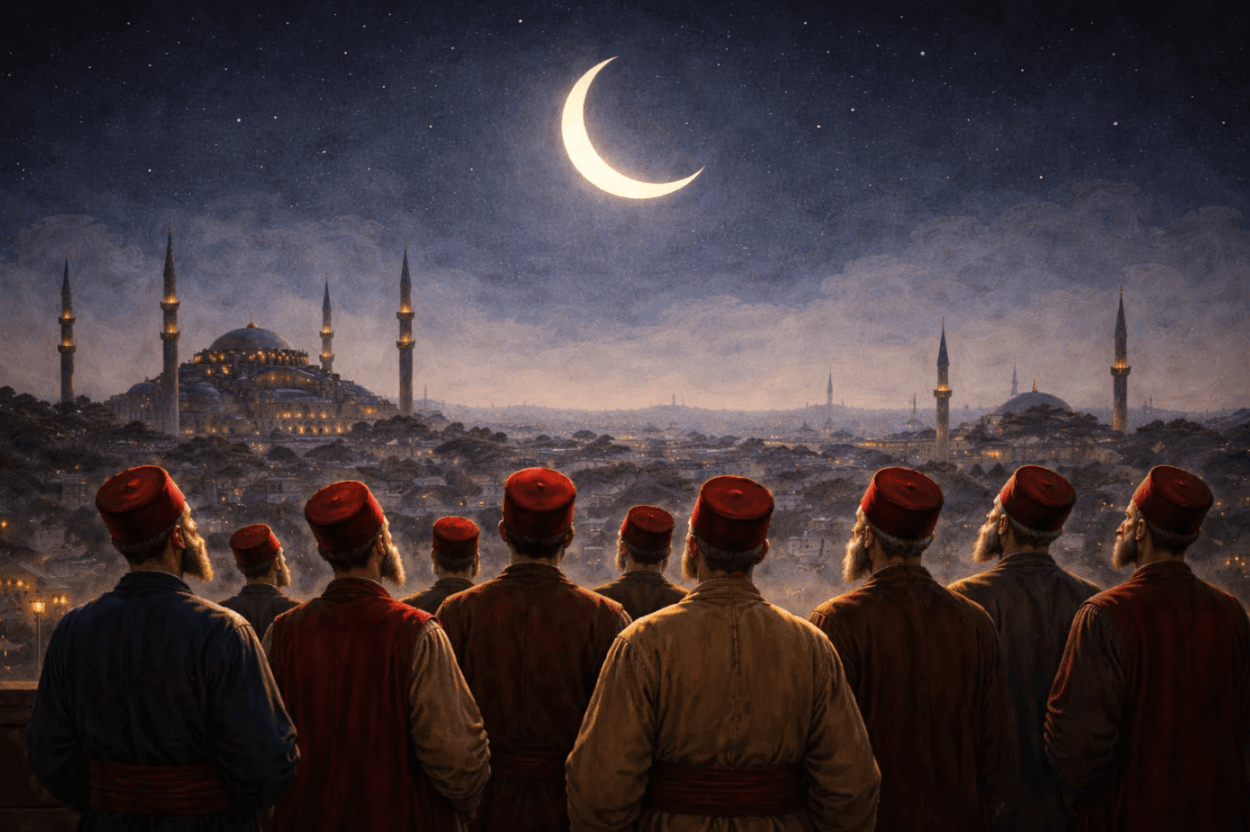
One of the most distinctive Ottoman Eid traditions was the tradition of mahya lights. Lamps were strung between mosque minarets to form illuminated words or images celebrating the holiday. These lights often displayed messages such as prayers or greetings and were visible across the skyline of Istanbul.
Visitors to the city described them as if “the stars had been brought down from the sky.”
Mahya displays remain a beloved tradition in Turkey today.
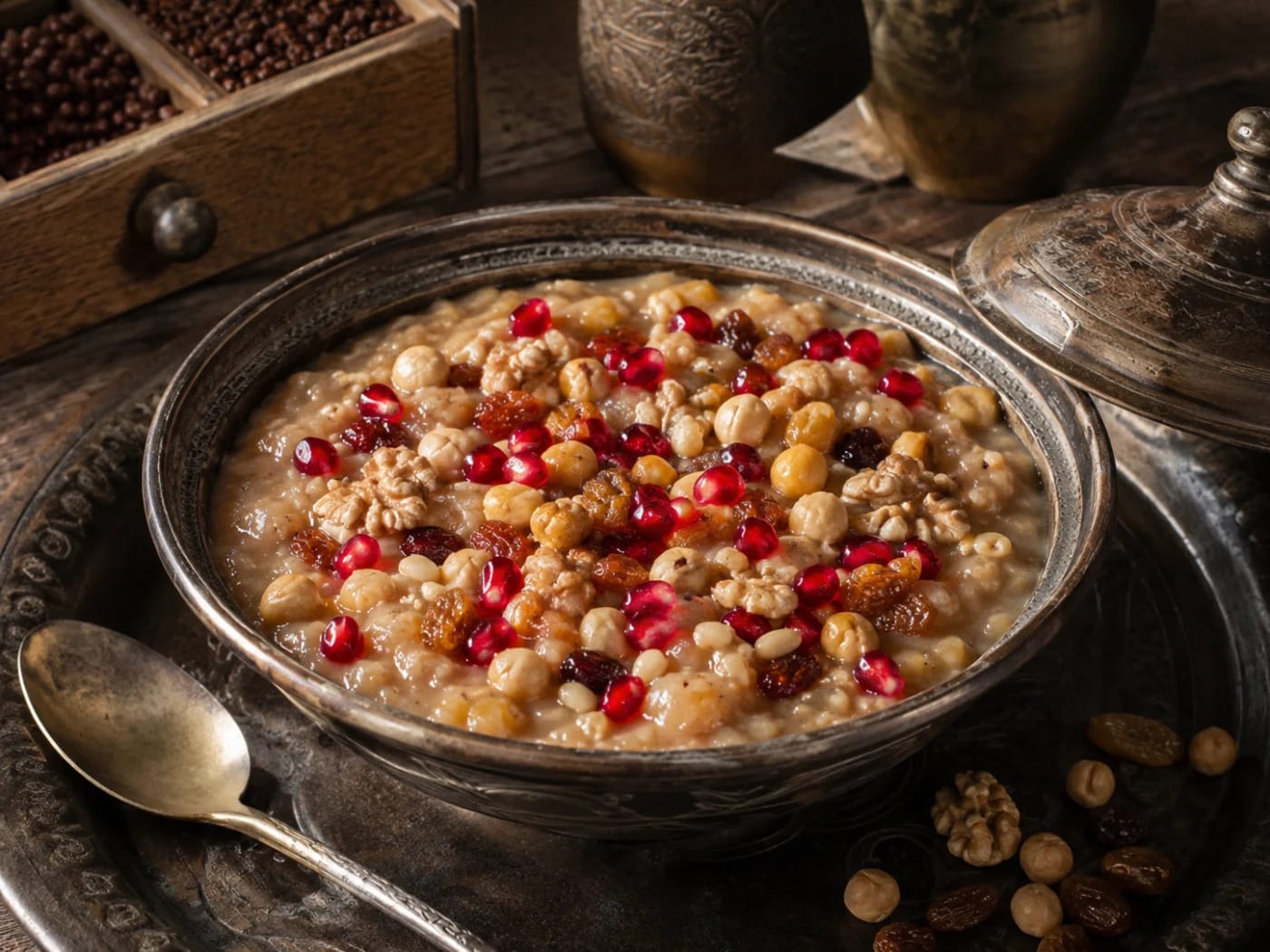
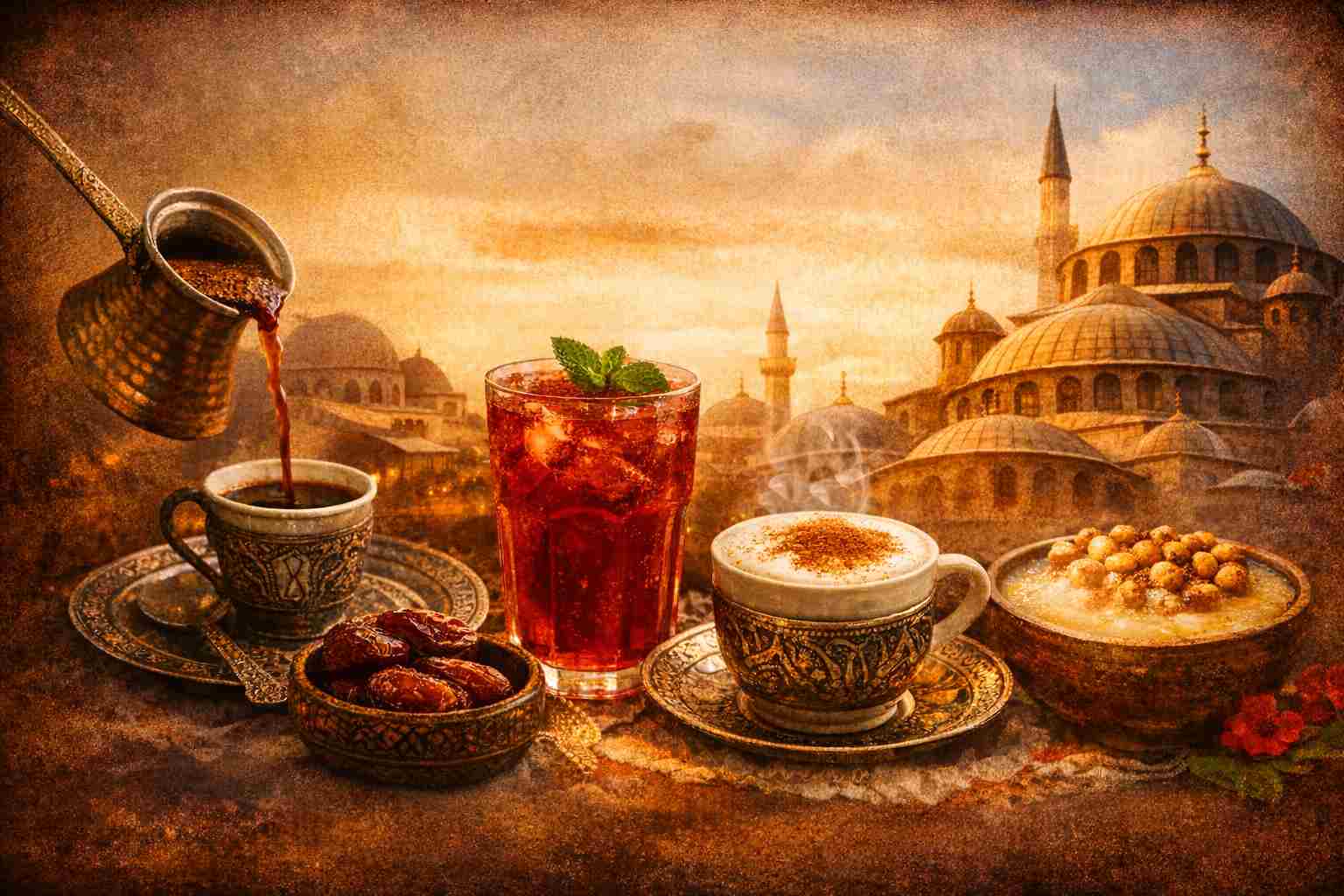
Because sweets were so widely exchanged during the festival, Eid al-Fitr became popularly known in Turkish as Şeker Bayramı, meaning “Sugar Feast.” Visitors to homes were traditionally offered sweets first and coffee afterward—a custom that still exists in many parts of the Muslim world.
Some historians say originally the holiday was referred to as “Şükür Bayramı” in other words “a holiday to be grateful.” The two words “şükür” (gratitude) and “şeker” (sugar) were spelled using the same characters in the Ottoman alphabet and thus in time, the meaning of the holiday was misconstrued. Other say the name comes from the Ottoman tradition of the palace offering trays of baklava to their soldiers.
Another common Ottoman practice was visiting cemeteries on the eve or morning of Eid. Families cleaned graves, recited the Qur’an, and distributed sweets or bread in memory of deceased relatives. In some places candles were even lit at graves to symbolize remembrance and spiritual connection.

Eid also strengthened neighborhood bonds. Entire districts organized communal celebrations, sharing food such as halva, bread, and sherbet with neighbors. Guilds, merchants, and craftsmen also participated by decorating streets and sometimes organizing festivities for the public.
The sultan’s participation was central to the symbolism of Eid. His public appearance during the procession and prayer demonstrated that he was not only a political ruler but also the protector of Islam and leader of the Muslim community. The careful choreography of ceremonies—greetings, gift distribution, and processions—reinforced loyalty to the state.
Some sultans were particularly known for generous holiday celebrations. During certain reigns, public entertainments, athletic competitions, and wrestling matches were organized in palace gardens to entertain guests and subjects.
The festival served not only as a religious observance but also as a moment when the empire’s political authority, social hierarchy, and communal spirit were publicly reaffirmed.
More information about Ottoman ceremonies you can find here: https://istanbultarihi.ist/458-public-ceremonies-in-ottoman-istanbul