
The Ottoman Empire’s relationship with Africa represents one of the most complex and often misunderstood chapters in both African and Islamic history. Contrary to simplistic narratives that paint the Ottomans as inherently racist, a closer examination reveals a sophisticated system where Africans rose to positions of immense power, influence, and authority across the empire. This history challenges modern assumptions and reveals a more nuanced reality of race, power, and opportunity in the early modern world.
Early Ottoman-African Relations: Diplomacy and Exchange
The Ottoman Empire’s first significant engagement with Africa came through diplomatic missions rather than conquest.
In 1574, an extraordinary embassy from the Bornu Empire (located in modern northeastern Nigeria) arrived in Istanbul after traveling more than 4,000 kilometers. This historic visit by the Bornu delegation, led by scholar El-Hajj Yusuf, marked the beginning of sustained diplomatic relations between the Ottomans and Sudanic African kingdoms.
[/et_pb_text][et_pb_image src=”https://royalottomans.com/storage/the-ottoman-empire-in-africa-beyond-racism.webp” _builder_version=”4.27.6″ _module_preset=”default” theme_builder_area=”post_content” title_text=”the ottoman empire in africa beyond racism” hover_enabled=”0″ sticky_enabled=”0″][/et_pb_image][et_pb_text _builder_version=”4.27.6″ _module_preset=”default” global_colors_info=”{}” theme_builder_area=”post_content”]The Bornu embassy demonstrated the Ottomans’ willingness to engage with African states as equals. Sultan Murad III responded by sending his own delegation to Bornu’s capital at Ngazargamu in 1578. These exchanges were not merely ceremonial, they involved serious negotiations about trade routes, territorial disputes in the Fezzan region of southern Libya, and military cooperation. The Bornu chronicles of the period reveal the respect these African rulers commanded, with the chronicler Aḥmad ibn Furṭū writing that “all sultans are inferior to the Bornu sultan” when describing the Ottoman delegation’s reception.
Military Leadership: African Generals and Commanders
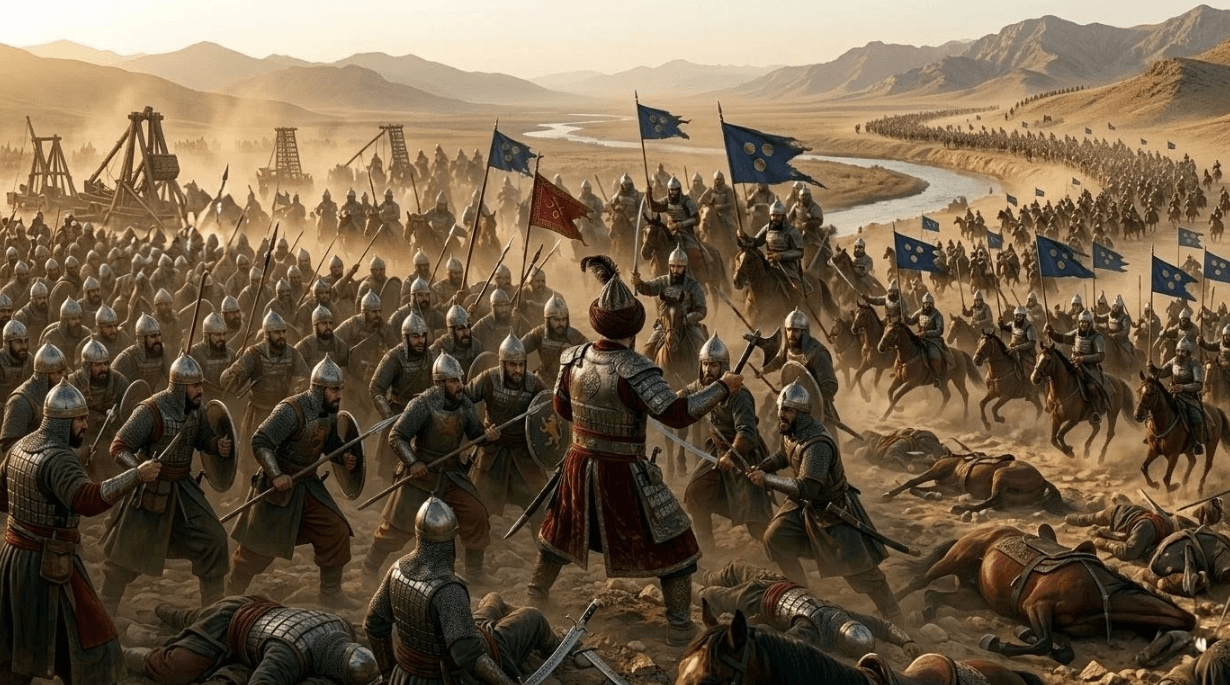
One of the most powerful rebuttals to the racist narrative is the prominence of Africans in Ottoman military leadership. Unlike the racial segregationist practices of European empires, the Ottomans regularly appointed Africans to high military commands and strategic positions.
Hadji Besher (1657-1746) stands as perhaps the most remarkable example of African power in the Ottoman Empire. As Chief Eunuch of the Ottoman imperial court for an unprecedented 29 years, Besher wielded authority that rivaled that of the Ottoman grand vizier himself.
Historical records show that he had the power to “choose viziers and dismiss those he didn’t want to work with,” effectively controlling the appointment of the empire’s highest officials.
What makes Besher’s story particularly compelling is that he emerged from the brutal system of the trans-Saharan slave trade. Torn from his home in Abyssinia (modern Ethiopia) as a young boy, he survived castration—performed by slave traders, not the Ottomans—and rose to become one of the most influential figures in the empire. His influence extended far beyond the palace walls:
- He supervised imperial religious patronages in Medina and Mecca
- Sponsored libraries and Qur’an schools throughout the empire
- Actively promoted Sufi orders during a period when puritanical movements sought to suppress them
- Built mosques, libraries, inns, and madrasas in Bursa, Izmir, Egypt, Romania, Mecca, and Istanbul
- Established the empire’s first paper mill
- Left behind a vast collection of books preserved in the Suleymaniye Library in Istanbul
Professor Jane Hathaway describes him as “a Sunni Muslim master, a statesman, a Sufi, and a book lover who came to the Ottoman palace as a gelding slave” yet left an indelible mark on history. His architectural legacy still stands in Istanbul today, including the Haji Bashir Agha Mosque built in 1745 and numerous fountains throughout the city.
Religious Authority: African Scholars and Religious Leaders
The Ottoman Empire provided unprecedented opportunities for Africans to rise to positions of religious authority and scholarly prestige. Unlike European colonial powers that often denigrated African intellectual traditions, the Ottomans recognized and promoted African scholarship.
Ahmad Idrìs al-Sinnàrī (b. 1746) exemplifies this intellectual mobility. Born in the Funj kingdom (modern Sudan), al-Sinnàrī traveled extensively for his education, moving through Yemen and Egypt before settling in Istanbul and Aleppo. His journey represents the interconnected intellectual networks that bound the Ottoman Empire to Sudanic Africa.
Similarly, Ali al-Qus (b. 1788) from the Funj region studied at Al-Azhar in Cairo before embarking on extensive travels that took him through Syria, Crete, the Hijaz, Yemen, and Istanbul. These scholars maintained connections to their homelands while contributing to the broader Islamic intellectual tradition within the Ottoman framework.
During the 19th century, Muhammad Salma al-Zurruq (b. 1845) from Djenne (modern Mali) represents the continuing intellectual exchange. Born into a chiefly family, al-Zurruq traveled extensively, visiting Istanbul where he met Muhammad Zhafir al-Madani, son of the founder of the influential Madaniyya Sufi order. Through his connections, he obtained travel documents guaranteeing safe passage through Ottoman territories, demonstrating the respect and authority Africans commanded within the imperial system.
Administrative Excellence: African Governors and Officials
The Ottoman Empire’s administrative system provided pathways for Africans to govern provinces and manage imperial affairs. Unlike the racial barriers that prevented advancement in European colonial systems, the Ottomans appointed Africans to significant administrative positions.
In the eastern Sahara and the Lake Chad basin, Ottoman officials maintained complex relationships with African rulers. The empire sent special commissioners and governors who worked alongside local leaders, creating a system of indirect rule that respected African political structures while maintaining Ottoman suzerainty.
During the reign of Sultan Abdul Hamid II (1876-1909), the Ottomans intensified their engagement with African rulers as part of their pan-Islamic strategy. Abdul Hamid, who presented a remarkable collection of Ottoman Turkish, Persian, and Arabic works to the Library of Congress in 1884, actively sought alliances with African Muslim leaders. The sultan’s foreign policy emphasized his role as Caliph of all Muslims, and he extended honours and recognition to prominent African figures.
The empire’s administrative records show that African officials were regularly appointed to oversee provinces, manage trade routes, and represent Ottoman interests in various African territories. These appointments were based on merit and loyalty, not racial background.
Economic Partnership: African Traders and Entrepreneurs
Economic relations between the Ottomans and Africans were characterized by partnership rather than exploitation. While the trans-Atlantic slave trade involved racial chattel slavery, the Ottoman system—though involving its own abuses—provided more opportunities for manumission and advancement.
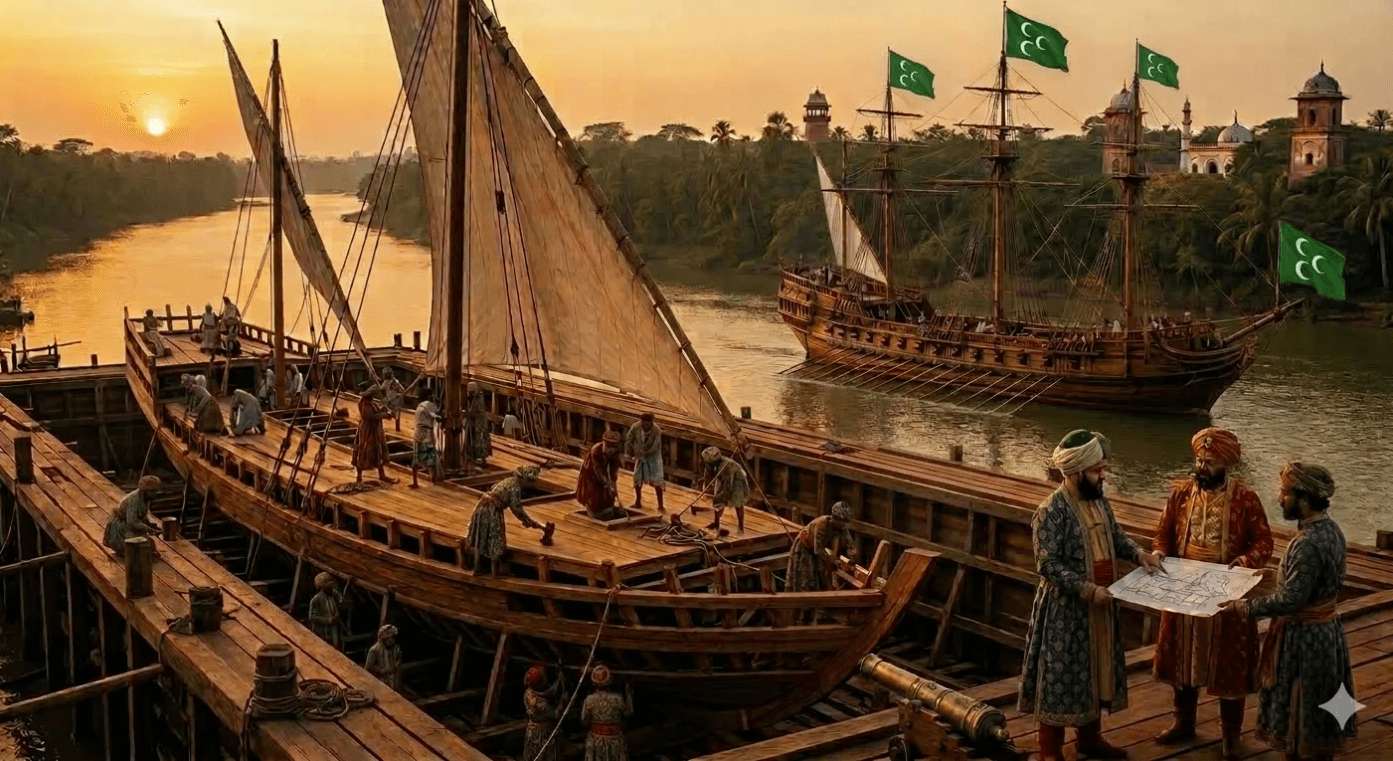
African merchants operated throughout the Ottoman Empire, establishing trade networks that connected Mediterranean markets with sub-Saharan African gold, ivory, and slave markets. Unlike the European colonial system that extracted resources without local benefit, Ottoman-African trade involved mutual exchange and profit-sharing.
The economic system also allowed for social mobility. Many Africans who entered the empire as slaves were able to purchase their freedom, establish businesses, and accumulate wealth. Some became successful merchants and entrepreneurs, contributing to the economic development of Ottoman cities.
Cultural Exchange and Mutual Influence
The relationship between the Ottomans and Africans was not merely political or economic—it was deeply cultural. African influences enriched Ottoman art, music, cuisine, and language, while Ottoman administrative practices and Islamic scholarship transformed African societies.
Cultural exchange occurred at multiple levels:
• Art and Architecture: African artistic traditions influenced Ottoman decorative arts, while Ottoman architectural styles were adopted in African cities.
• Religious Practices: Ottoman promotion of Sunni Islam spread through African territories, while African Sufi traditions contributed to the diversity of Ottoman religious life.
• Intellectual Exchange: African scholars contributed to Ottoman intellectual life, while Ottoman educational institutions trained African students who returned to their homelands as leaders.
Challenging the Colonial Racist Narrative
The Ottoman Empire’s relationship with Africa challenges several key assumptions about racial hierarchy in the early modern world:
- Meritocracy Over Racism: The Ottomans promoted individuals based on merit, loyalty, and ability, not racial background. Africans rose to the highest positions in the empire through demonstrated excellence.
- Multiple Pathways to Power: Unlike European systems that limited opportunity based on race, the Ottomans provided multiple pathways, military, religious, administrative, and economic, for Africans to advance.
- Cultural Respect: The Ottomans recognized African intellectual traditions and cultural contributions, rather than dismissing them as inferior.
- Religious Unity: The Islamic framework provided a basis for unity that transcended racial divisions, creating a more inclusive system than European colonial empires.