Social Welfare

One of the reasons the Ottoman Empire lasted for 600 years was the foundation system. It cared for the sick, the poor, the homeless, and animals. The Ottoman social welfare network was very developed.
VAKIF – Charitable Systems of the Ottoman Empire
IMARETS
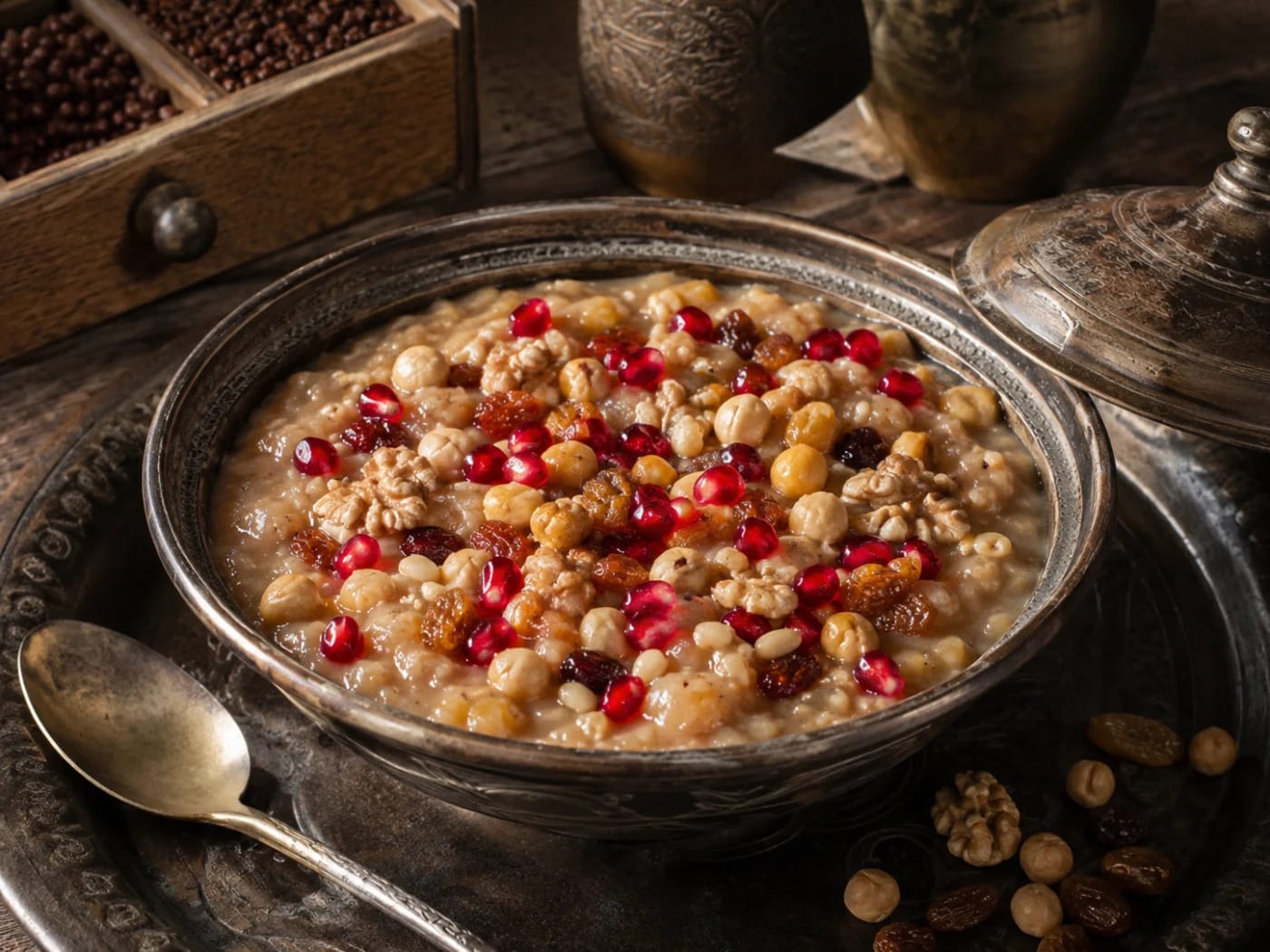
The Ottoman soup kitchen system. An imaret (soup kitchen) was located next to the large mosques. Here, free meals were distributed twice a day, morning and evening. Everyone could get food from the imaret. The large imarets in Istanbul distributed food to 3000 or 5000 people a day. The imaret in the Fatih Kulliyesi (Fatih Complex) distributed food to 4000 people each day. The Süleymaniye imaret was even larger, distributing food to 5000 people a day. Imarets existed not only in Istanbul, but also in Bursa, Edirne, Konya, and every major city. Meals consisted of meat, rice, soup, bread, dessert, and rice pilaf. The menu was especially enriched on Fridays and Ramadan. Tens of kilos of meat, tons of rice, and kilos of vegetables were distributed.
The expenses of the imarets (public kitchens/soup kitchens) were covered by endowments.
Before death, a wealthy person would donate their lands, income, and properties as an endowment. These endowments would operate the imarets. The imarets would continue to operate for hundreds of years until the endowment’s income ran out. Some endowments set conditions, only providing them to students.

Bird Hospitals
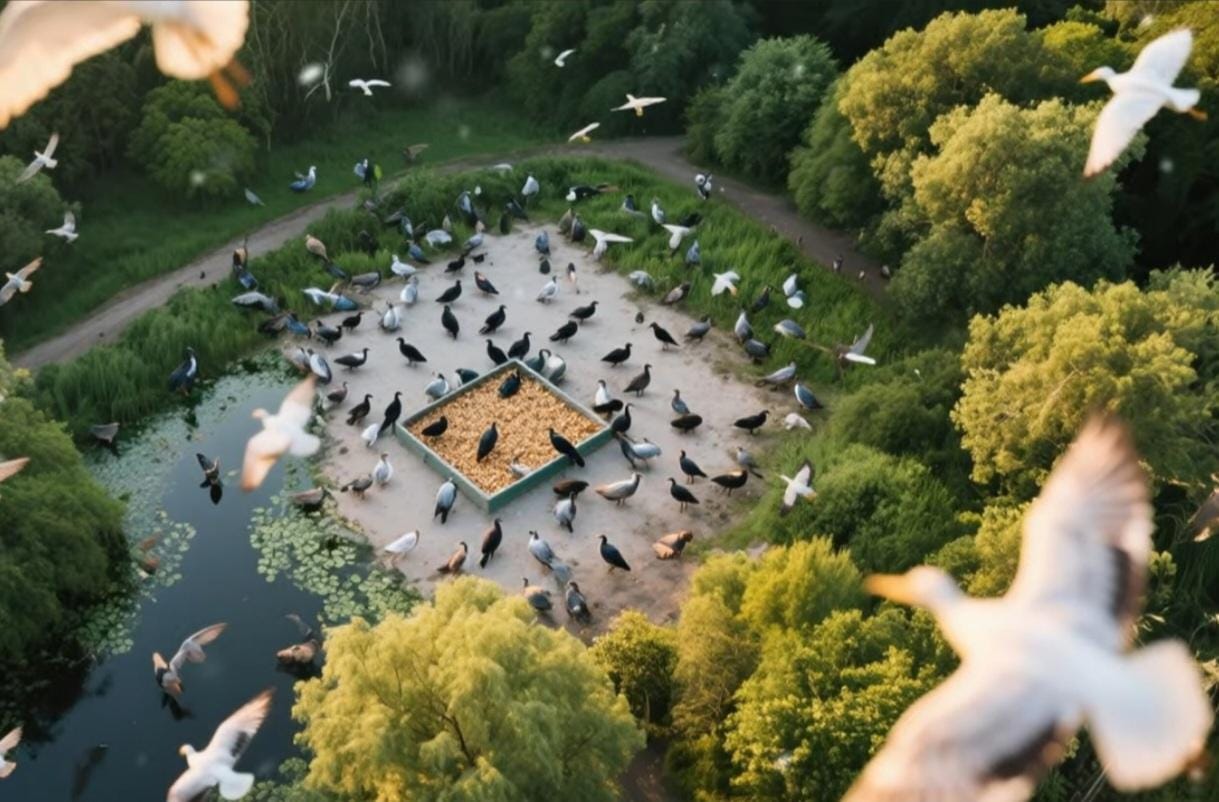
Animal hospitals in the Ottoman Empire, not only for horses but also for birds. Sick storks, pigeons, and sparrows were cared for. The birds were treated until they recovered and then released back into nature. A similar system existed in the garden of the Sultan Beyazid Complex in Istanbul. There were special feeding areas for migratory birds. Nest platforms were built on rooftops for storks. The foundation covered all expenses. They were cared for until veterinarians treated them.
Wheat and barley were scattered for them during the winter months after they released back into nature. The Nalbant Foundation treated sick or injured horses found on the street.
CATS in ISTANBUL
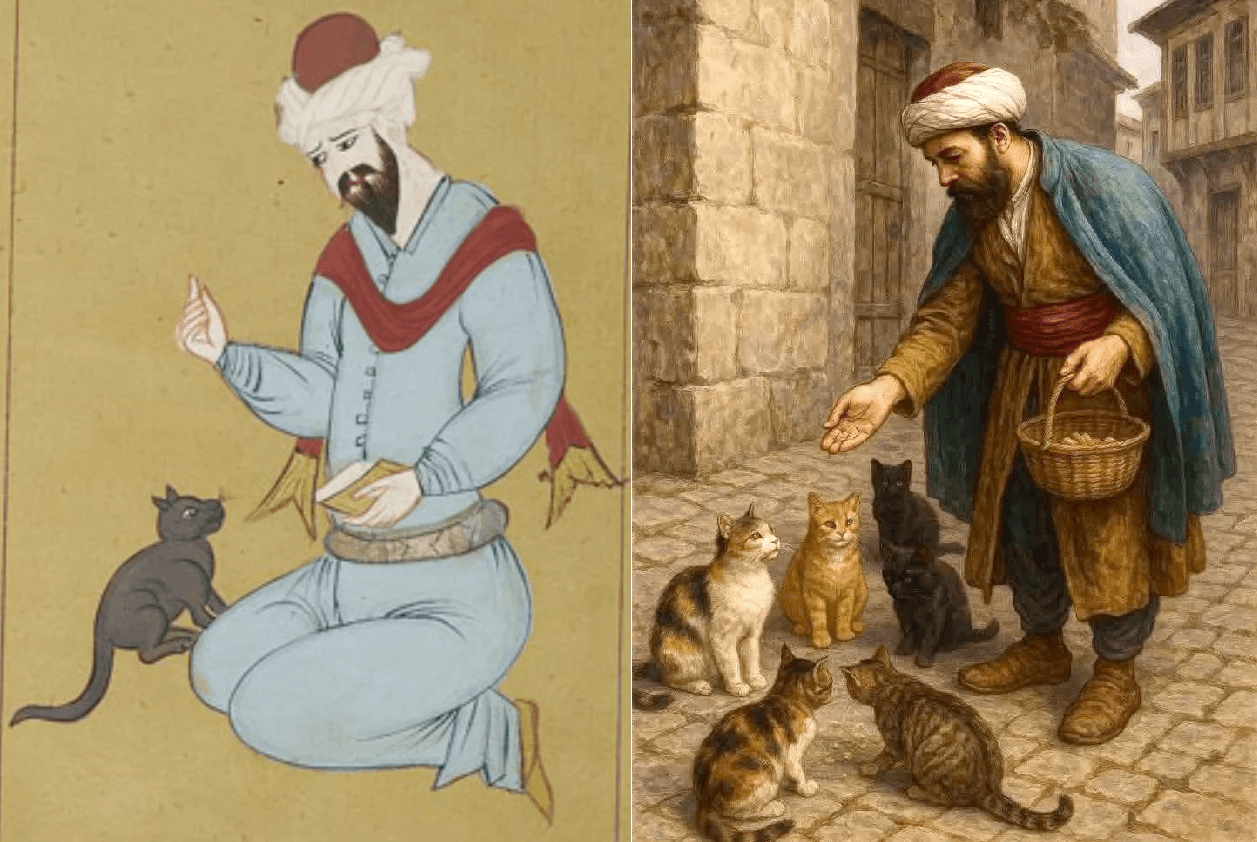
Foundations established for street cats in Istanbul ensured food was distributed to the cats. Food was placed in certain places every day. Some foundations even hired cat caretakers. Compassion was shown to animals.
Fountain Foundations
Fountains were protected and built by the foundation. Everyone could take as much as they wanted. Most of the fountains were architectural masterpieces. Carved from marble and decorated with inscriptions. Great care was taken to ensure the water was clean. The water for the fountains was brought from sources outside the city via special channels. The arches and aqueducts were architectural projects. Each fountain foundation had its own employee, the fountain keeper. This person ensured the fountain remained clean, the water flowed, and any damage was repaired.
Some fountains were reserved for special groups. Horse fountains were only for animals to drink from. Along intercity roads, fountains were built every few hours’ walk so that travelers wouldn’t go thirsty. Some fountains had resting areas or even small khans (han) next to them.
A FOUNDATION TO HELP DEBTORS
One of the most famous debt-collecting foundations was the Bezmi Alem Valide Sultan Foundation. Every year, foundation would pay off the debts of debtors and provide financial support. The foundation had a special commission. It not only paid off the debt but also gave the person a certain amount of money which provided as capital support.
Dowry Foundations
Some families could not afford to marry their daughters. Foundations would provide dowry assistance to the daughters of poor families. Sometimes money was given, and the family would do the shopping themselves. Sometimes a dowry package was prepared directly. If the daughter was an orphan or without family, the marriage ceremony would be organized by the foundation.
School and Madrasa Foundations
In the Ottoman Empire, education was mostly free. Children learned to read and write in neighborhood schools. They received advanced education in madrasas. All expenses were covered by foundations. This included teacher salaries, building maintenance, books, paper, and pens. Some foundations went even further, providing scholarships to poor students. This included a monthly allowance, clothing assistance, and sometimes dormitory facilities. If a child was talented, the foundation would guarantee their education. The Suleymaniye Complex was a complete educational campus: a Madrasa (Religious school), library, imaret (soup kitchen), and dormitory. A student would enter, study there for years, and all their needs would be met. They would not pay anything until graduation.
Library Foundation
Book collections of wealthy families were opened to the public after their death. Books could be borrowed, not just for reading. Some foundations provided education in specific subjects. There was a foundation for medical education, a foundation for mathematics education, a foundation for astronomy education. Special foundations were established for subjects of personal interest to the Sultans. Talented students were sought out and supported. There were also educational foundations for women. Wealthy ladies established foundations for the education of girls, and organized classes from the neighborhood. Teachers usually came to the house to give lessons. The Suleymaniye Complex was a complete educational campus.
Guest House and Khan Foundations
During the Ottoman period, journeys were long. For journeys lasting days or even weeks, where would one stay each night? Khan foundations solved this problem. Khans(Han) were built at certain intervals along intercity roads. Travelers could stay there for free, and food was also provided. Shelter was provided also for animals. Khans were more developed on major trade routes; they were called Caravanserais. Hundreds of people could stay at the same time. Inside the khans, there were Mosques and markets. One could stay for days in a caravanserai. Sultan Han, near Aksaray on the Silk Road, was a true masterpiece. Two-story, 90 rooms, a central courtyard with magnificent gates. Merchants could safely store their goods.
Everyone stayed for free. Horses and camels were also kept. There were also guesthouses in the city, especially next to large complexes. A newcomer to the city could stay for free for the first three days. Food was also provided. They were expected to find a job and rent a house within three days. If they couldn’t, the foundation would provide further assistance.
Hajj Guesthouses
There were special guesthouses for pilgrims. The Hajj journey was difficult. Pilgrims returning from the Holy Land would stay in these guesthouses.
There were Hajj guesthouses in Istanbul, Bursa, and Damascus.
The Darulacaze System
In the Ottoman Empire, elderly, sick, and homeless people did not end up on the streets. The Darulacaze system protected them. Similar to today’s nursing homes, but completely free, it operated through a collaboration between the state and foundations. The Darulacaze in Istanbul was established in the 19th century, but similar institutions had existed for centuries. Alongside soup kitchens, care homes, rest areas for the sick, and guest houses for the elderly all served the same purpose: to prevent anyone from dying on the streets. Anyone could enter to Darulacaze; the elderly, the sick, the mentally ill, regardless of religion, language, or race. Residents were provided with three meals a day. Clean beds and clothes were provided. Those who were ill received treatment. Private doctors worked there, medicines were free. Funeral expenses were also covered in case of death. Some Darulacazes were exclusively for women. In the Ottoman Empire, if a woman lost her husband or had no family, she could not remain on the streets. The Darulacaze was her home; she would stay there until her death. Nothing was paid for. The Ottomans protected the helpless centuries ago. Perhaps the systems weren’t perfect, but the intention was clear: no one should be left alone.
Patient Care Foundations.
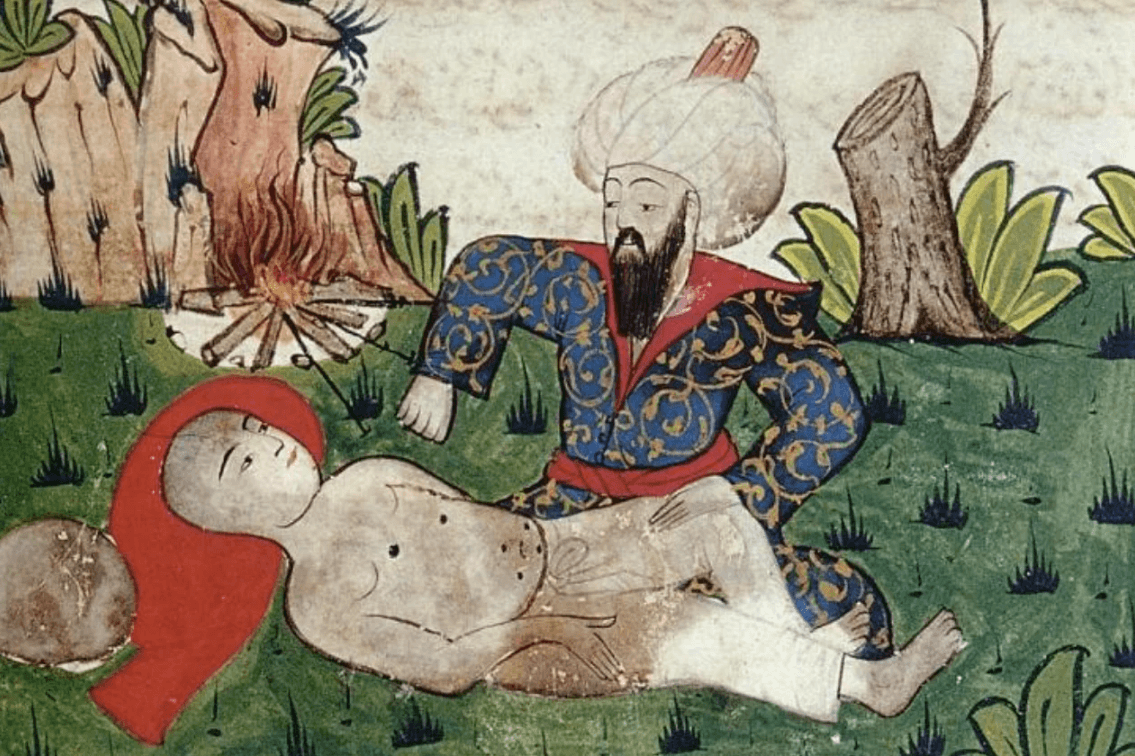
The Ottomans had hospitals, but they weren’t sufficient. Many patients stayed at home and were treated at home. These foundations would go from neighborhood to neighborhood, identifying those who were ill. Doctors would be sent, and medicine would be provided. If there was a sick person at home, food would be sent. If there was no one to care for the patient, a caregiver would be sent from the foundation. The most famous patient care foundation was the Haseki Sultan Foundation. During plague epidemics, these foundations were lifesavers. The foundations would deliver food, water, and medicine.
There was special care for the mentally ill. In the Ottoman Empire, therapy was done with music, water, and pleasant scents.
The secret to the Ottoman Empire’s 600-year survival wasn’t just a strong army or diplomacy. The waqf (endowment) system held society together.
The poor didn’t go hungry. The sick didn’t go without treatment. The homeless didn’t end up on the streets.
There was a solution for everyone, rich or poor. No one should be left alone and no one was to be left alone.