Introduction: An Imperial History Often Told Halfway
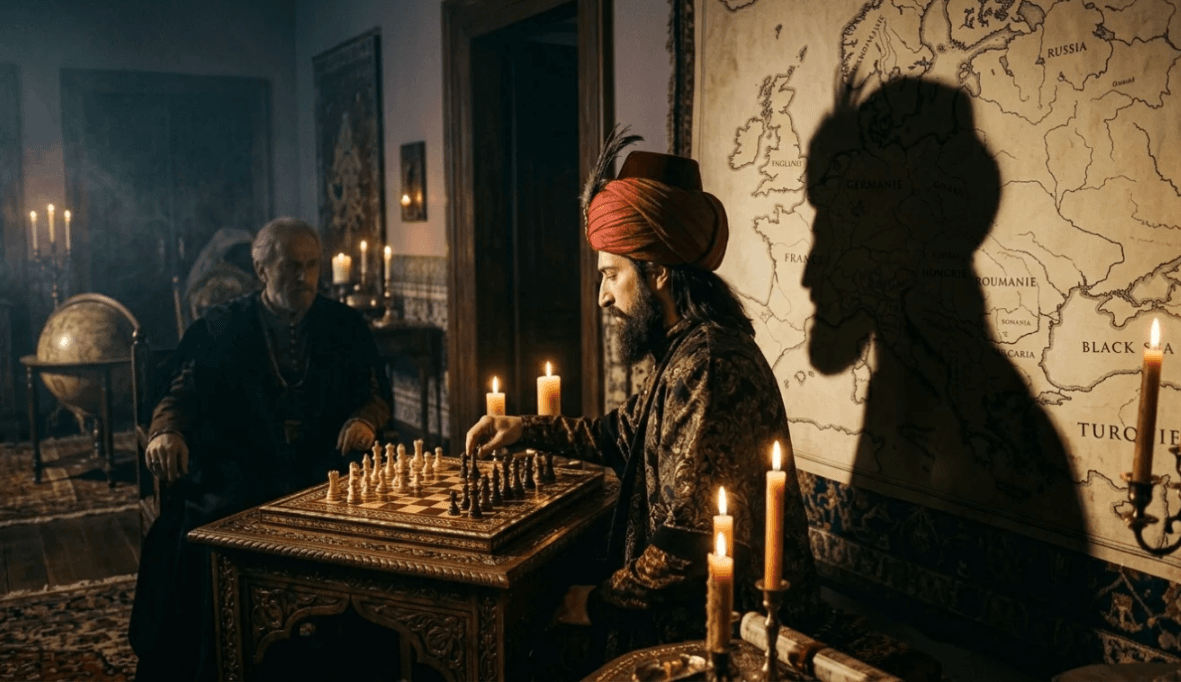
In the countries that emerged from the dissolution of the Ottoman Empire, centuries of imperial history are often reduced to a few pages, mostly interpreted as a period of foreign domination and oppression. This approach, developed in the 19th and 20th centuries within the context of nationalism and state-building processes, favored a reading of the past oriented toward national independence, at the expense of a structural understanding of the imperial experience.
Was it really like that? Can the Ottoman Empire be described solely as an oppressive foreign power? This article addresses these questions through the case study of the Albanian population, which provides a privileged perspective for challenging reductionist narratives. Ottoman sources and modern historiography show that Albanians were not passive subjects of imperial rule but active participants in the political, military, administrative, and cultural structures of the Empire.
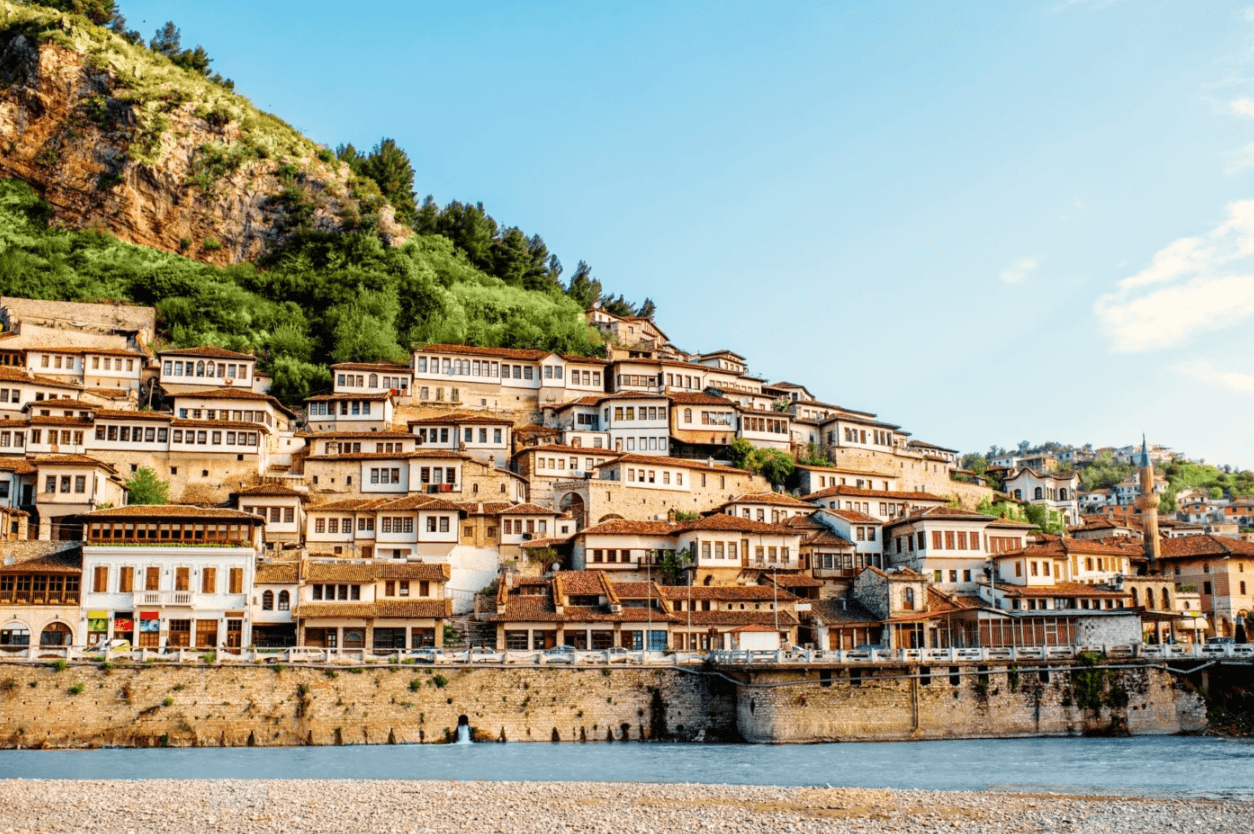
Walking today through the historic centers of Berat, Gjirokastër, or Prizren means passing through an urban space largely shaped during the Ottoman era. Mosques, bazaars, bridges, residential neighborhoods, and charitable foundations (vakıf) are not just architectural remains but material evidence of the local elites’ direct involvement in the imperial project.

Abstract
This article analyzes the role of Albanians within the Ottoman Empire and the legacy left by this long historical experience in areas inhabited by Albanian populations. Using Ottoman sources and modern historiography, the study reconstructs the presence of Albanians in the political, military, and cultural leadership of the Empire, highlighting their significant contribution to the construction and functioning of the Ottoman state. The Ottoman legacy, still visible today in urban planning, material culture, and social practices, is interpreted as a major historical and cultural asset.
- Albanians in the Ottoman Imperial System
Contemporary historiography has progressively moved beyond the image of the Ottoman Empire as a rigidly oppressive structure, recognizing it instead as a flexible imperial system capable of integrating diverse populations through the co-optation of local elites, social mobility, and a merit-based bureaucracy. In this context, Albanians (Arnavutlar in Ottoman sources) emerged as one of the most visible and influential groups between the 15th and 19th centuries.
Their presence was not limited to territories historically inhabited by Albanians but extended to the Empire’s decision-making centers and more distant provinces, demonstrating the imperial mobility that was a structural element of the Ottoman state.
- Ottoman Sources and the Perception of Albanians
An important testimony on the Ottoman perception of Albanian provinces is provided by Evliya Çelebi’s Seyahatnâme. In his accounts of cities such as Shkodër, Elbasan, Berat, and Prizren, Evliya describes a population with a strong local identity, high aptitude for military and administrative careers, and a natural ability for leadership. Although literary in nature, the Seyahatnâme reflects a widespread perception among Ottoman elites: Albanians were considered a strategic resource for the Empire.
- Albanians in the Political and Military Elite
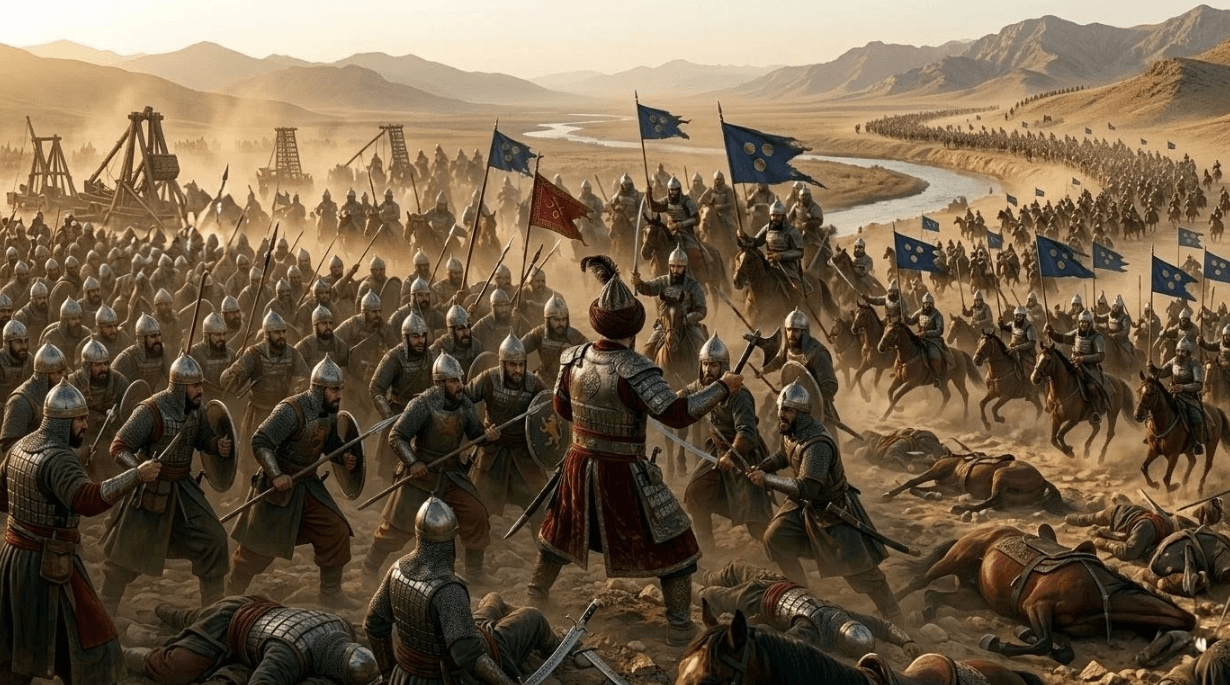
From the 15th century onward, many Albanians reached the highest offices of the Ottoman state, contributing directly to its expansion, administration, and stabilization. Ottoman sources and modern historiography indicate that more than thirty Grand Viziers of the Ottoman Empire were of Albanian origin, highlighting the structural importance of Albanian elites at the top levels of imperial governance. Among the earliest figures is Iljaz Mirahori (İlyas Bey Mirahor), an officer active in the late 15th century, traditionally associated with the urban foundation of Korçë. Through the establishment of mosques, markets, and charitable foundations, Mirahori contributed to the formation of an urban center that played a significant role in the following centuries.
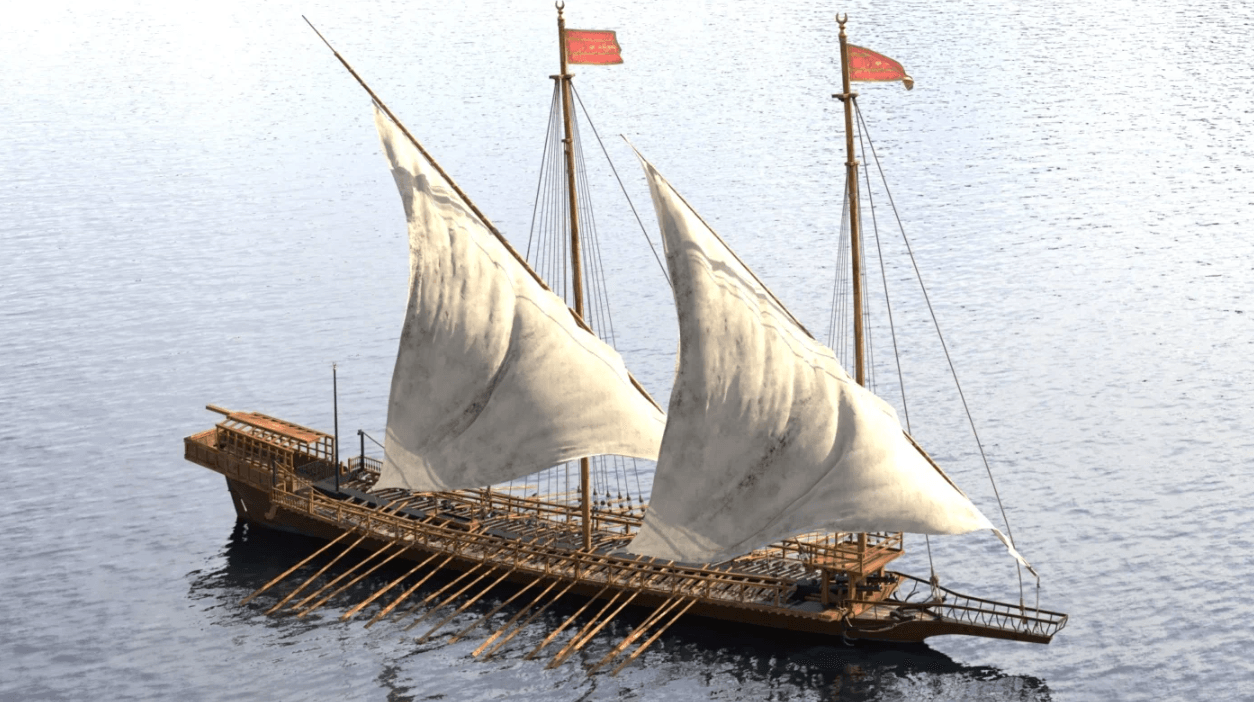
In later centuries, prominent figures emerged, such as Köprülü Mehmed Pasha, founder of a Grand Vizier dynasty; Koca Sinan Pasha, multiple-time Grand Vizier and commander of major military campaigns; Khayr ad-Din Pasha, who turned the Ottoman navy into a superpower, Kemankeş Kara Mustafa Pasha; and Ali Pasha of Tepelena, governor of Ioannina. These careers demonstrate how Albanian elites were integral to imperial governance.
- Women, Dynasty, and Power Networks
Although Ottoman sources rarely indicate the ethnic origin of women in the imperial harem, historical research suggests that women from the western Balkans, including Albanian regions, reached the highest levels of dynastic power. Figures such as Gülbahar Hatun and Hafsa Sultan played a central role in dynastic continuity and the patronage of religious and urban works, showing that provincial influence extended even into informal spaces of power.
- Language, Culture, and Intellectual Production
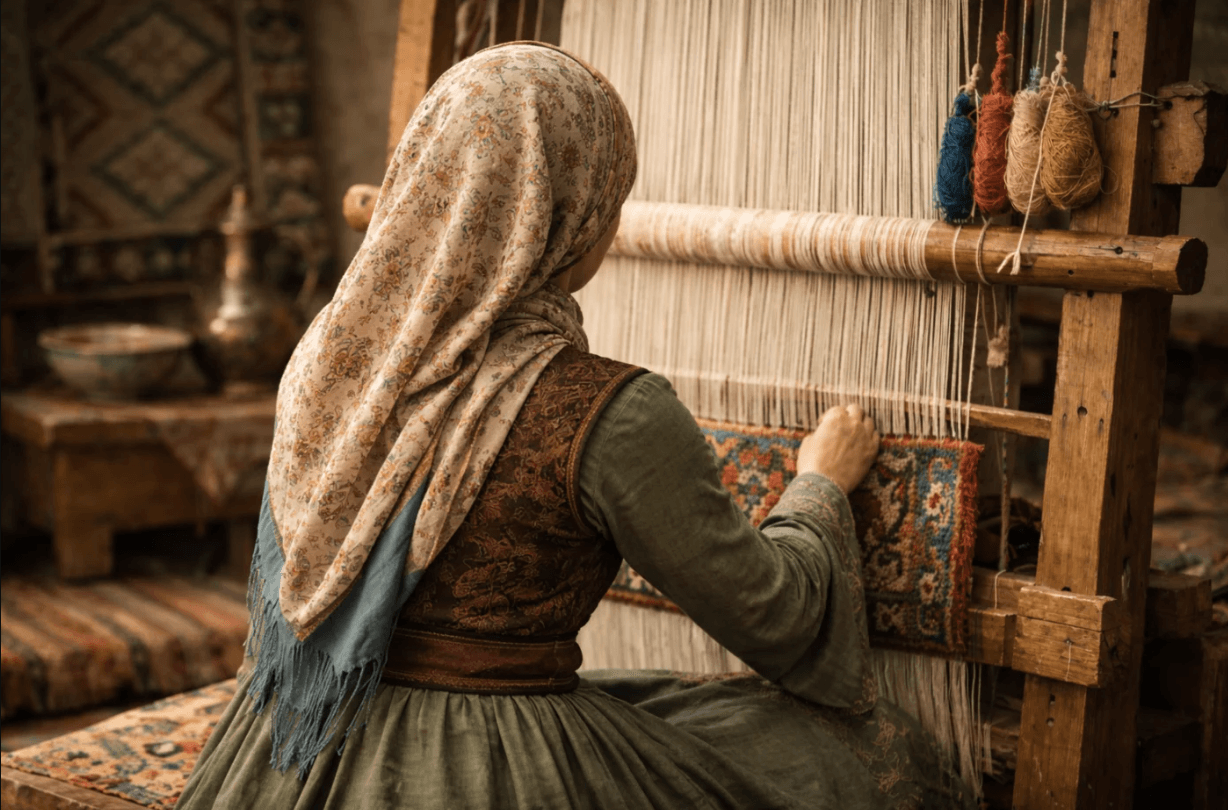
The Ottoman experience left a deep imprint on the language and culture of Albanian territories. Numerous Ottoman terms entered the Albanian lexicon in administration, urban life, and craftsmanship. In this context, the work of Sami Frashëri (Şemseddin Sami), a 19th-century Albanian Ottoman intellectual, is especially significant. He authored major encyclopedic and linguistic works that were central to Ottoman intellectual life and played a foundational role in the development of Albanian linguistic and cultural thought.
- Ottoman Urbanism in Albanian-Inhabited Territories
Cities in Albanian territories preserve a particularly significant Ottoman urban heritage. Tirana, founded in 1614 by Sulejman Bargjini, was established as an urban center following Ottoman models. Berat and Gjirokastër, today UNESCO World Heritage sites, represent emblematic examples of Ottoman architecture. Prizren, Peja, and Tetova retain particularly intact Ottoman urban fabric, while Ioannina, under Ali Pasha’s rule, became an important administrative and cultural center.
- Imperial Mobility and Extra-Balkan Projection
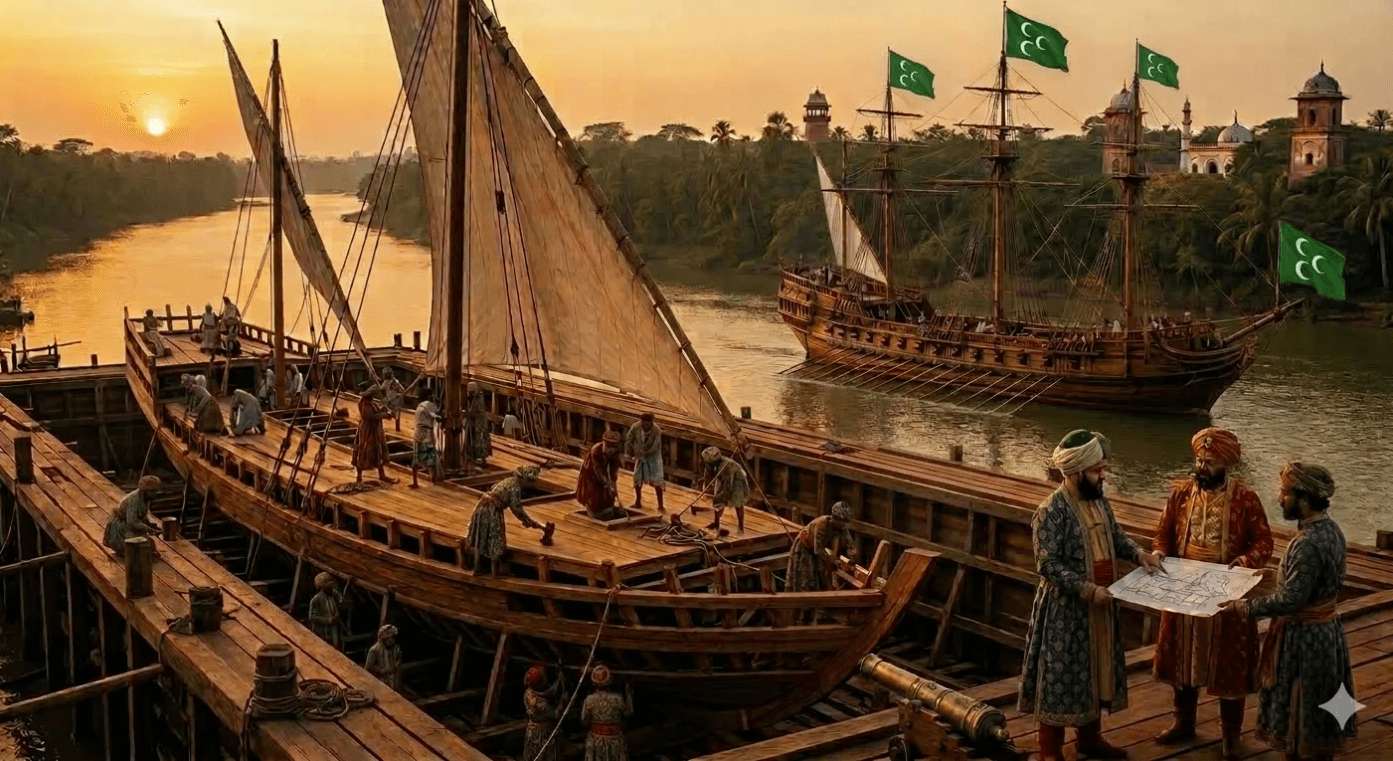
Albanians served the Empire far beyond their regions of origin, including in Anatolia, the Levant, Egypt, and North Africa. This mobility should not be interpreted as diaspora but as an integral part of imperial administration. The case of Mehmet Ali Pasha of Egypt, born in Kavala to an Albanian family and founder of the modern Egyptian dynasty, exemplifies this imperial projection.
- Historical Events and Military Campaigns
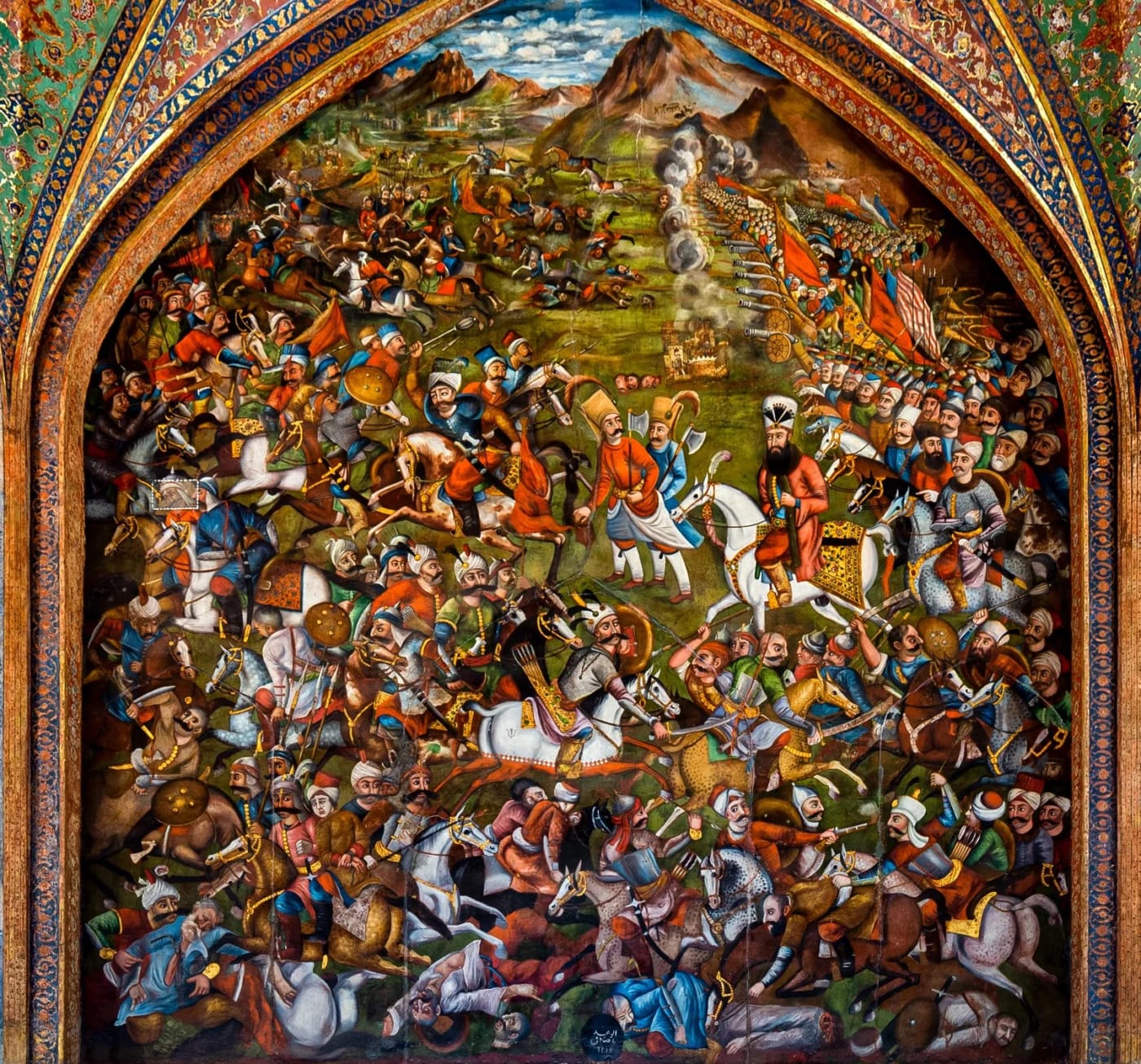
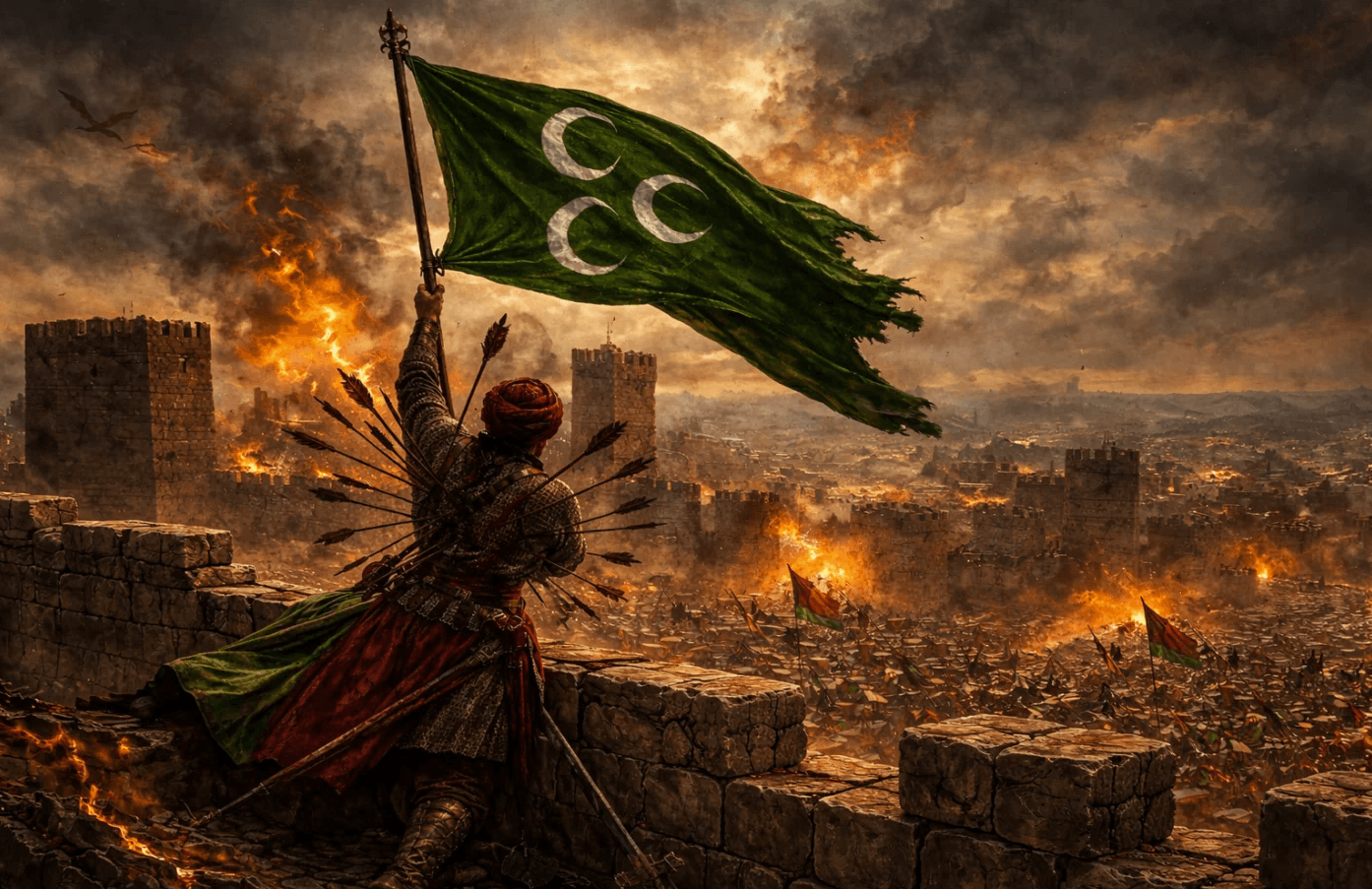
Albanian participation in key Ottoman historical events extended to major military theaters. Albanians were present in European and Mediterranean campaigns, including the two sieges of Vienna, often in command roles. These presences confirm the structural integration of Albanian elites into the core of the Ottoman military apparatus.
The traces of these careers are still visible today in numerous monuments: mosques, tombs, and urban complexes in Hungary, the Balkans, North Africa, and the Middle East.
- Living Legacy in Daily Life and Cuisine
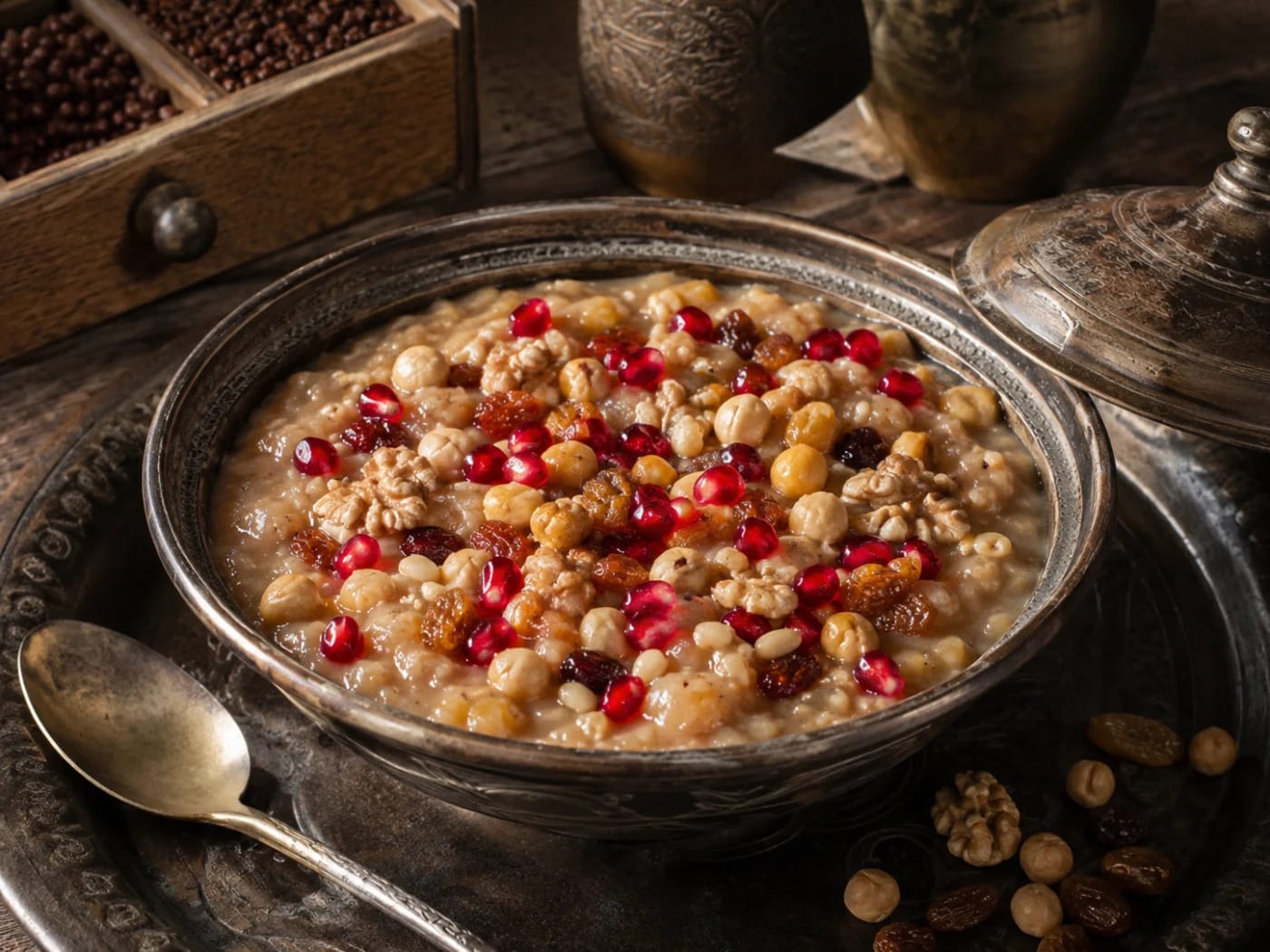
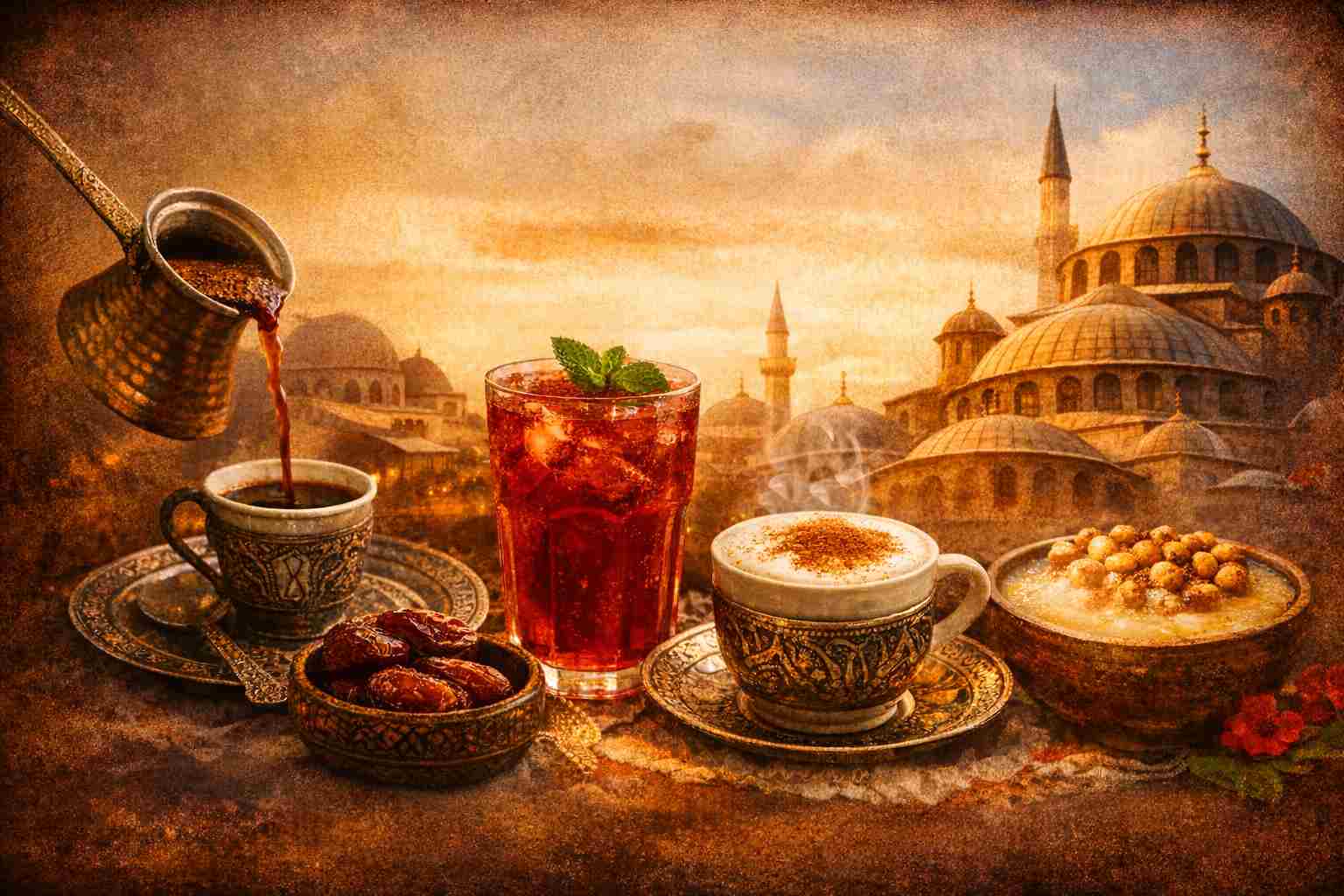
Beyond architecture and institutions, the Ottoman Empire left a lasting mark on the cuisine of Albanian territories. Dishes such as baklava, byrek, lokum sweets , as well as coffee and tea prepared according to Ottoman tradition, remain central to local gastronomy. These recipes are not mere remnants of the past but living practices, passed down through generations, integrating tradition and cultural identity.
Baklava, for example, is prepared in many Albanian cities with local variations, while byrek remains a staple for daily and festive consumption. Cuisine thus shows cultural continuity, confirming Diane Darke’s observation of a living Ottoman heritage: elements of Ottoman culture are not just preserved but actively lived.
- Ottoman Legacy and Contemporary Interpretation
In Albanian-inhabited territories, the Ottoman legacy is today a significant cultural and economic resource. As Diane Darke notes, this legacy should be understood not as a static residue of the past but as a lived cultural system, recognizable in urban landscapes and daily practices. This perspective allows moving beyond exclusively antagonistic readings of the Ottoman experience.
Conclusion
The case of the Albanian population demonstrates the limits of historiography that reduces the Ottoman experience to a period of foreign domination. Sources show active and often decisive participation of Albanian elites in the political, military, and cultural life of the Empire.
Rereading Ottoman history through the contribution of Albanians does not mean denying conflicts or forms of coercion but restoring complexity to a shared historical experience. In this sense, the Ottoman Empire appears less as an imposed external power and more as a political and cultural space in which Balkan populations were co-constructors, with a legacy that remains visible and vital in the contemporary urban and cultural landscape.
References (APA)
Ágoston, G., & Masters, B. (2009). Encyclopedia of the Ottoman Empire. New York, NY: Facts On File.
Darke, D. (2022). The Ottomans: A Cultural Legacy. London, UK: Thames & Hudson.
Elsie, R. (2005). Albanian Literature: A Short History. London, UK: I.B. Tauris.
Evliya Çelebi. (2010). The Book of Travels (Seyahatnâme) (R. Dankoff & S. Kim, Trans.). London, UK: Eland.
Fahmy, K. (1997). All the Pasha’s Men: Mehmed Ali, His Army and the Making of Modern Egypt. Cambridge, UK: Cambridge University Press.
Faroqhi, S. (2004). The Ottoman Empire and the World Around It. London, UK: I.B. Tauris.
Frashëri, S. (1899/2004). Kamus al-A‘lam [Encyclopedia]. Istanbul: Mihran Press. (Original work published 1899–1900).
İnalcık, H. (1994). An Economic and Social History of the Ottoman Empire, 1300–1914 (Vol. 1). Cambridge, UK: Cambridge University Press.
İnalcık, H. (2000). The Ottoman Empire: The Classical Age, 1300–1600. London, UK: Phoenix Press.
Kiel, M. (1990). Ottoman Architecture in Albania, Kosovo and Macedonia. Istanbul: IRCICA.
Peirce, L. (1993). The Imperial Harem: Women and Sovereignty in the Ottoman Empire. Oxford, UK: Oxford University Press.
Shaw, S. J. (1976). History of the Ottoman Empire and Modern Turkey (Vol. 1). Cambridge, UK: Cambridge University Press.
UNESCO. (2008). Historic Centres of Berat and Gjirokastër. Paris, FR: UNESCO World Heritage Centre.