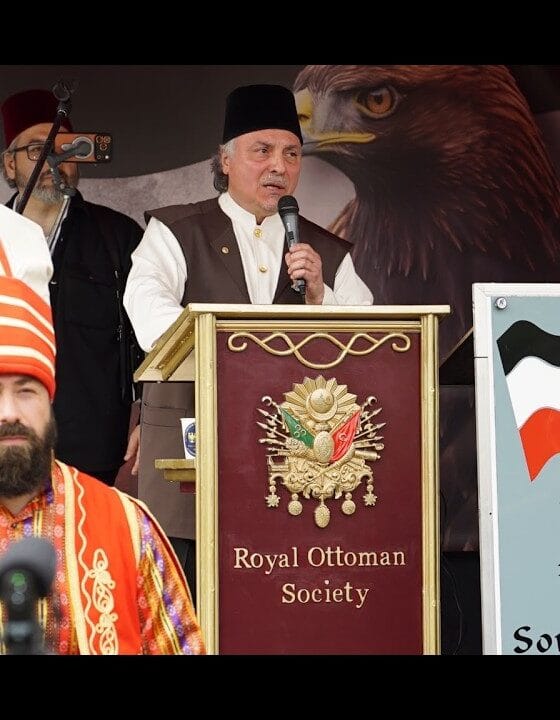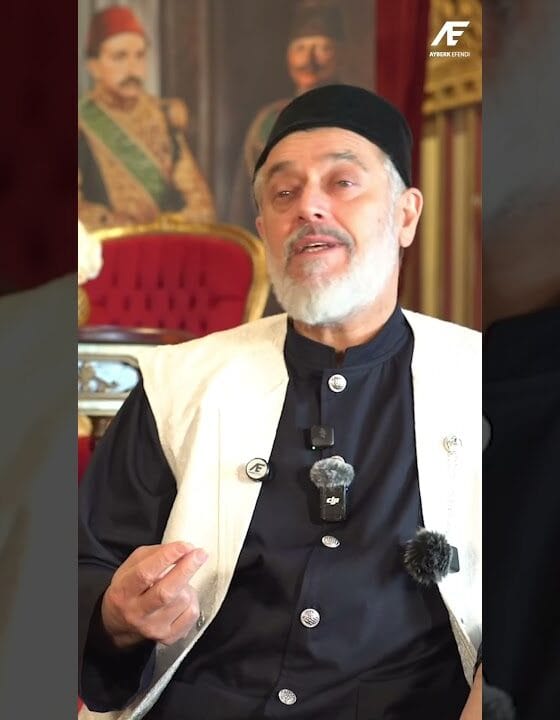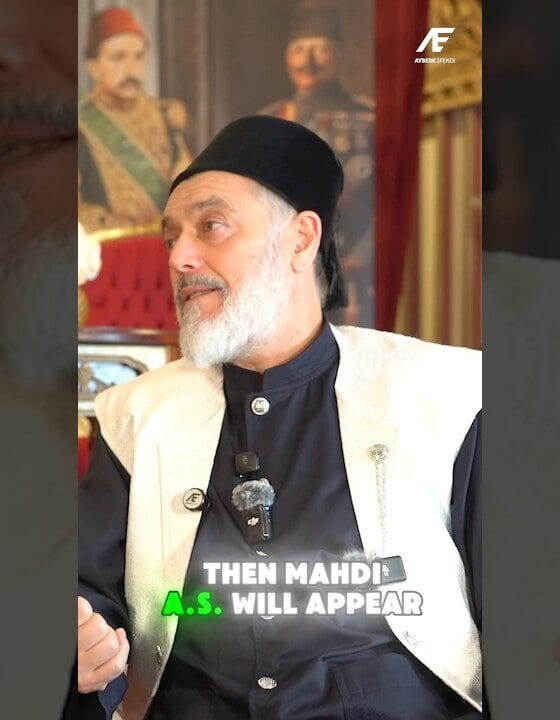

A question keeps coming up in our community: what is the historical and spiritual connection between the awaited Imam Mahdi and the Ottoman Empire, and could the Ottoman line once again play a role in supporting his mission? Behind it lies a deep wish among seekers to understand how the legacy of the Ottoman Caliphate relates to the hopes for the end of times that are central to Sufi thought.
Historically, the Ottoman sultans assumed the title of Caliph after the end of the Abbasid line and saw themselves as custodians of the Islamic ummah. This role was not only political; it carried responsibility for preserving the unity of believers and safeguarding the path to divine truth. In many Ottoman Sufi traditions, including the one taught by our own scholars such as Sheikh Bahauddin Efendi, the Caliphate is seen as an earthly reflection of the spiritual authority that will ultimately be fulfilled with the appearance of Imam Mahdi A.S. In this view, a legitimate caliphal line can serve as a channel for the Mahdi’s guidance, even if the visible form of that support remains hidden until the appointed time.
The official Ottoman Caliphate was abolished in 1924, yet the lineage continues through families who trace their descent to the dynasty. Some Sufi circles see this enduring connection as a sign that the Ottoman heritage still has a place in the events leading to Imam Mahdi’s emergence. Whether the Ottomans will openly “return” to support him is a matter of divine timing, but the historical bond gives believers a tangible link between past guardianship and future hope.
If this topic speaks to you, we invite you to join our community, where such questions are explored in depth with fellow seekers interested in Ottoman heritage and Sufi spirituality.