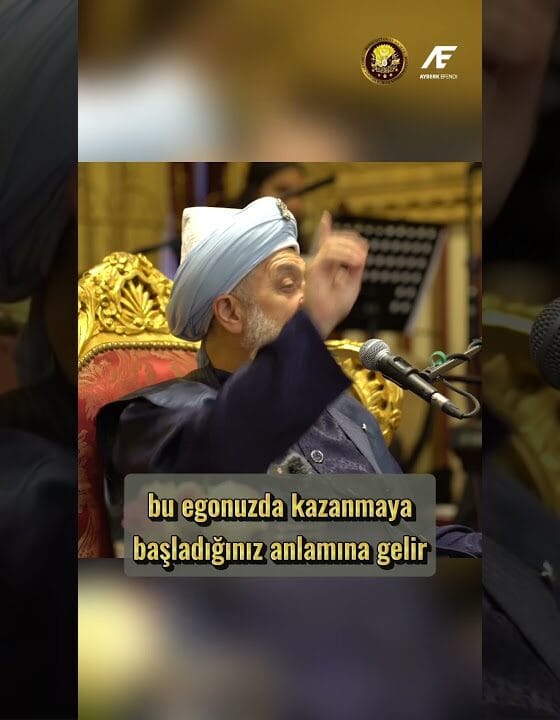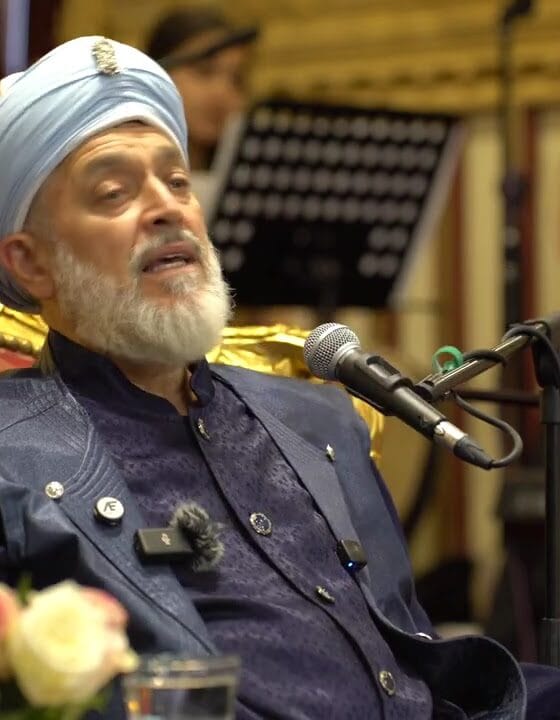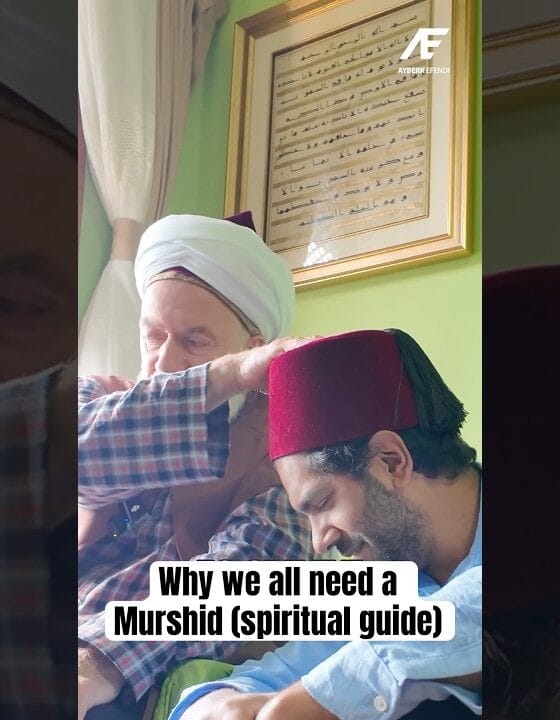
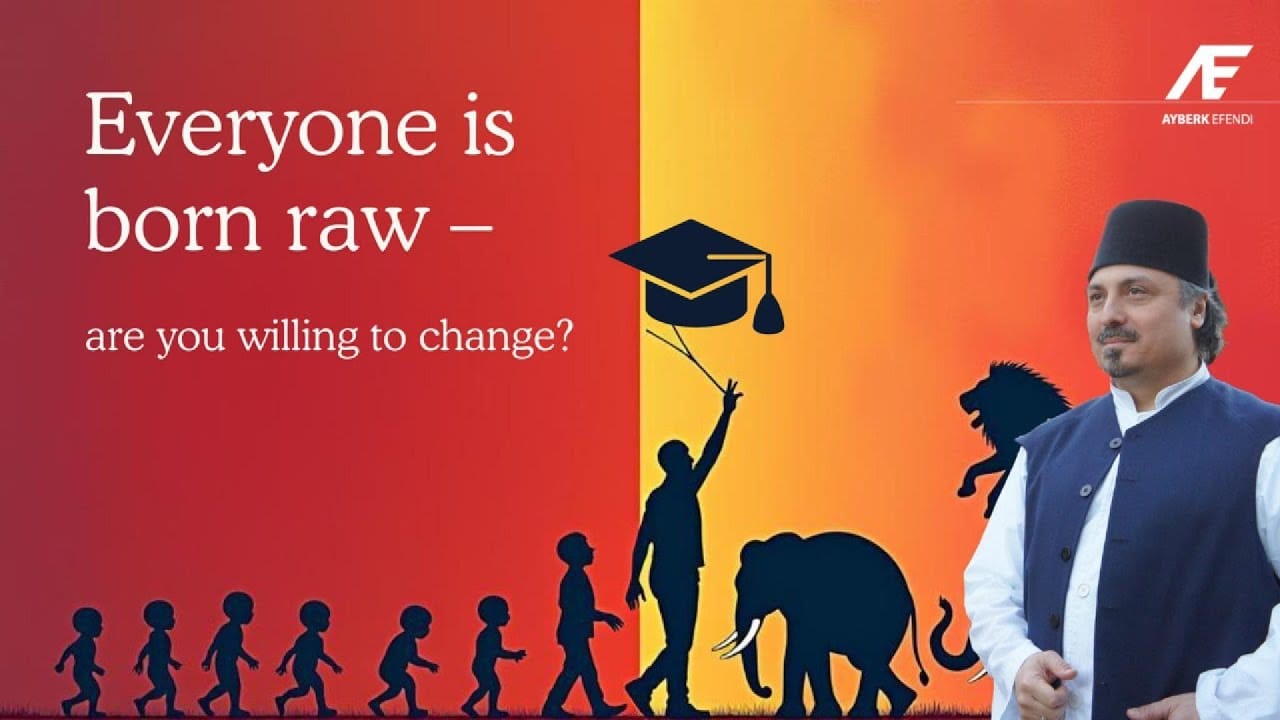
In this heartfelt teaching we are reminded that every soul enters the world untouched and unrefined—ham doğmuş, raw‑born. From that pristine state each of us embarks on a lifelong journey of terbiye (training, refinement), guided by the timeless example of the Prophet ﷺ and the wisdom handed down through our Sufi heritage.
The Raw Beginning
Human beings appear in this world like a newborn animal in the wild: naked, unaware of manners, and instinctively driven to act on impulse. Just as a child raised in the forest behaves differently from one nurtured in a household, the untrained heart reacts to everything with aggression or curiosity without understanding what is proper. The teaching emphasizes that this rawness is not a flaw but the natural starting point for every creature—human, animal, or even the smallest insect.
Why Terbiye Is Essential
Because we are born uncultivated, terbiye becomes an inevitable duty. It begins the moment a child learns to distinguish right from wrong, what can be touched and what must be left untouched, where one may sit and where one should not. The same principles apply to adult life: etiquette at the table, speaking respectfully to elders, and observing the prophetic adab (manners) are all parts of this ongoing education.
The Prophet ﷺ taught that his character was shaped directly by Allah’s own moral code. He said, “I have been molded by the manners of my Lord.” By following his example—using the right hand for eating, avoiding wasteful speech, and showing gratitude for every morsel—we align ourselves with divine refinement.
Everyday Practices as Spiritual Training
- Gratitude: Before a meal we thank Allah, recognizing that many on earth lack food.
- Table etiquette: Eating with the right hand, refraining from noisy chewing or belching, and waiting for elders to begin are not merely social niceties; they are spiritual exercises.
- Respectful speech: Addressing parents as “siz” (you, formal) rather than “sen” (you, informal) mirrors the deference once common among Ottoman officials and today fosters humility.
These seemingly small actions accumulate, shaping a character that reflects both Islamic ethics and the refined courtly manners of the Ottoman past—what was once called İstanbul nezaketi (the courtesy of Istanbul).
Overcoming the Four Poisonous Traits
The teaching identifies four traits that must be eradicated before one can truly mature:
- Inat – stubbornness
- Öfke – uncontrolled anger
- Haset – envy
- Kibir – arrogance
Each of these stems from the ego, the very “child” that clings to raw impulses. The Prophet’s companion, Imam Ali (ra), would constantly examine his own heart each night, asking whether pride or jealousy had entered his thoughts. By regularly self‑checking—just as we assess our table manners—we begin to dissolve these poisons.
Toward the Ideal of Kamil
When terbiye is embraced fully, the soul advances toward kâmil—the perfected human being. This does not mean a flawless existence in this life; rather, it signifies an ongoing commitment to growth so that, when the final breath arrives, the heart has been refined enough to meet its Creator without lingering rawness.
The teaching concludes with a prayer: may Allah grant us the capacity to become kâmil servants, shedding stubbornness, anger, envy, and pride, and may we walk this path together as a community rooted in love, humility, and shared heritage.
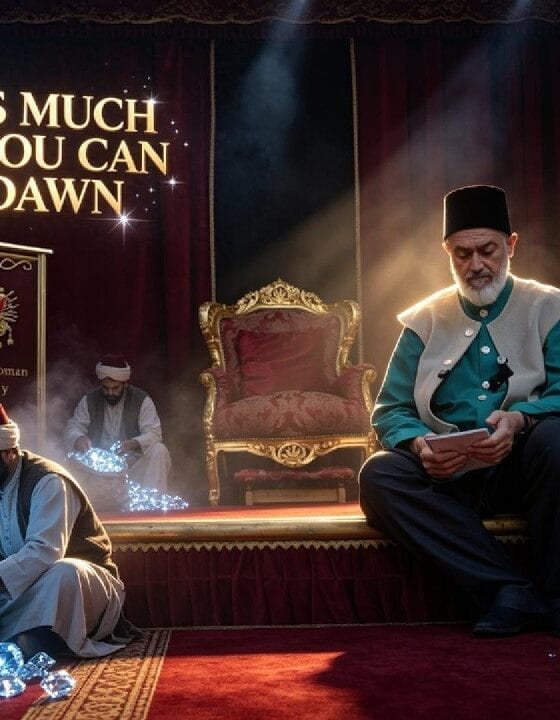
If you feel called to deepen your practice of terbiye and explore the spiritual disciplines taught by our Sufi lineage, consider joining one of our live meetings where guidance is offered in the spirit of the Royal Ottoman Society.