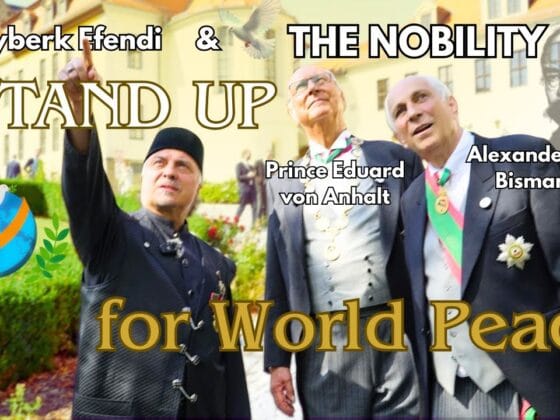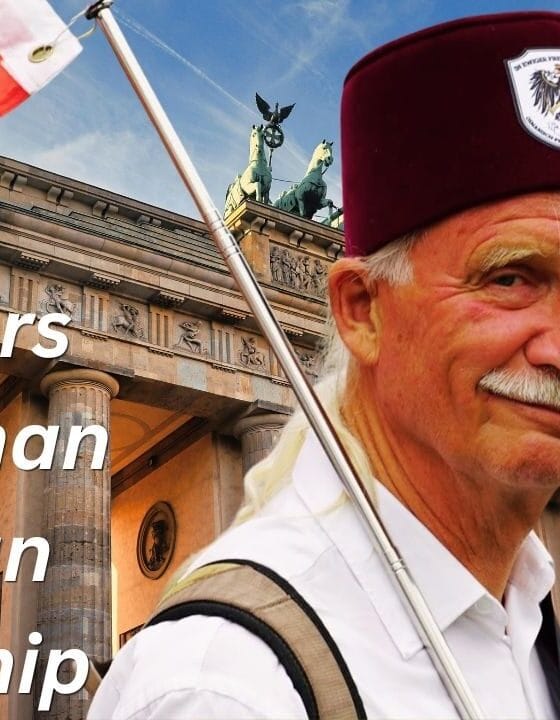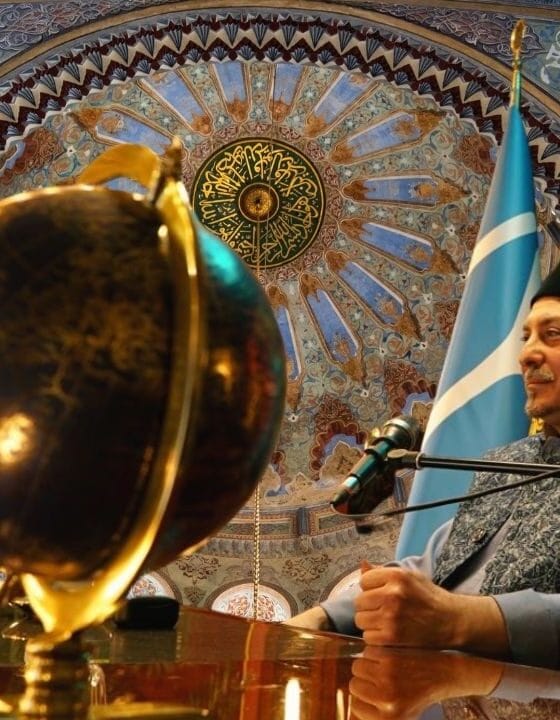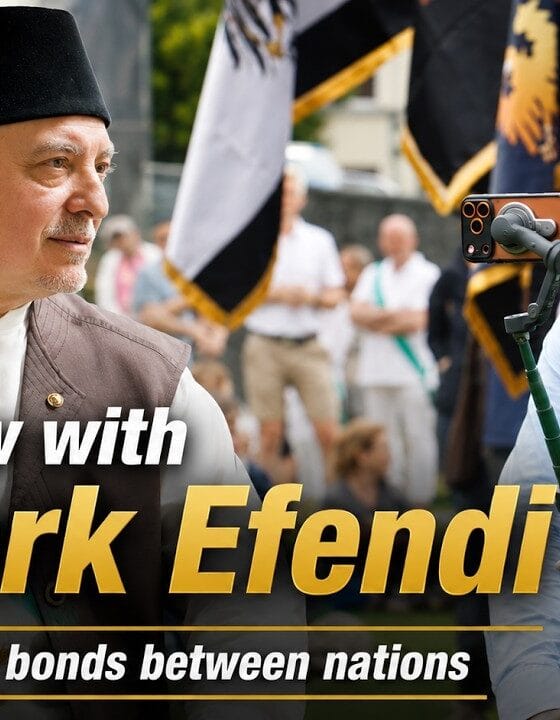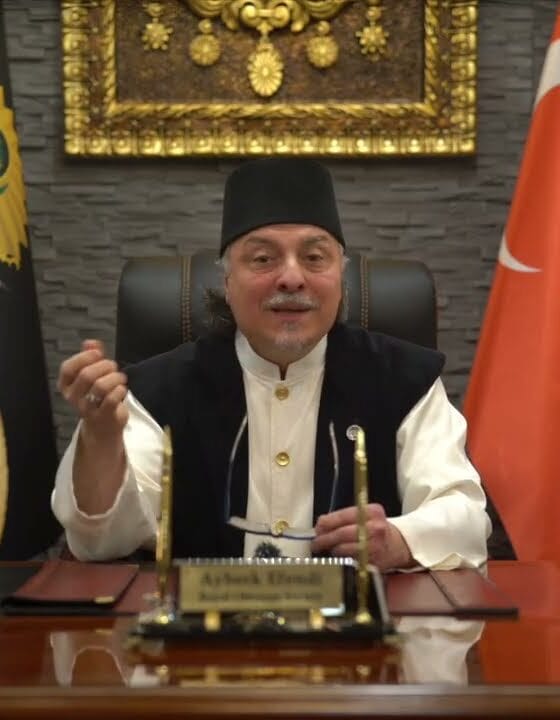
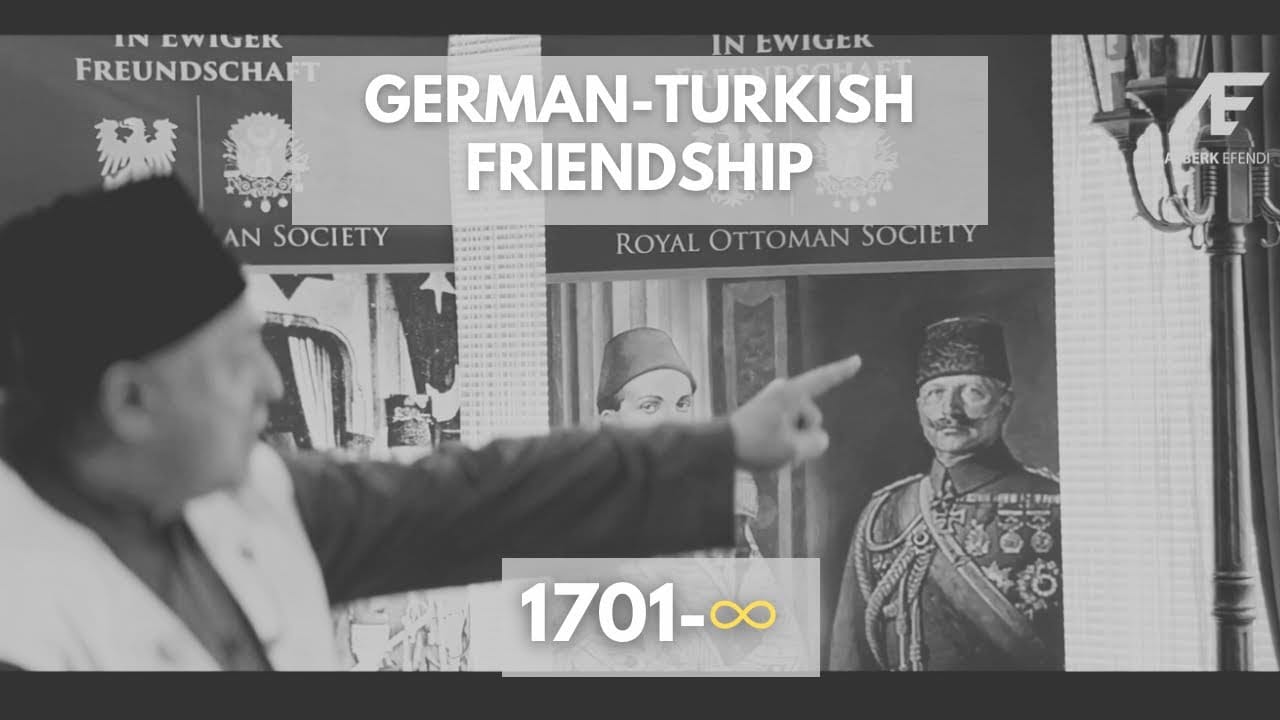
In this teaching Ayberk Efendi invites us to reflect on the remarkable three‑century bond that links the Ottoman world, Prussia and modern Germany. From a diplomatic congratulation in 1701 to present‑day cultural exchanges, the relationship has been defined by mutual respect rather than conflict. We are delighted to share this story as part of the Royal Ottoman Society’s ongoing effort to keep historic bridges alive.
The First Diplomatic Greeting – 1701
When King Frederick I of Prussia proclaimed himself king in 1701, Sultan Mustafa II sent an envoy to celebrate the occasion. That simple gesture marked the birth of a formal friendship between the Ottoman court and the newly crowned Prussian monarch. Over the ensuing three hundred plus years no bullet has been exchanged between their peoples—a testament to the sincerity of that early goodwill.
19th‑Century Encounters
The connection deepened during Sultan Abdülhamid II’s reign. In 1898 German Emperor Wilhelm II visited Istanbul and was received by Şeyhülislam Reşat, who pronounced that “the three hundred million Muslims scattered across the earth are forever our friends.” The sentiment captured a shared vision of peaceful coexistence.
Otto von Bismarck, the architect of a unified Germany, also praised this alliance. His celebrated remarks—still studied in literature and university courses—highlighted how cultural dialogue complemented political ties.
Keeping the Bridge Alive Today
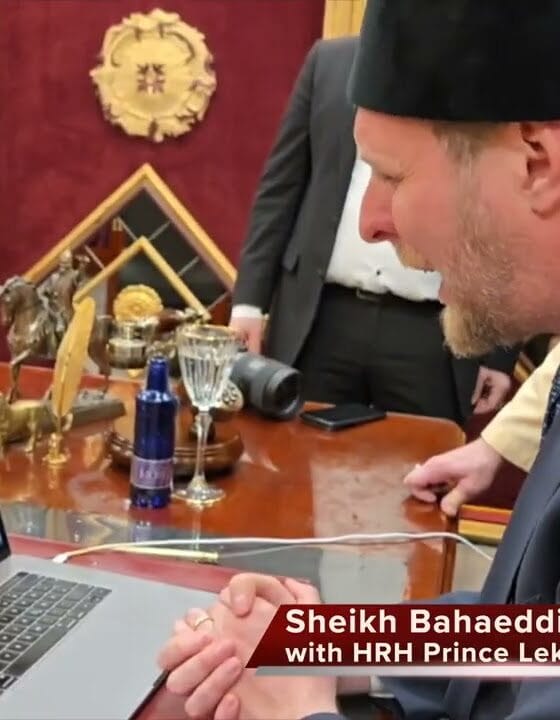
The Royal Ottoman Society continues to nurture this legacy through personal encounters and collaborative projects. Since 2010 we have worked closely with Mr Falker Schapker, founder and former president of the Prussian community in Germany. Through his introductions we have met Alexander von Bismarck, a descendant of Otto, as well as Prince Edward of Saxony. These meetings reinforce the historic bridge and inspire new initiatives that honor the spirit of friendship.
If you wish to explore the rich archives of Ottoman‑German relations, our digital library offers a curated collection of documents, letters and scholarly works. Likewise, joining our community of seekers provides an opportunity for ongoing dialogue about this enduring partnership.
Explore further: Royal Ottoman Society Library | Community of Seekers