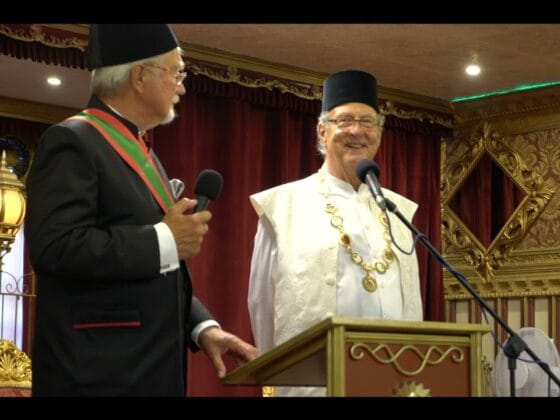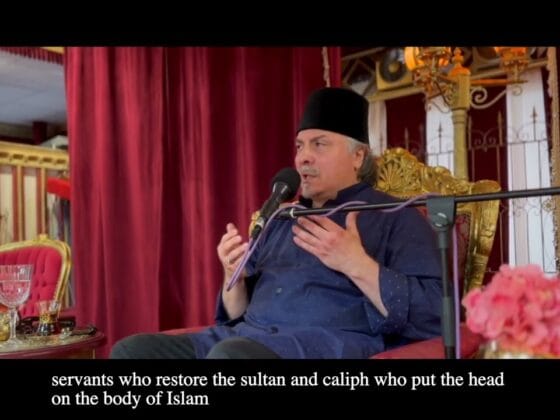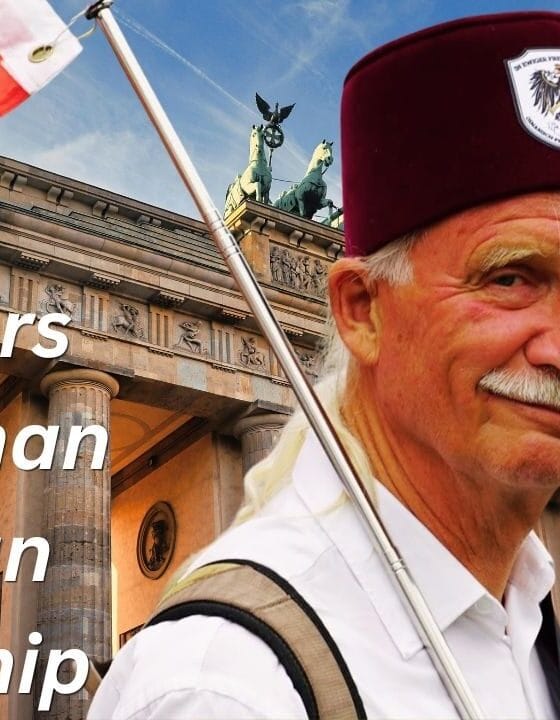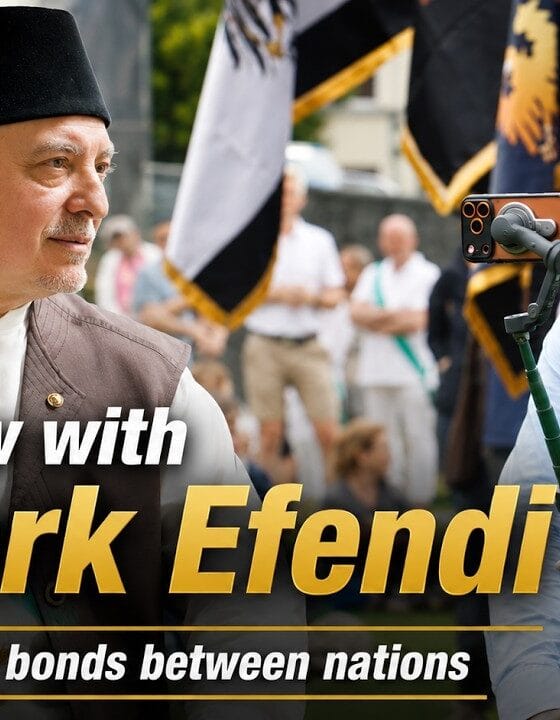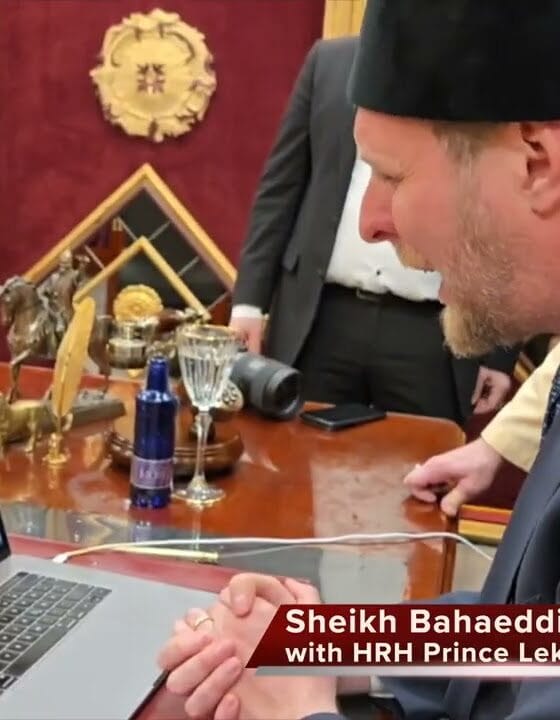
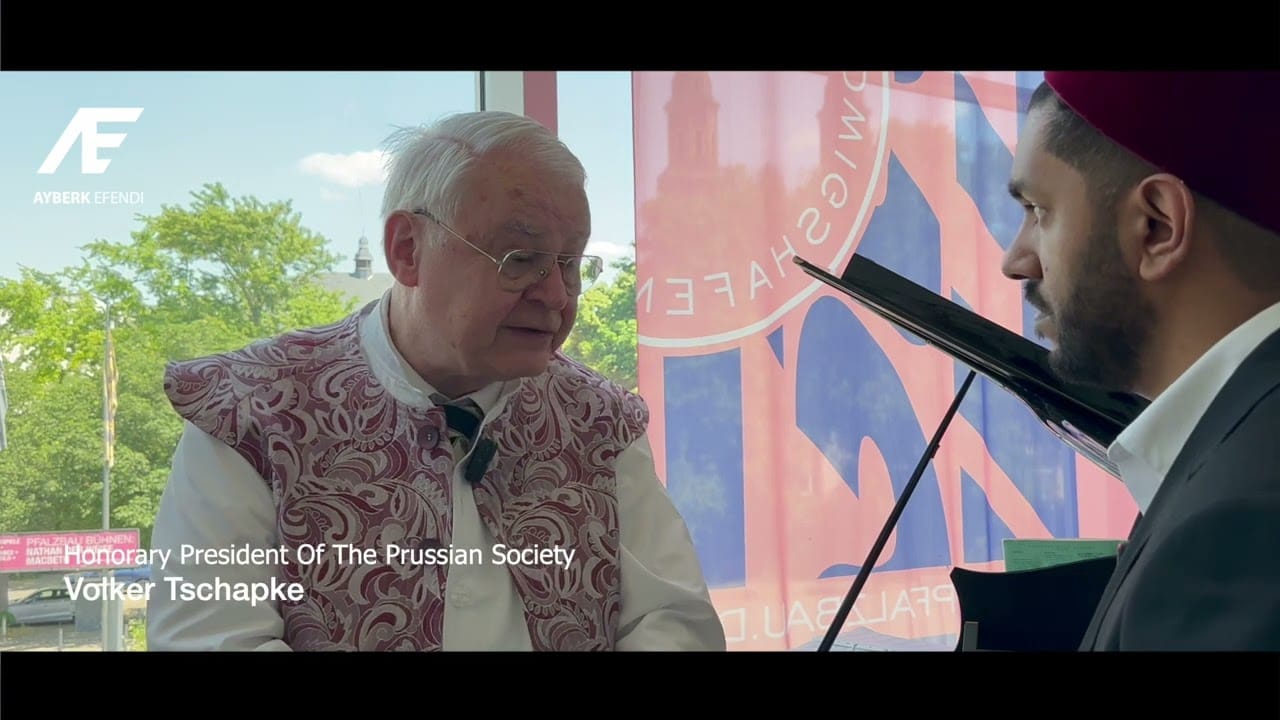
In a recent conversation recorded for the Royal Ottoman Society, we welcomed His Excellency Volker Tschapke to explore how German history, contemporary politics, and the legacy of the Ottoman Empire might intersect today. The dialogue moved fluidly between reflections on a possible restoration of the German monarchy, the role of archival truth‑telling, the place of faith in modern societies, and the prospect of constitutional monarchies in Europe.
A Monarchy Reimagined
When asked what Germany could expect if the Kaiser and the imperial institutions were reinstated, Volker Tschapke emphasized that such a transformation would require careful preparation. He likened any revival to the period after 1806, when French occupation forced German states into a six‑year process of recovery before new structures could emerge. In his view, a restored empire would need strong leadership—perhaps reminiscent of Otto von Bismarck and an effective chancellor—to guide the nation through what he described as today’s “knockdown” in European politics.
Strategic Partnerships and the Ottoman Connection
A striking moment of the interview was the suggestion that a rejuvenated Prussia could be rebuilt with assistance from the Ottoman Empire. Volker Tschapke recalled historic ties between Germany and the Ottomans, noting that cooperation once contributed to a period of stability across Europe. He imagined a future where German states such as Bavaria, Württemberg, and Saxony might align with Ottoman support, creating a renewed balance of power that could also involve closer coordination with Russia—potentially offering an alternative to dominant United States influence.
The Question of Archival Integrity
The conversation turned to the importance of transparent historical records. Referring to Turkey’s experience after Atatürk’s 99‑year restriction on Ottoman archives was lifted, Volker Tschapke asked whether German documents from the era of Kaiser Wilhelm II might have been similarly altered over the past century. While no definitive evidence was presented, the inquiry highlighted a broader concern: that political agendas can reshape collective memory and that societies benefit from open access to authentic primary sources.
Addressing the rapid decline of religious practice across Europe, Volker Tschapke reiterated a sentiment he had expressed previously—“We Germans are afraid only of God.” He argued that every community needs a moral anchor, whether rooted in Islam, Christianity, or another tradition, to provide meaning beyond material wealth. Such shared reverence, he suggested, can empower individuals and nations alike to pursue peace and resilience in turbulent times.
Constitutional Monarchy as an Idea
Finally, the discussion examined why Germany does not operate under a constitutional monarchy similar to that of the United Kingdom. Volker Tschapke acknowledged both the triumphs and tragedies associated with monarchic systems but proposed that a symbolic sovereign could offer stability without compromising democratic values—a “leader democracy” that might be worth contemplating within contemporary German discourse.
We are grateful to His Excellency Volker Tschapke for sharing these thought‑provoking perspectives. If you wish to continue the conversation and engage with others who explore history, spirituality, and cultural dialogue, we invite you to join our community page.