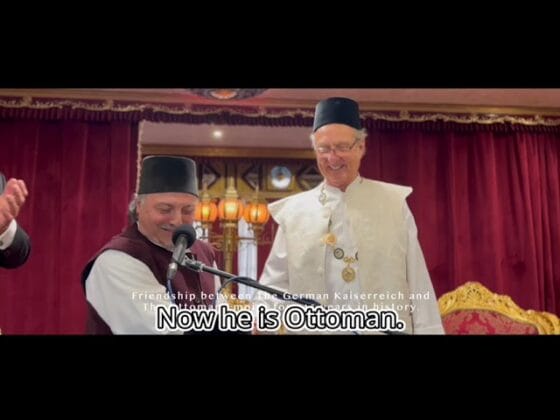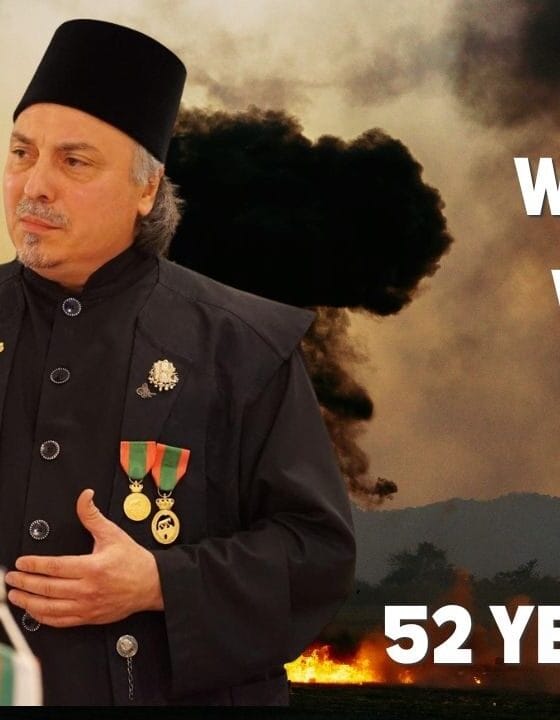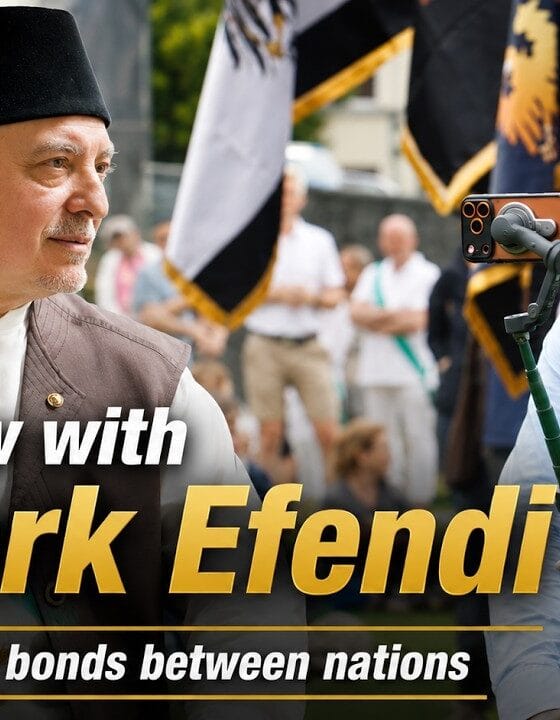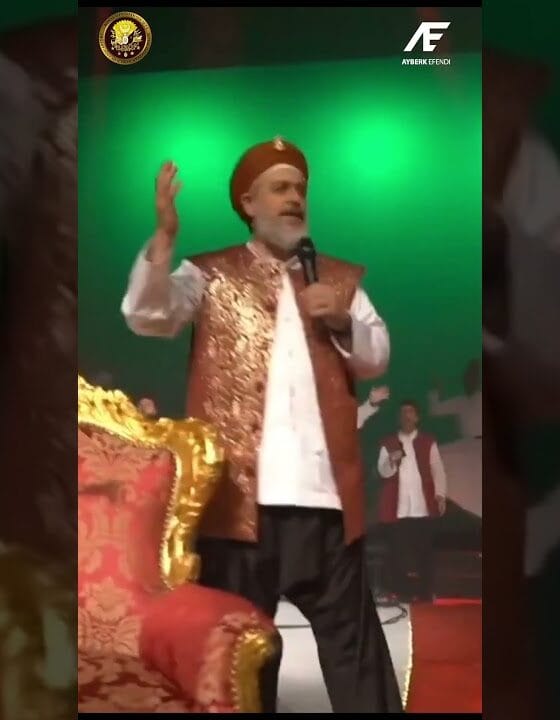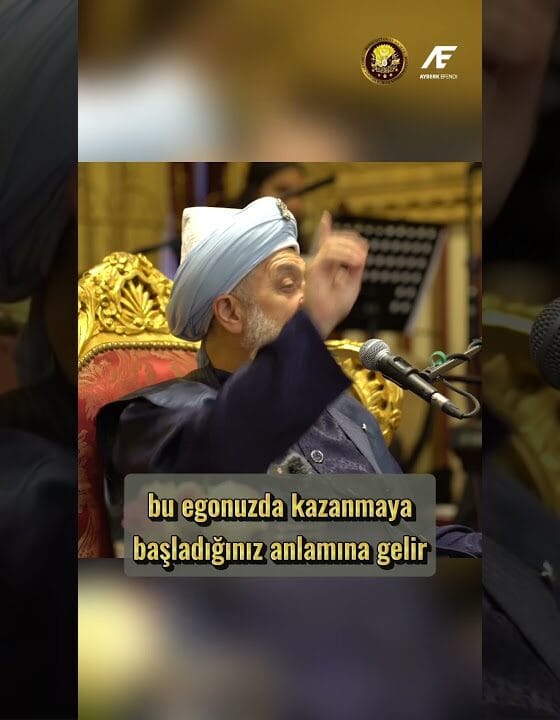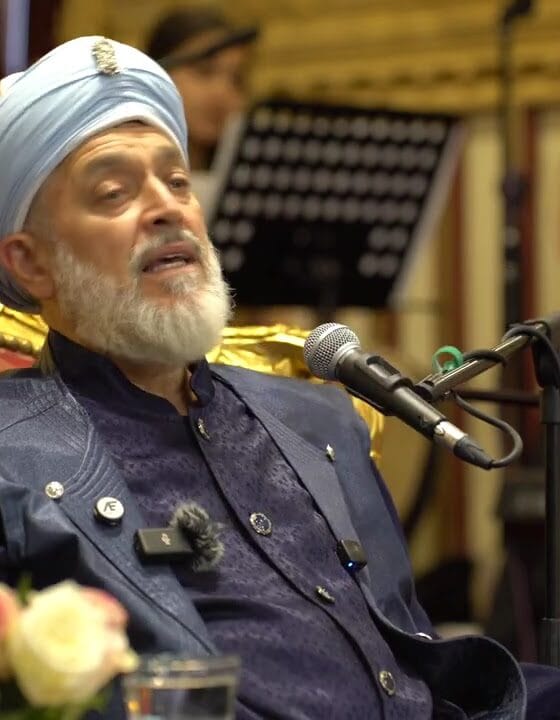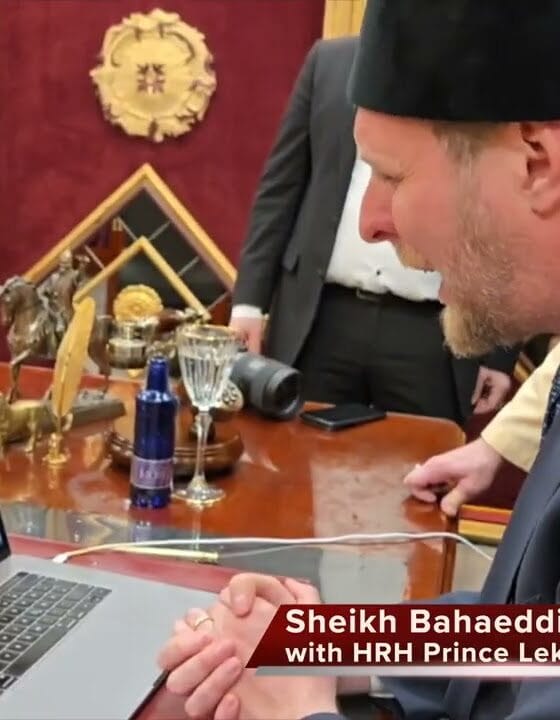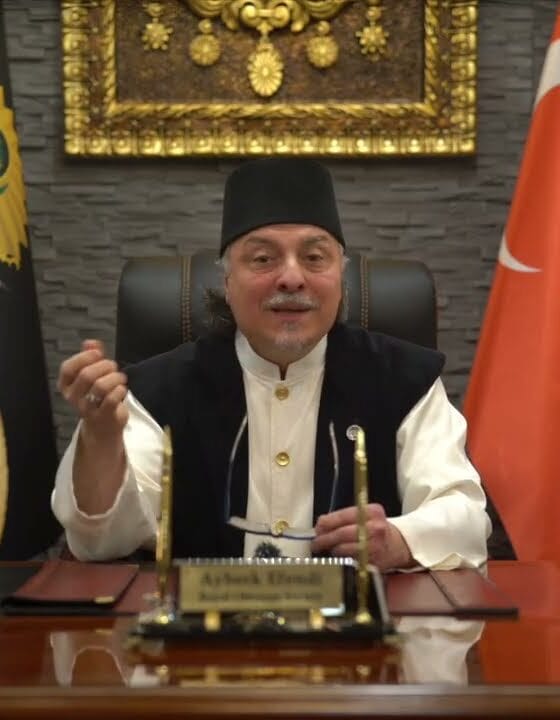
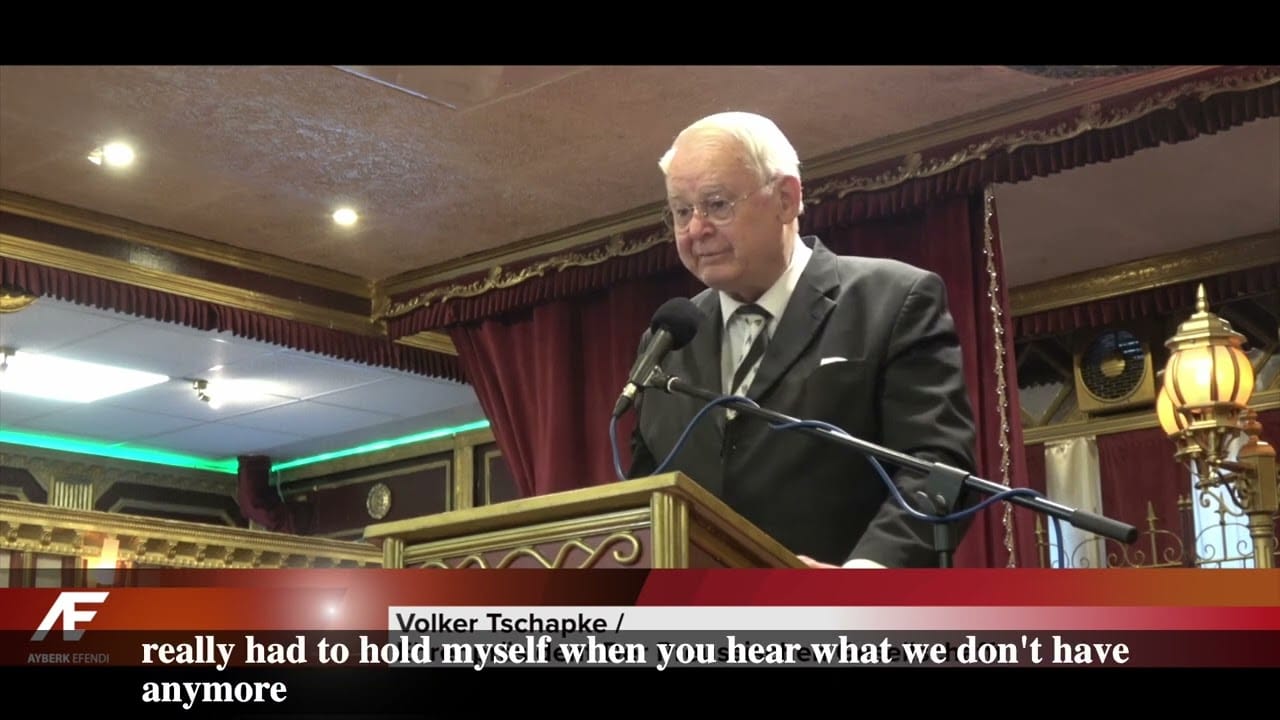
On a breezy evening in Ludwigshafen the Royal Ottoman Society gathered once more under the warm wishes of Fürst Alexander. Although the meeting had originally been scheduled for June 17, a heartfelt message from the imperial heir moved the gathering forward to June 10—the birthday of the future sovereign. The unexpected shift gave us an occasion to reflect on history, current events, and the resilient spirit that binds our community.
A Warm Welcome
The evening opened with a candid recollection of a lingering “red‑green” virus that had visited Berlin earlier in the year. Thanks to the fresh air circulating through our meeting hall, the ailment was already fading, allowing us to focus on the purpose of the gathering. Personal memories were shared about journeys across Germany and Ostfriesland, recalling early encounters with historic routes once traversed by Prussian soldiers. Walking those same streets reminded us how history can feel palpably present when we touch the very ground that shaped past empires.
Historical Reflections and Contemporary Politics
A brief foray into current politics followed. Recent coverage in The New York Times highlighted two prominent German politicians—Sarah Wagenknecht and Alice Weidel—and served as a springboard for discussing the shifting landscape of left‑wing discourse in Europe. While the tone was light‑hearted, the conversation underscored deeper values such as community, duty, and homeland—principles that continue to resonate within our Ottoman heritage.
Journey Through War‑Torn Mariupol
The heart of the talk unfolded as a vivid travel narrative that carried us from Helsinki through St. Petersburg and Moscow to the war‑torn city of Mariupol. After receiving a special passport at Russia’s foreign ministry, the presenter traveled onward to Rostov‑on‑Don before being escorted into Mariupol, becoming one of only two Germans to set foot there after the recent siege.
The description was unflinching: charred buildings, shattered windows, and a theater that had become a tragic memorial. Yet amidst this devastation emerged an inspiring tableau of renewal. Within four months, engineers and doctors erected a new district containing eight hundred housing units; tens of thousands of workers laboured daily to rebuild hospitals, schools, and homes. Perhaps most striking was the sight of fresh spring blossoms sprouting amid the ruins—a quiet declaration that life refuses to be extinguished.
As a civil engineer, the presenter could assess the reconstruction with professional clarity, noting how quickly a new neighbourhood rose from the ashes. In Mariupol, 40 000–50 000 people—including engineers, doctors, and teachers—collaborate each day to restore normalcy. Children return to kindergartens, families plant flowers in public squares, and a palpable sense of hope fills the streets.
Reflections for Our Community
The resilience witnessed in Mariupol resonated deeply with our own tradition of rising from adversity. Just as Ottoman cities have rebuilt after conflict throughout history, the people of Mariupol demonstrate that reconstruction is not merely about bricks and mortar but about renewed hope in every planted flower and reopened classroom. Their determination invites us to contemplate how we, too, can nurture renewal within our own circles.
In closing, gratitude was expressed for the fellowship gathered that evening. The spirit displayed in Mariupol—service to the homeland, steadfastness in adversity, and a willingness to act for the common good—mirrored the values we cherish as a society.
We invite members and friends to explore further reflections on resilience and heritage in our digital collection: Royal Ottoman Society Library. May the examples heard tonight continue to inspire our gatherings, studies, and service to humanity.