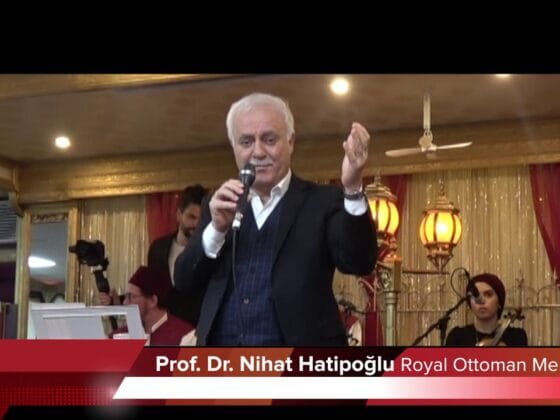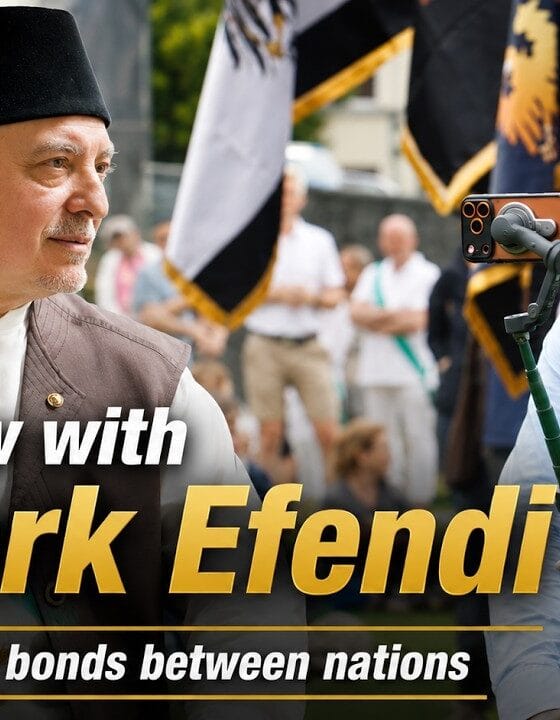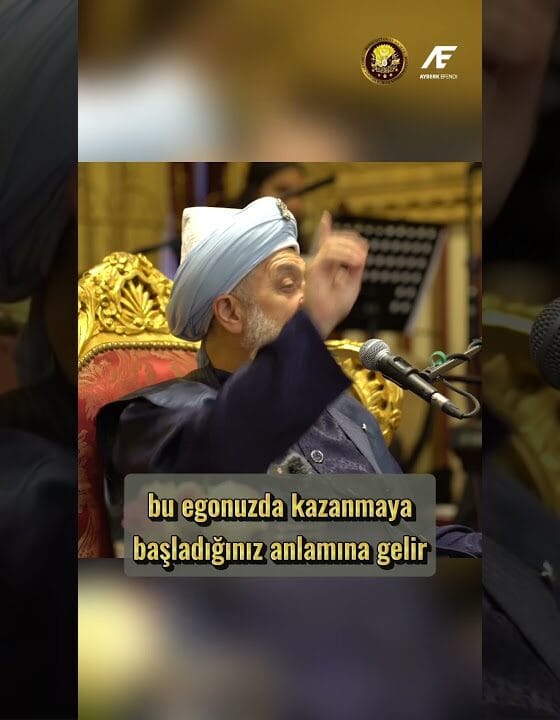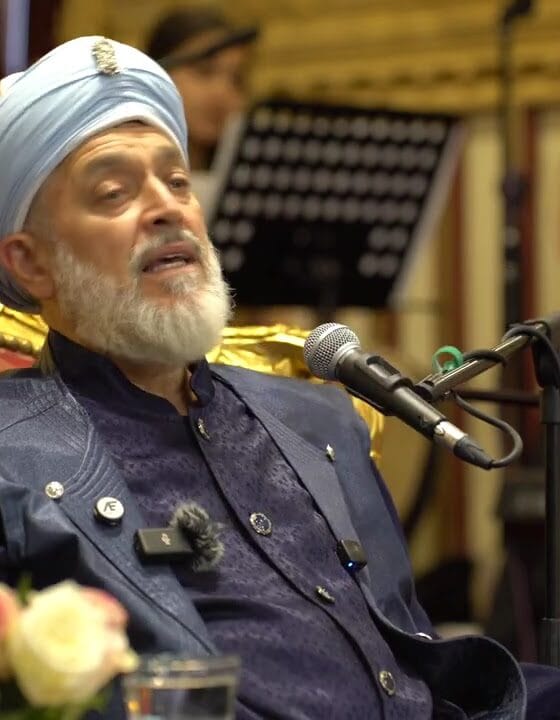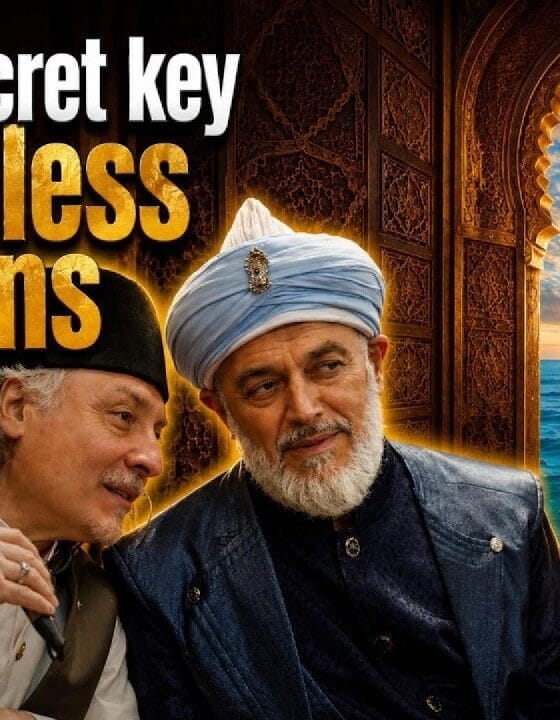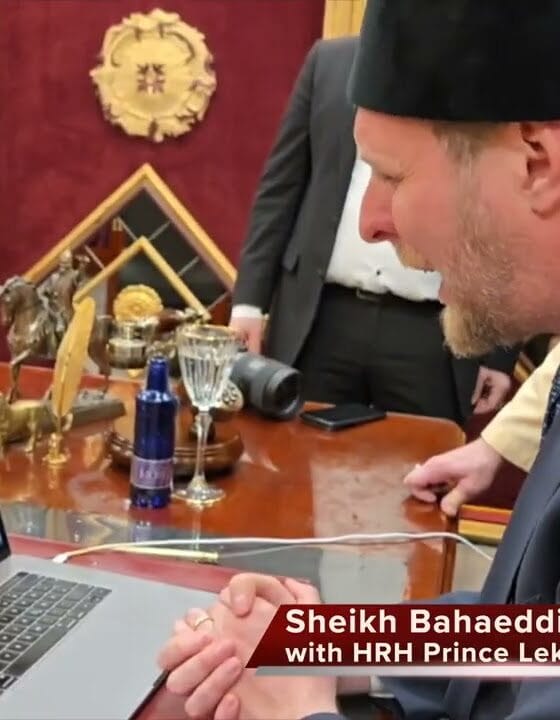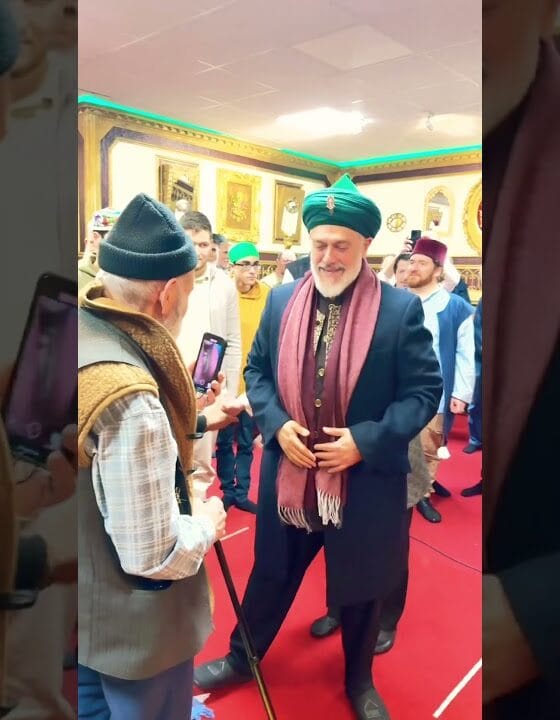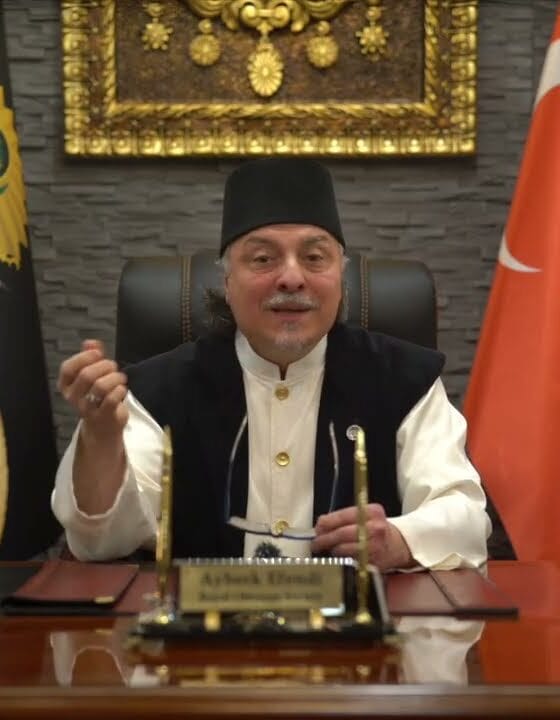
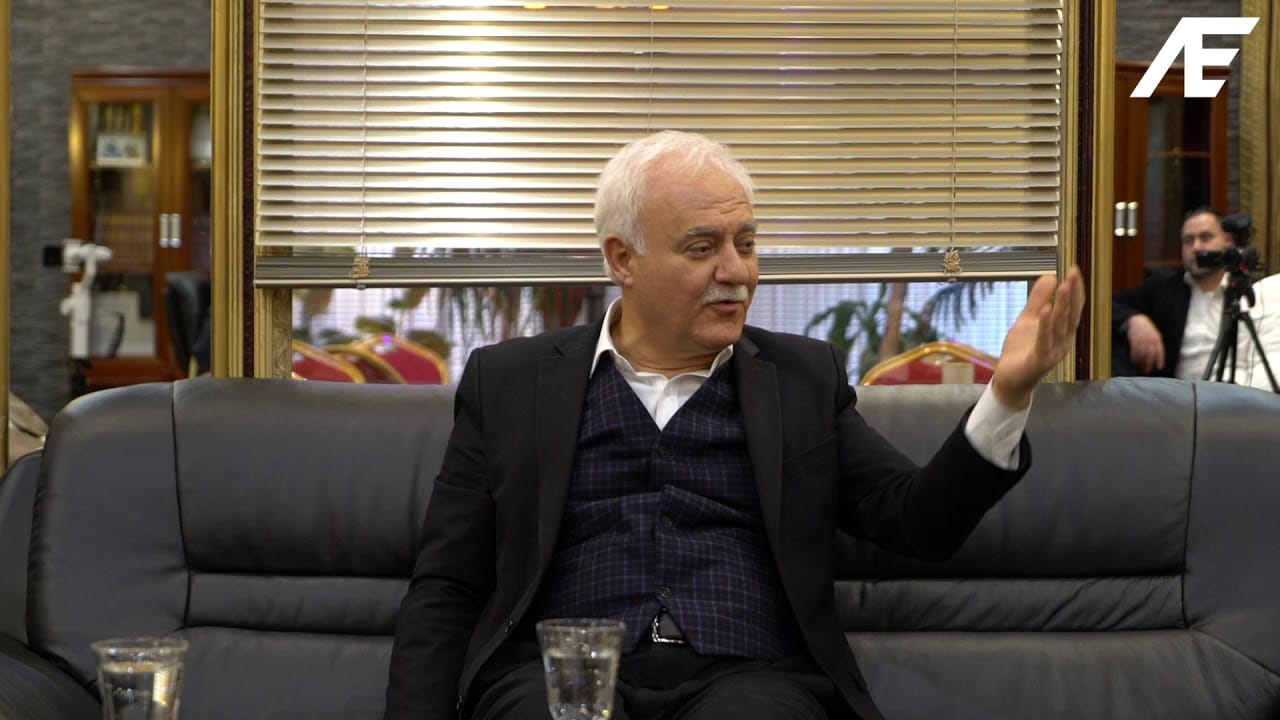
In a lively gathering organized by the Royal Ottoman Society in Ludwigshafen, Professor Dr. Nihat Hatipoğlu sat down with Ayberk Efendi and Mehmet Küçük to address a wide range of questions concerning Islamic preaching (tebliğ), the authentic role of sheikhs in tasavvuf, and historical‑theological issues such as the status of Ebu Talib. The conversation, rich with Qur’anic references, prophetic traditions, and Sufi anecdotes, offers a comprehensive guide for anyone seeking to deepen both knowledge and practice.
The Essence of Effective Tebliğ
The discussion began by emphasizing that successful tebliğ is inseparable from the personal piety of the preacher. According to Professor Hatipoğlu, a true Islamic messenger must cultivate:
- Consistent worship – regular performance of teheccüd and duha prayers.
- Spiritual vigilance – avoidance of worldly distractions, maintaining humility, and continuous repentance (istigfar).
- Moral integrity – absolute rejection of arrogance, ostentation (rıyā) and any form of hypocrisy.
Only when these inner qualities are firmly established can the spoken word find “akış” (flow) in the hearts of listeners. Mere memorization of Qur’an verses or hadith collections, without internalisation, does not constitute genuine preaching.
The Role of the Sheikh in Tasavvuf
A central theme was the distinction between authentic sheikhs and those who merely claim the title. Professor Hatipoğlu explained that a true şeyh possesses:
- Spiritual lineage (silsile) – a continuous chain of transmission tracing back to the Prophet Muhammad (peace be upon him).
- Personal realization – a life marked by sincere devotion, self‑discipline, and evident transformation.
- Service without personal gain – guidance offered not for material profit but for the spiritual benefit of disciples.
He warned against müteşeyh figures—individuals lacking scholarly knowledge, moral virtue, or genuine connection to the divine—who exploit the name “sheikh” for selfish ends. The Royal Ottoman Society stresses that true tasavvuf is an inner journey aligned with Qur’an and Sunnah, not a separate sectarian movement.
Historical Reflections: Ibrahim, Ismail and the Test of Faith
The conversation recounted a poignant episode from prophetic tradition involving Prophet Ibrahim (peace be upon him) and his son Ismail (peace be upon him). The narrative highlighted:
- Divine testing through sleep – Ibrahim’s instruction to remain awake for night prayers while Ismail slept, illustrating the subtle balance between devotion and ordinary human needs.
- The mercy of Allah – hadiths indicating that if a believer devotes even a moment of his night to Allah, He may spare him from harsher trials.
Through this story, Professor Hatipoğlu underscored the importance of sincere intention (niyyah) over ritual perfection alone.
Contemporary Issues: The Status of Ebu Talib
One of the most debated topics was the afterlife destiny of Ebu Talib, the Prophet’s uncle. Drawing from Qur’anic verses such as “La illahe illa Allah” and prophetic sayings, the panel clarified:
- No definitive scriptural condemnation – The Qur’an does not categorically state that Ebu Talib is destined for Hellfire; rather, it emphasizes Allah’s ultimate judgment based on individual belief.
- Historical context – While Ebu Talib protected the Prophet during early adversity, his earlier religious orientation was not firmly monotheistic, which explains scholarly caution in declaring his final fate.
- Respectful discourse – The speakers urged Muslims to avoid unfounded accusations and to focus on seeking Allah’s mercy for all souls.
This balanced approach reflects the Society’s commitment to nuanced theological discussion rooted in authentic sources.
Practical Guidance for Modern Muslims
Concluding the session, Professor Hatipoğlu offered concrete advice:
- Seek knowledge from trustworthy scholars – verify the credibility of teachers before adopting their teachings.
- Maintain humility and sincerity – avoid self‑aggrandizement; remember that true worth is measured by one’s relationship with Allah.
- Engage in regular remembrance (zikir) – consistent dhikr fortifies the heart against worldly temptations and prepares believers for effective da’wah.
The Royal Ottoman Society reiterates that every Muslim bears a collective responsibility to uphold the values of truth, compassion, and spiritual integrity.
Through this extensive Q&A, Professor Dr. Nihat Hatipoğlu provided a roadmap for authentic Islamic preaching, clarified the legitimate role of sheikhs within tasavvuf, and offered measured insight into historical figures whose legacies continue to inspire discussion. The Royal Ottoman Society thanks all participants for their thoughtful questions and encourages further study under qualified guidance.