Bir Selim gelir emaneti alır, son Selim gelir emaneti verir
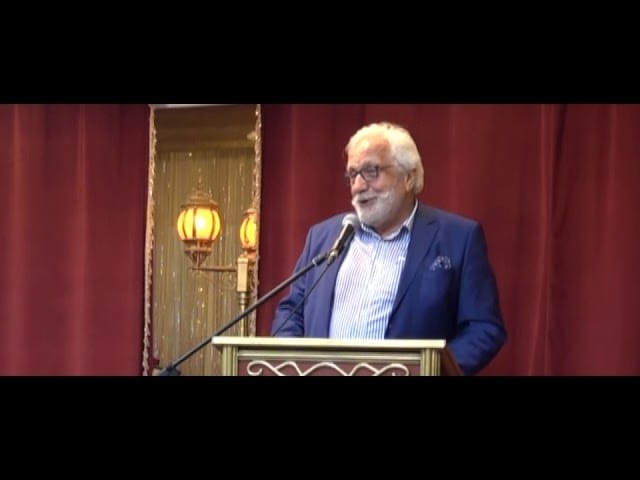
In a recent sohbet, the esteemed scholar Yavuz Bahadıroğlu reflected upon the enduring legacy of the Ottoman sultans who bore the name Selim. He reminded us that “one Selim comes to take the trust (emanet) and the last Selim comes to return it,” a concise yet profound observation that encapsulates the cyclical nature of power, responsibility, and renewal within the dynasty.
The phrase evokes the historical sequence beginning with Sultan Selim I, known as Yavuz, who expanded the empire’s frontiers and secured its Islamic mantle. Subsequent sultans—Selim II, Selim III, and Selim IV—each inherited this trust in varying degrees, confronting internal reform, external pressure, and the challenges of modernization. As Bahadıroğlu noted, the final Selim to bear the name, Sultan Selim V, ultimately restored what had been taken: he endeavored to return the empire’s moral and administrative equilibrium, seeking to fulfill the obligations entrusted by his forebears.
Through this succinct aphorism, the Royal Ottoman Society discerns a timeless lesson for contemporary stewardship. The trust (emanet) that any ruler receives is not merely a personal endowment but a collective charge—one that must be preserved, exercised wisely, and ultimately handed forward in better condition than received. Bahadıroğlu’s reminder invites us to reflect on the responsibilities of leadership, past and present, within the Ottoman tradition and beyond.