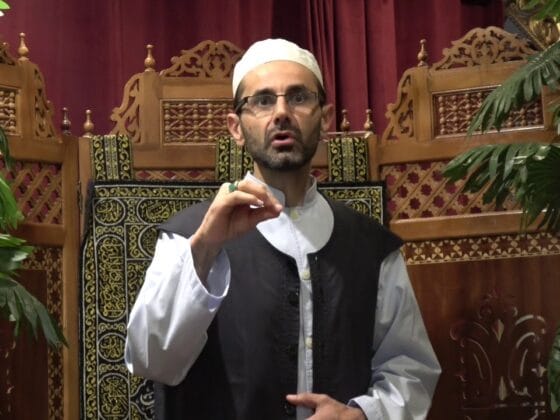

In this heartfelt sohbet the gathering explored one of the most pressing topics that resurfaces in our contemporary discourse: batıl inanç (false belief). The discussion moved from the classical definition of şirk—associating partners with Allah—to the subtle ways it can appear in modern practice, the relationship between bid‘ah and şirk, and how everyday objects become entangled in our spiritual lives. Our aim is to present these reflections clearly, so that each member of the Royal Ottoman Society may examine his or her own intentions and keep the heart firmly directed toward Allah.
What Is Shirk?
The talk began by recalling the Qur’anic meaning of şirk: the act of placing anyone or anything alongside Allah as a partner in worship. The term originates from the polytheists (mushrikûn) who fashioned idols and statues, but it also covers later phenomena that the early prophets warned against. A recurring theme was kutçuluk—the tendency to attribute divine qualities to created things—a problem traced back to the time of Prophet Idris (Aleyhisselam), when deceptive influences first appeared after his ascent.
While the worship of statues is an obvious form of şirk, the sohbet highlighted several “hidden” expressions that can be harder to recognize:
- Worldly attachment – when love for material wealth, status, or even beloved people becomes the ultimate reliance, eclipsing love for Allah.
- Invisible partnerships – believing that money, a car, a piece of clothing, or a personal habit can independently grant success or protection.
- Rituals that mimic worship – lighting candles, tying cloths (çaput), chanting adaka, or other practices performed with the expectation that they alone will bring healing or blessings.
The speaker emphasized that intention is the decisive factor. If a practice serves as a cultural reminder of Allah’s presence, it remains permissible; when it becomes a means through which one seeks divine power apart from Allah, it slips into şirk.
Bid‘ah Versus Respectful Remembrance
Another point of confusion addressed in the sohbet was the relationship between bid‘ah (innovation) and şirk. Bid‘ah denotes any practice not found in the prophetic tradition. While many innovations are discouraged, some—known as “hasan” (good) innovations—may benefit the community without constituting şirk. The key is to examine whether a new act is intended as worship or merely as respectful remembrance.
Examples discussed included:
- Placing relics such as the Prophet’s beard, pieces of the Ka‘ba covering, or the stone of Hâcer eş-Şevvê in mosques and treating them with honor.
- Touching these objects for spiritual reflection rather than believing they possess independent power.
When believers hope that the object itself will heal or protect without first invoking Allah, the act drifts toward şirk.
Sacred Objects, Intentions, and Healing
Personal anecdotes illustrated how sacred items can become vessels of sincere supplication. One participant shared a story about receiving a small piece of the Ka‘ba covering as a gift for a sick relative. The object was placed on a bedside table with a heartfelt prayer, not as an independent talisman. In this way, the relic served merely as a reminder of Allah’s mercy, while the true source of healing remained divine.
The discussion also touched on modern psychology: belief activates brain regions associated with hope and recovery. A referenced Japanese study showed that a simple piece of paper, when imbued with sincere faith, can trigger genuine physiological relief. The lesson is clear—faith in Allah remains the ultimate healer, while any external aid functions only as a conduit.
Faith, Community, and Self‑Examination
To safeguard against hidden şirk, the sohbet offered practical guidance:
- Regularly examine motives behind every ritual or object we cherish.
- Seek knowledge from authentic sources—the Qur’an, Sunnah, and reputable scholars—to distinguish reverence from worship.
- Engage with the community, drawing strength from collective remembrance and shared wisdom.
By staying vigilant, we ensure that our practices reinforce, rather than undermine, our trust in Allah.
Closing Thoughts
Our tradition teaches that every act—visible or hidden—should be a sincere reminder of the One who created all things. When we honor sacred objects, cultural customs, or personal habits with pure intention, they become pathways to greater consciousness of Allah; when we elevate them to divine status, we risk falling into şirk. May our hearts remain attuned solely to the Creator, and may each step on our spiritual journey be guided by humility and love.
We invite you to deepen this exploration together. Join our live meetings, where scholars discuss these topics in detail and provide personal guidance: https://royalottomans.com/live-meetings
May Allah keep us steadfast on the straight path, free from false beliefs, and ever aware of His boundless mercy.