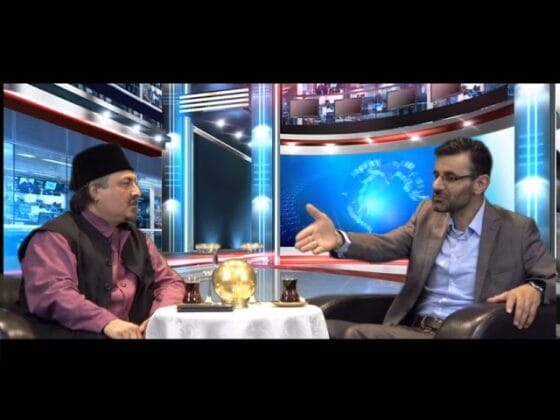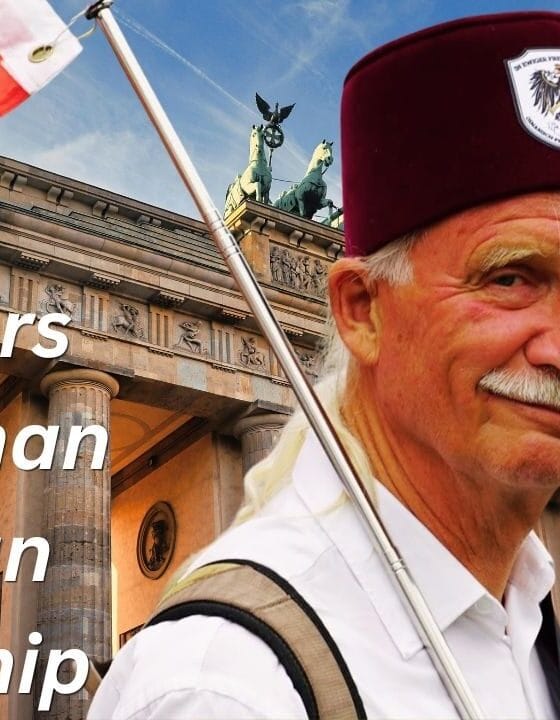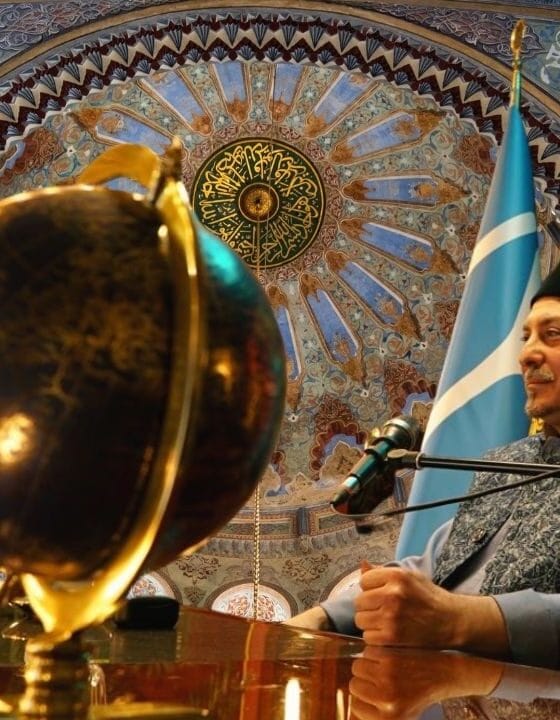
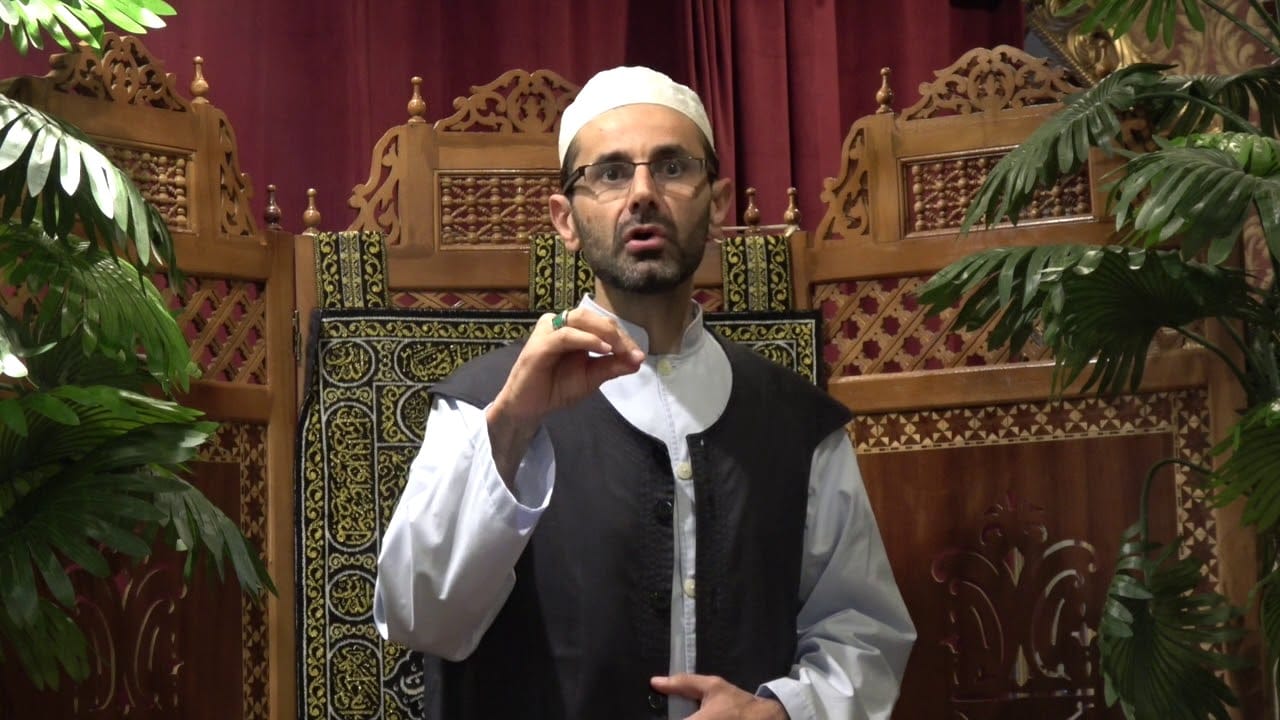
In this heartfelt Friday sermon delivered on 6 October 2017, Mehmet Küçük turned our attention to the brief yet profound chapter of the Qur’an known as Surah Al‑ʿAsr. Beginning with the solemn oath “By time,” the verse reminds us that humanity is, by default, in loss unless it embraces a concise four‑point roadmap laid out by Allah. The talk wove together Qur’anic exegesis, prophetic tradition, and contemporary challenges, offering both spiritual insight and practical guidance for today’s believers.
The Oath of Time and Its Significance
Mehmet Küçük explained that the opening oath “By time (al‑ʿasr)” is not merely a rhetorical flourish. In the Qur’an, an oath invokes one of Allah’s perfect attributes—in this case, His eternal nature—and signals that what follows deserves our utmost attention. The oath therefore calls every listener to recognize that the very fabric of existence is a test, and that neglecting this reality leads to loss.
The Four‑Point Roadmap
The sermon highlighted the four pillars that Surah Al‑ʿAsr presents as the remedy for humanity’s default state of loss:
- Faith (Imān) – Belief in Allah, His Messenger, and the unseen is the foundation. Only those who truly trust in Him are exempt from the general condition of loss.
- Righteous Deeds (ʿAmal Ṣāliḥ) – Faith must be expressed through sincere actions performed for the sake of Allah alone; mere ritual without intention falls short.
- Enjoining Good and Forbidding Evil (Al‑wāsiṭa wa‑n‑nāṣīḥ) – A believer’s responsibility extends beyond personal piety to actively recommend virtue and discourage vice within the community.
- Patience (Ṣabr) – Perseverance is indispensable, especially when worldly trials test our commitment to the previous three points.
Each of these elements was illustrated with Qur’anic verses and hadith, showing how they interlock to form a complete spiritual compass.
A substantial portion of the talk addressed the bewildering flood of religious opinions that characterizes today’s “information age.” Mehmet Küçük warned that many voices—professors, influencers, self‑styled scholars—present contradictory or even harmful guidance. This cacophony can leave believers confused about whom to trust.
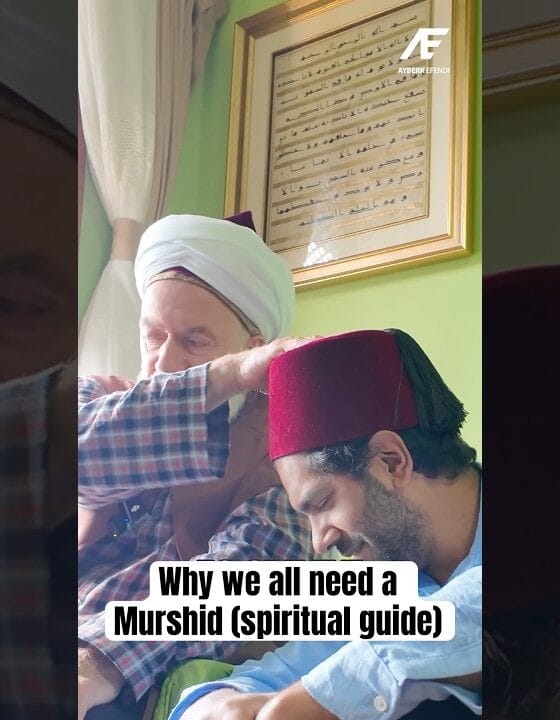
The solution he offered is rooted in the Sufi tradition of seeking an Allah‑friend (a true spiritual guide). By attaching oneself to a trustworthy teacher who embodies Qur’anic and prophetic wisdom, a seeker can filter out noise and remain steadfast on the straight path. The sermon encouraged every listener to find a mentor whose knowledge is verified by ijāzah (authorized transmission) and whose character reflects sincerity.
From Knowledge to Living Practice
To translate the four‑point roadmap into daily life, Mehmet Küçük outlined three concrete steps:
- Acquire Proper Authorization (Ijāzah) and Competence – Study under recognized scholars until the knowledge becomes internalized, not merely academic.
- Transform Knowledge into Sincere Action – Apply what has been learned with humility, ensuring deeds are performed solely for Allah’s pleasure.
- Exercise Collective Responsibility Under Supervision – Engage in enjoining good and forbidding evil while remaining accountable to a qualified mentor.
By following this sequence, believers safeguard themselves against the pitfalls of self‑appointed authority, which often leads to division and spiritual injury.
A Warm Invitation
The sermon concluded with an invitation to deepen one’s practice within the supportive environment of the Royal Ottoman Society. We welcome all who feel the tug of these timeless teachings to join our live meetings, where seekers can take Bay’ah, receive personalized guidance, and walk the path together under experienced mentorship.
May Allah grant us steadfastness on this journey, and may our Friday gatherings continually illuminate the concise yet complete counsel of Surah Al‑ʿAsr.