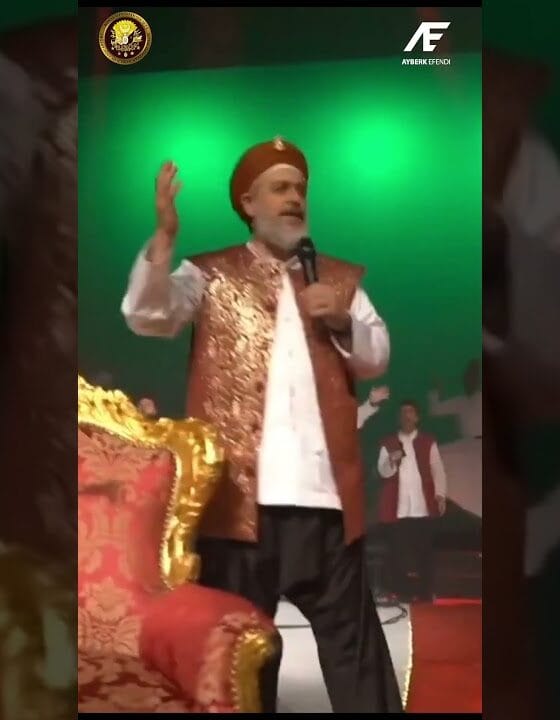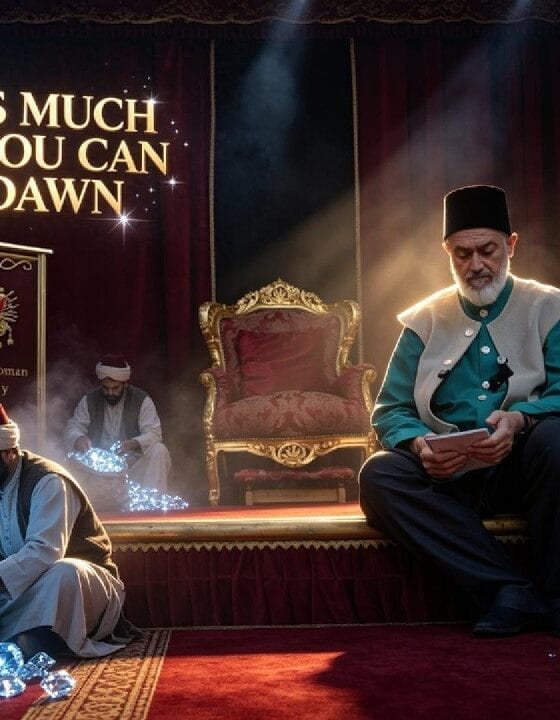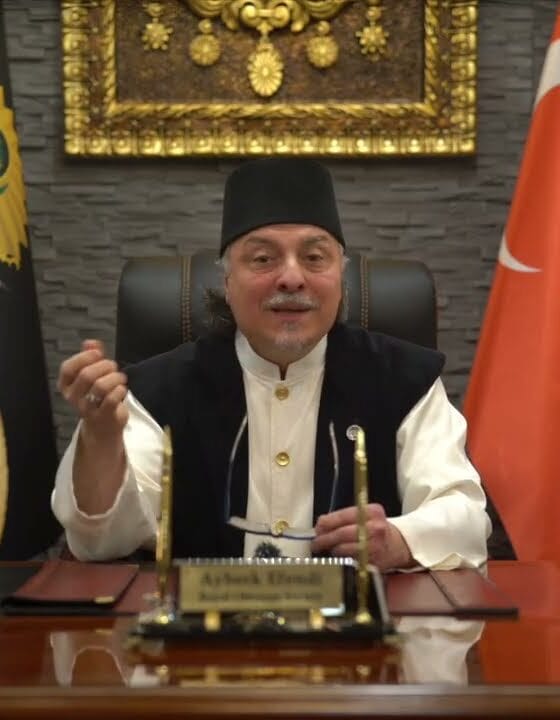
In this heartfelt sohbet, Ayberk Efendi invites us to contemplate a timeless truth: the world we inhabit often feels like a narrow cell, and our own ego‑driven desires become the bars that keep us confined. Beginning with the blessed opening Bismillahirrahmanirrahim—“In the name of Allah, the Most Compassionate, the Most Merciful”—he reminds us that every sincere request for what is good opens a door toward freedom.
Ayberk Efendi describes how modern humanity, especially in the twenty‑first century, has become trapped by selfishness and endless longing. When a person says “I am bored,” “I feel cramped,” or “I am anxious,” those words already name an inner prison. The feeling of confinement is not merely physical; it is a mental state that convinces us we are free while we remain bound by our own expectations.
To illustrate the possibility of transcendence, he recounts the story of Prophet Yusuf (peace be upon him). Although Yusuf spent years in an Egyptian dungeon, his inner world remained expansive because he knew his true destination lay beyond the walls. Similarly, the early walk of Adam on earth is portrayed as a moment of absolute sovereignty—Adam believed the whole world belonged to him until another “owner” appeared and a conflict over boundaries erupted. These narratives show that clinging to external ownership and comparison invites perpetual struggle.
A central theme of the sohbet is the danger of endless expectation. We constantly seek larger plots of land, bigger houses, more possessions—each acquisition promising relief from the feeling of confinement yet only tightening the bars. Ayberk Efendi urges us instead to practice kanaat (contentment), describing it as a hidden treasure that can dissolve the craving for expansion. When we accept what Allah has already provided and expand our hearts rather than our property, the prison walls begin to fade.
The path out of the cell, he explains, begins inside. We are encouraged to look beyond material “prisons” and seek an inner guide—akin to a navigator who points us toward the “gate of exit” from this world’s illusion. By widening our hearts, releasing egoic competition, and anchoring ourselves in divine remembrance, we step onto a path that leads out of both external and internal confinement.
Ayberk Efendi’s reflection reminds seekers within the Royal Ottoman Society to recognize the subtle chains that bind us today, to remember prophetic examples of steadfast inner freedom, and to cultivate contentment as the key that unlocks our spiritual cells. May each of us find the courage to break out of our inner prisons and walk toward true liberty.
For further study, the Society’s digital library offers a collection of related talks and writings: Royal Ottoman Library.