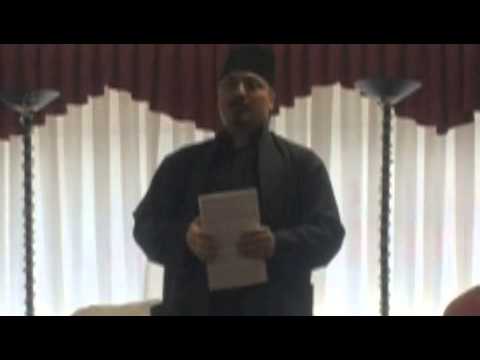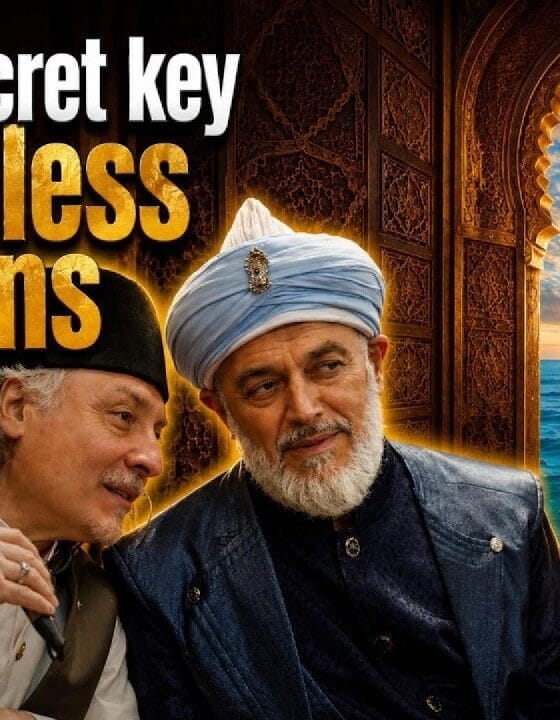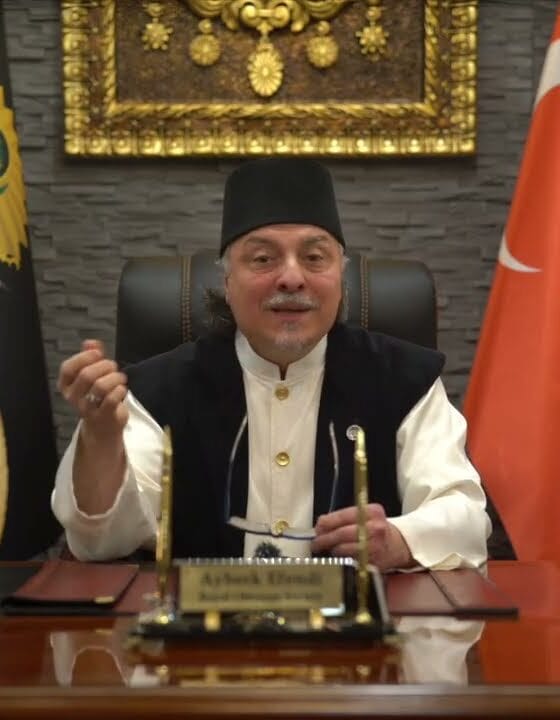
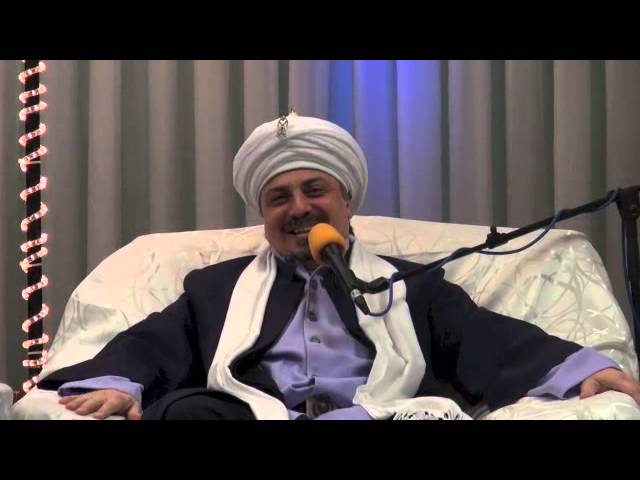
In this heartfelt sohbet recorded on 13 February 2015, Ayberk Efendi invites seekers to contemplate two complementary images of the Sufi path: becoming like water and becoming like a sheikh. Through vivid description, Qur’anic allusion, and an illustrative historical anecdote, he reminds us that every soul carries a promise made before birth—a pledge to worship Allah—that should shape every step of our inner journey.
The Symbolism of Water
Ayberk Efendi begins by describing water as the source of life: it gives breath, nourishes the body, cools the heat of the world and brings ease to all who encounter it. Its clarity reveals purity; when we look into clear water we see not only its brilliance but also a reflection of ourselves illuminated by divine light. In Sufi terminology this image points to tazkiyah—the purification of the heart that allows the seeker to perceive Allah’s presence within.
Water, therefore, is more than a physical element; it is an invitation to embody humility, adaptability and inner clarity. The sheikh, he explains, mirrors these qualities while adding the dimension of hope (ümid) that surpasses even water’s sustaining power.
The Sheikh as a Vessel of Divine Light
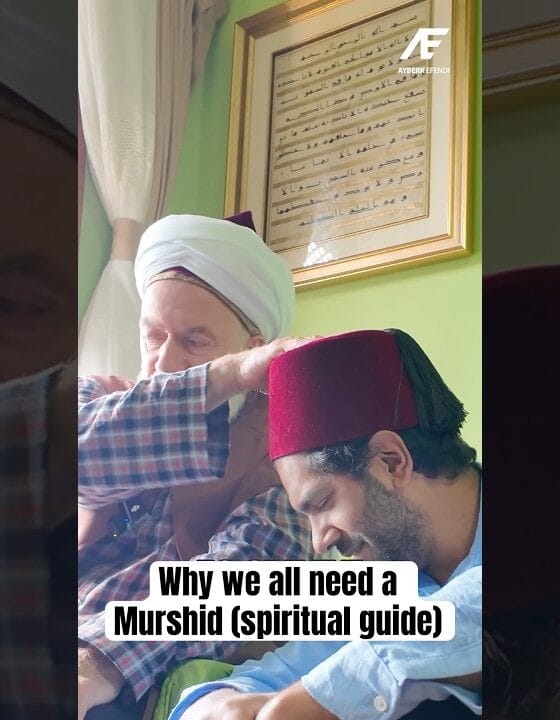
When the discussion turns to the figure of the sheikh, Ayberk Efendi emphasizes that a true spiritual guide carries the same crystal purity as pure water, yet also serves as a conduit for the Prophet’s light. The sheikh “holds the promise of the Qur’an” and offers disciples a tangible way to see themselves reflected in the Divine. If the seeker possesses the inner eye and sincere surrender, following the flow of the sheikh leads naturally toward taslim—complete submission.
Thus the sheikh is not an opposing choice to water; he is water made manifest, offering both clarity and direction on the path to Allah.
Remembering the Pre‑Existential Promise
A central thread throughout the sohbet is the notion that every soul makes a covenant with Allah before descending into this world: “I will worship You.” Ayberk Efendi reminds us how easily this promise can be obscured by worldly distractions—bright lights, pleasures, and material pursuits that draw our attention away from the Divine.
He asks us to reflect on when we truly recall that pledge. Often it is in moments of hardship, when desperation drives us toward Allah not out of love but merely for relief. True remembrance, however, should arise from a sincere desire to honor the original vow, regardless of circumstance.
The Tale of Sultan Mahmud Ghazni
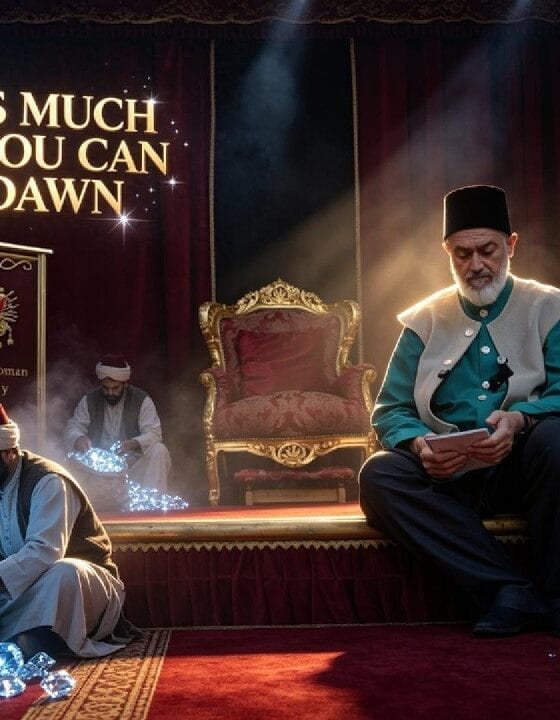
To illustrate steadfastness, Ayberk Efendi recounts the legendary expedition of Sultan Mahmud of Ghazni against a vastly larger Indian army. Surrounded by elephants, panthers and an overwhelming force, the Sultan turned to prayer:
“O Lord, if You do not aid us none shall survive; but if You grant victory, I will distribute every treasure among the poor without keeping a single coin.”
The Sultan’s vow mirrors the pre‑existential promise: a pledge to surrender worldly gain for divine purpose. After triumph, his viziers urged him to keep the spoils, arguing practicality over piety. Yet the Sultan remained firm, recalling his oath to Allah and choosing charity over wealth. The story serves as a concrete example of aligning one’s actions with the covenant made before birth—whether on a battlefield or in daily life.
Integrating the Two Paths
Ayberk Efendi concludes that “being like a sheikh” and “being like water” are not contradictory choices but two aspects of the same spiritual reality. The sheikh embodies the purity and transparency of water while also providing the hope and guidance necessary for the seeker’s journey toward Allah.
If we possess the inner eye to see, we follow the flow of water; if we trust in a true sheikh, we submit to his guidance; and throughout, we keep before us the ancient promise to serve the One who created both. By internalizing these images, our hearts become clear vessels, ready to receive divine illumination.
For those wishing to explore these themes further, our digital library offers a collection of classical texts and contemporary commentaries on Sufi metaphysics and Ottoman spirituality.