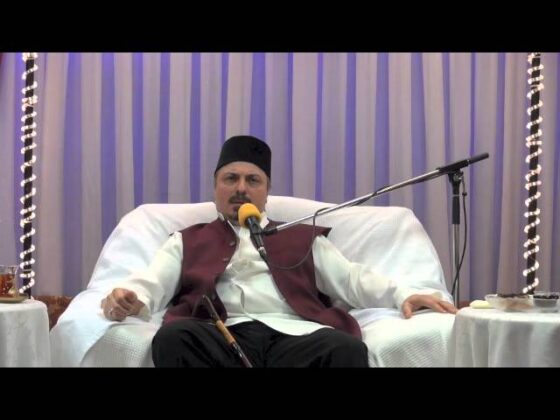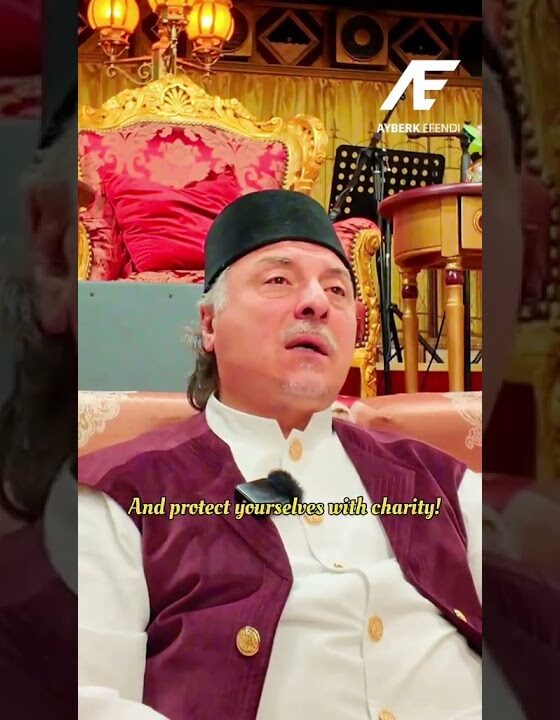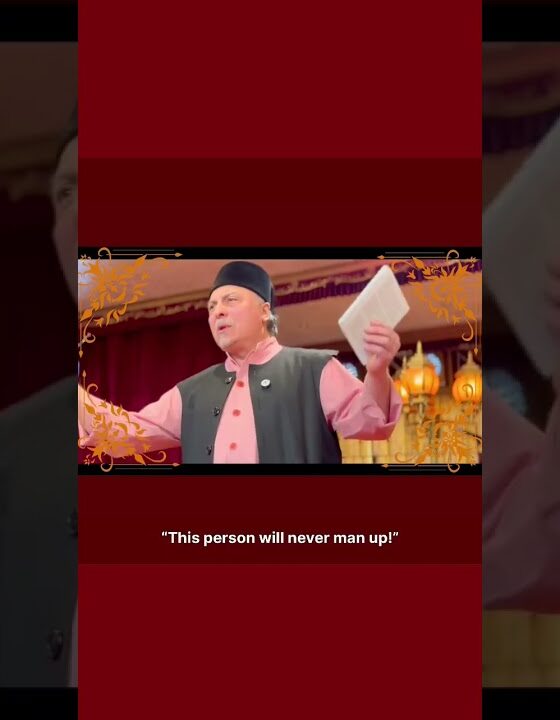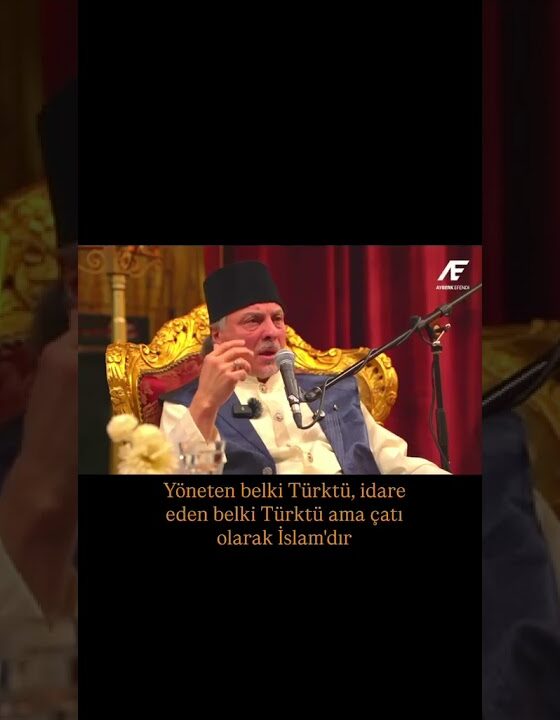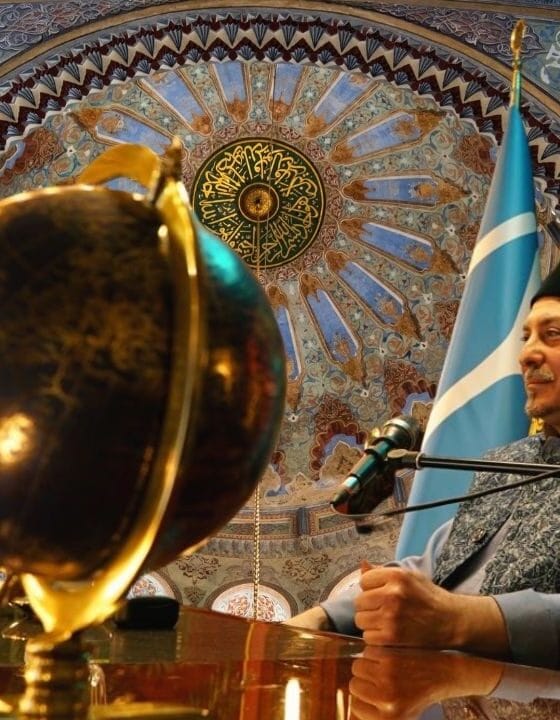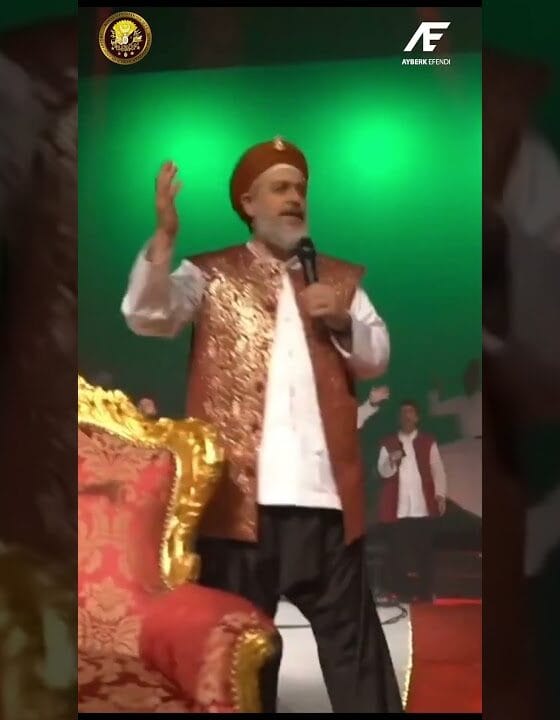
In a gathering titled “Vekilliğin Hususiyeti” (The Particularity of Vekil), Ayberk Efendi spoke about the Sufi understanding of true happiness, responsibility and authentic spiritual representation. He reminded us that lasting joy is found not in worldly success but in pleasing Allah, in whose Hand alone lies destiny.
The Source of True Happiness
Ayberk Efendi began with Bismillahir‑Rahmanir‑Rahim. A seeker who wishes to be happy, he explained, must first seek to please Allah. All control—over our joys, our sorrows and the weight of our burdens—rests with Him. When we anchor ourselves firmly in the Divine, we discover that every difficulty is also a mercy, for the One who grants relief also knows, in perfect wisdom, when to withhold it.
Choosing the Right Branch
A metaphor ran through the sohbet: the faithful must cling not to any sturdy‑looking branch but to the right branch. Many assume that a strong branch guarantees stability, yet Ayberk Efendi asked how much weight that branch can truly bear. Human strength is finite; patience and endurance have limits. A person may support his own family, perhaps even help relatives, but cannot endlessly carry the burdens of countless others without breaking.
The solution is to place our trust in a branch whose root rests in Allah alone. Such a branch does not collapse under the weight of worldly trials.
The Two Paths of Halifelik
Drawing on the Qur’an, Ayberk Efendi described humanity’s original purpose as halife (vicegerent) on earth. This role divides into two mutually exclusive paths:
- Halifelik for the Truth (Allah) – the believer whose will is wholly aligned with the divine command.
- Halifelik for the Deceiver (Shaytan) – the soul whose allegiance drifts toward worldly allure and false power.
There is no middle ground; each heart must choose a side. Those who claim to represent Allah but act out of self‑interest become, at best, shepherds (çoban) or guards (bekçi). Their service—organizing prayers, distributing food—may help for a time, but it cannot carry the community over spiritual mountains or give it lasting resilience.
Recognizing a Genuine Vekil
Ayberk Efendi offered practical criteria for recognizing an authentic vekil (representative of Allah):
- Embodiment of divine character – speech, deeds and demeanor reflect mercy, justice and wisdom.
- Capacity to carry others’ burdens – the ability to support his own family and community without breaking under pressure.
- Consistency with the Prophetic example – as the Prophet (peace be upon him) was the ultimate vekil, a true representative mirrors that role in word and action.
Someone who merely preserves the status quo, hides personal ambition or lacks these qualities is not a genuine vekil but a temporary caretaker.
The Test of Endurance
Ayberk Efendi illustrated the limits of human reliance with a striking image: even if billions of shoulders joined together to support one person, they would eventually tire and give way, because every human being has a limit of endurance. We must therefore seek a single, unbreakable back—the one that rests upon Allah alone.
He compared this to a bus: when the driver is replaced smoothly, the passengers notice no disruption; when the replacement lacks the skill, the journey falters. True spiritual leadership likewise sustains continuity without upheaval.
Closing Reflections
The sohbet ended with an invitation to self‑examination: each seeker should look into his own mirror before trusting another’s reflection. By aligning ourselves with those whose strength comes from Allah, we gain a foundation that will not yield under the pressures of this world.
For those who wish to explore these teachings further, our digital library and our publications offer classical and contemporary works on Sufi thought, including concepts such as vekil and halifelik.
May we all find the steadfast branch that leads to true happiness, guided by the Light of Allah.