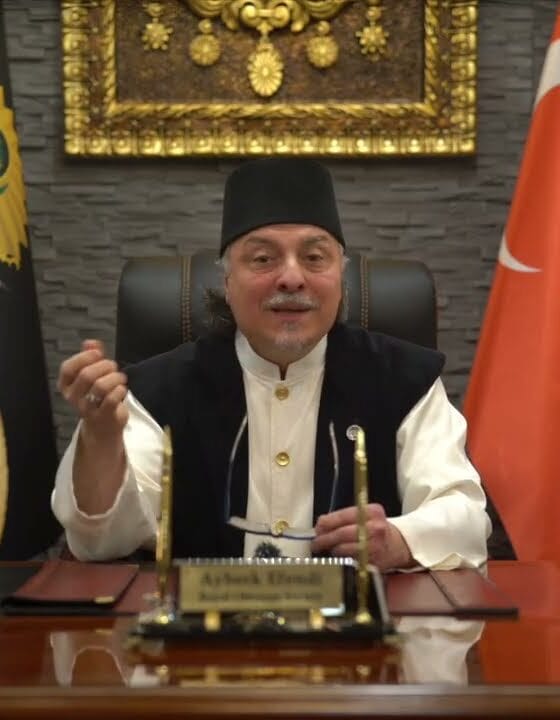
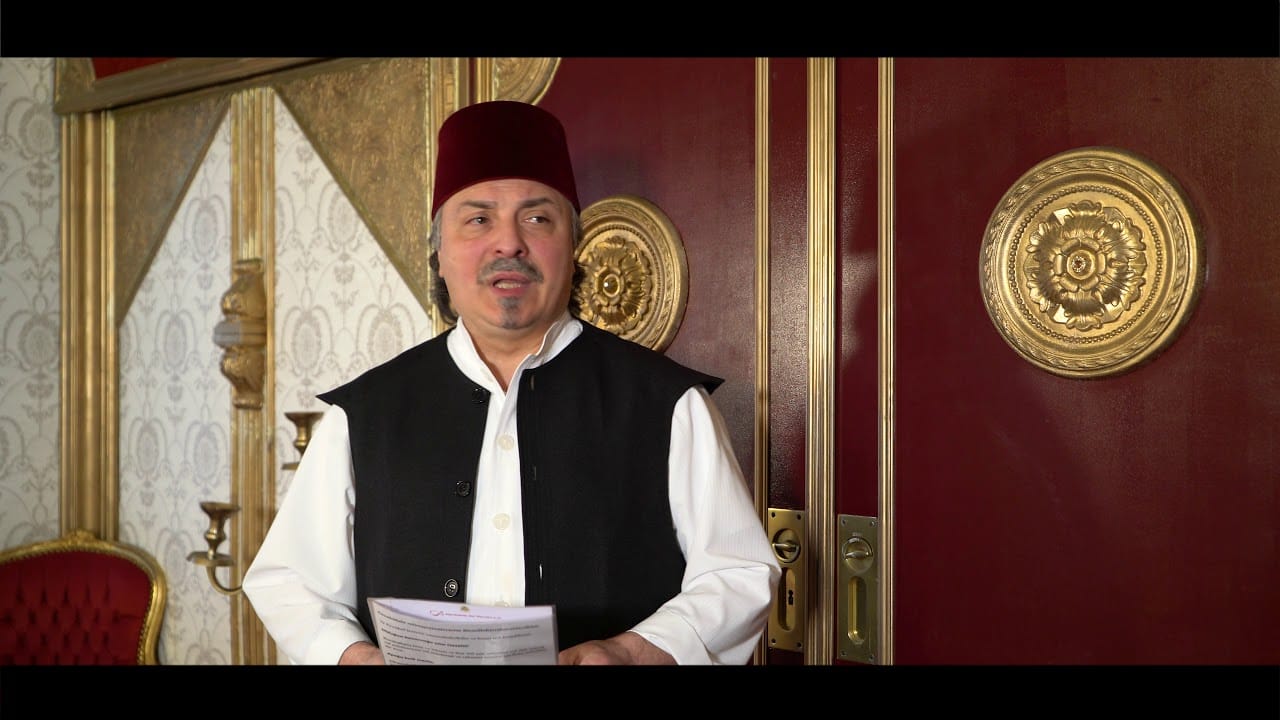
In this heartfelt khutbah, Ayberk Efendi invites us to reflect on the most profound example of repentance ever given: the story of Adam (peace be upon him). He reminds the community that true tawba (repentance) is not merely a ritual utterance but an inner transformation modeled after humanity’s first prophet.
Ayberk Efendi begins by recalling how, after stepping onto earth and realizing their disobedience, Adam and Hawwa immediately fell to their knees, raised their hands, and implored Allah for mercy. Their plea was sincere, free of excuse, and rooted in a deep awareness that the very act of sin had wounded the divine trust between Creator and creation. This humility is what distinguishes genuine repentance from superficial regret.
From this archetype, we learn three practical steps:
- Recognition of the fault – Adam did not hide his mistake or blame external forces; he accepted responsibility for having eaten from the forbidden tree. Likewise, we must first acknowledge our misdeeds without rationalizing them.
- Sincere remorse – The Qur’an describes Adam’s heart as “filled with sorrow.” Our repentance must be accompanied by an inner ache that moves us to change, rather than a fleeting feeling of guilt.
- Earnest supplication and resolve – Adam’s prayer was not just words; it was a firm intention to return to obedience. After seeking forgiveness, we must set a clear intention to avoid the same lapse.
Ayberk Efendi emphasizes that this model remains timeless. In today’s fast‑paced world, where errors can feel impersonal and distant, returning to Adam’s simple yet profound act—kneeling, raising one’s hands, and speaking from the heart—grounds us in humility before the Divine. He also points out that each sincere tawba erases the stain of past sins, restoring our spiritual rank as if we had never strayed.
The teaching concludes with a reminder that forgiveness is always within reach when approached with Adam‑like sincerity. As a community rooted in Sufi tradition, we are encouraged to incorporate this posture into daily zikr and personal reflection, allowing the spirit of repentance to continuously renew our connection with Allah.
For those wishing to deepen their practice of tawba and explore related dhikr, the Society’s online library offers daily supplications and guided reflections. You may visit it here: https://royalottomans.com/kutuphane
May we all embody Adam’s humility, seek Allah’s boundless mercy, and walk forward on the path of sincere repentance.