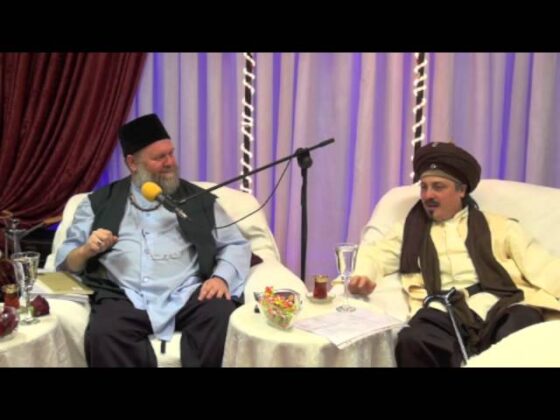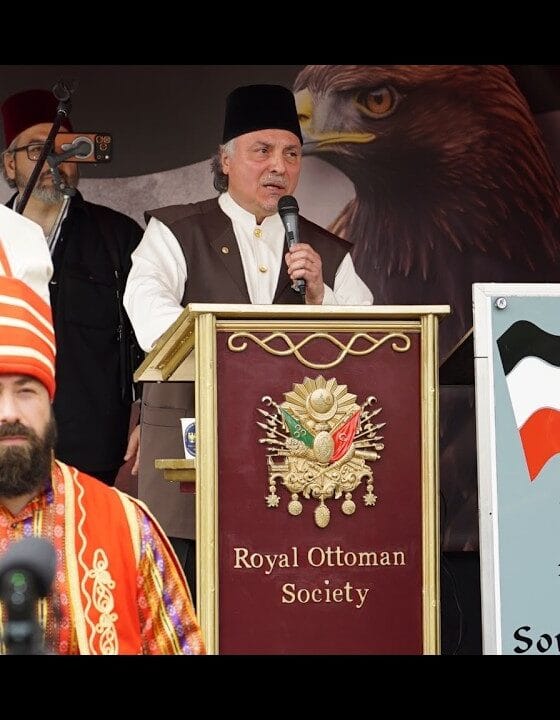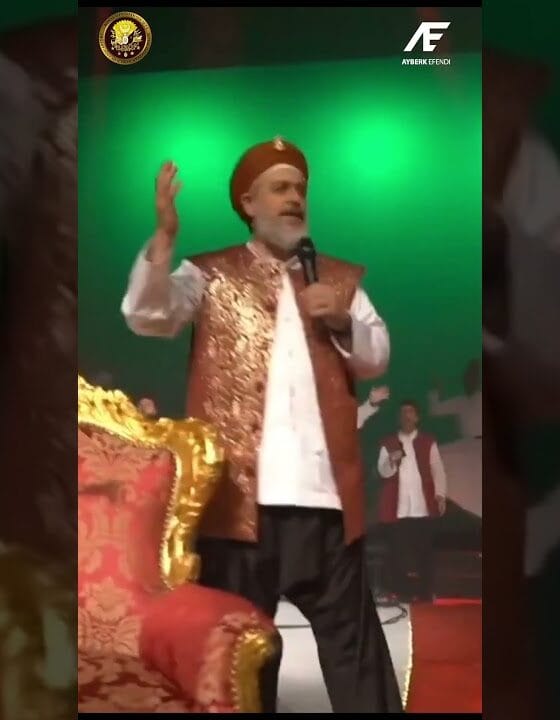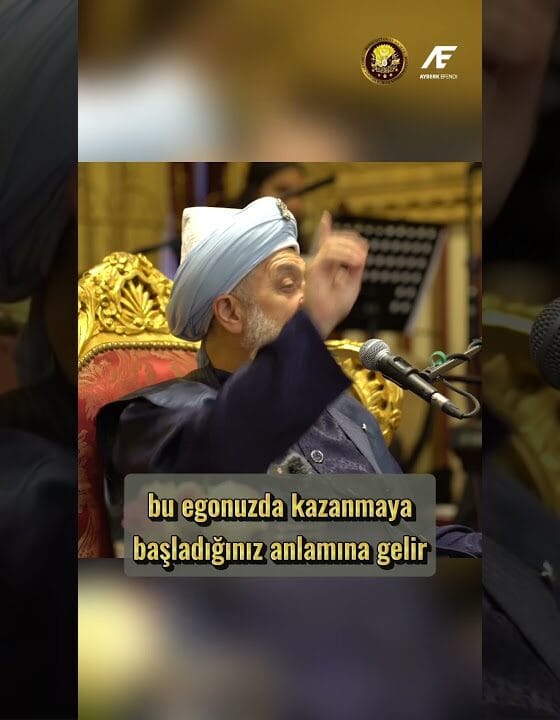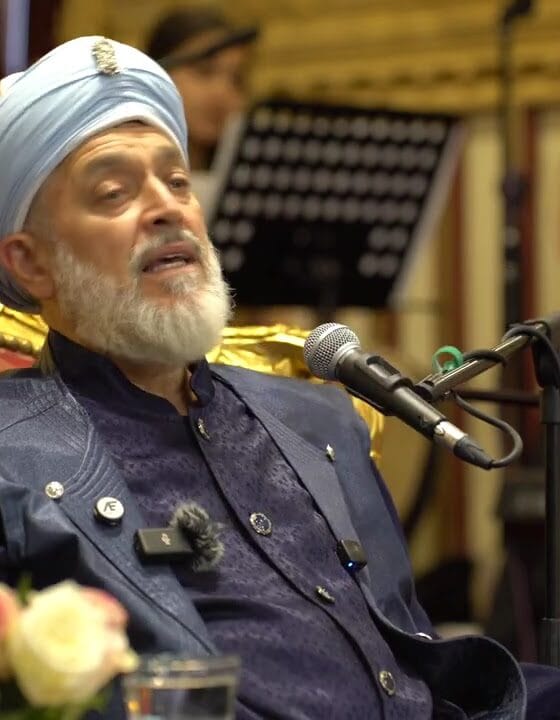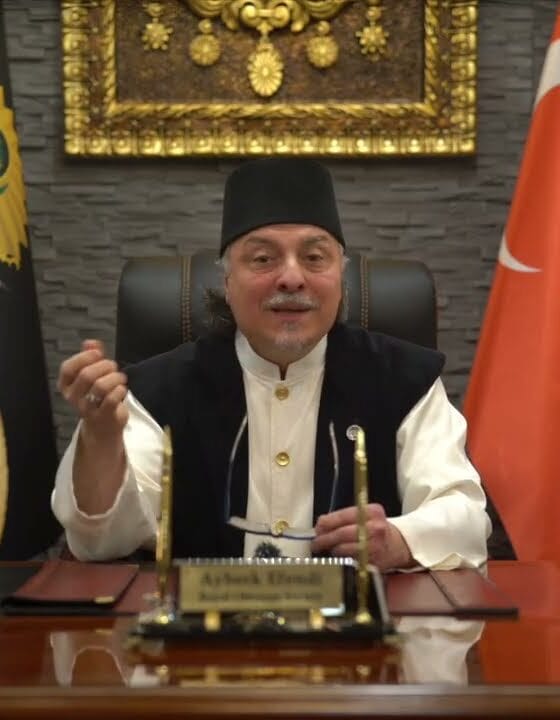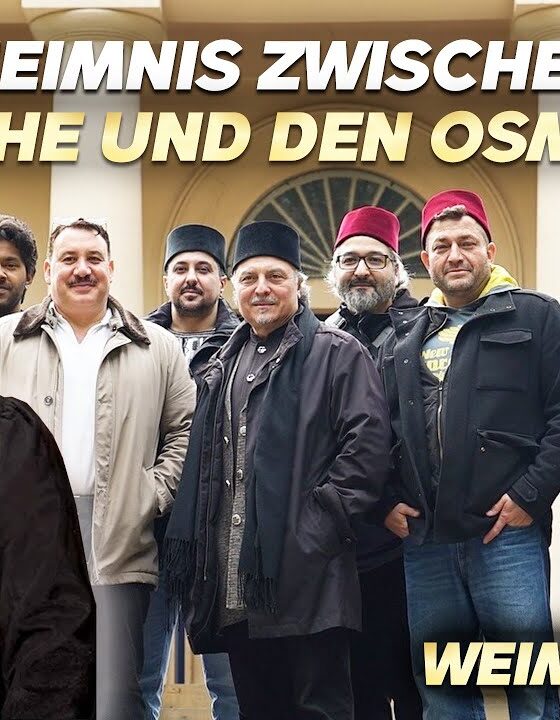

During a recent visit to Vienna, Ayberk Efendi and Sheikh Abdulhayy Efendi gathered with members of the Royal Ottoman Society for an informal sohbet that unfolded into a gentle reminder of divine wisdom. Speaking in Turkish, they invited listeners to pause before letting doubt or complaint take hold, emphasizing that the ultimate decree of Allah—Cenâbi Hakkin hikmetinden sual olunmaz—lies beyond human interrogation.
The Unquestionable Wisdom of the Divine
The sohbet opened with a vivid picture of how quickly we become restless when life presents unexpected challenges. When an event appears inexplicable, our minds rush to “why?” and often slip into frustration. Ayberk Efendi gently warned that questioning the Creator’s plan creates inner turbulence, pulling us away from the serenity that comes from trusting the unseen hand of God. The teachers reminded us that every circumstance, whether it feels pleasant or painful, is part of a larger tapestry woven by divine wisdom that our limited perception cannot fully grasp.
Many Paths of Destiny
Rather than portraying fate as a single, unchanging line, the speakers described destiny as a multitude of directions. Traditional teachings speak of six primary bearings, yet within each lie countless sub‑paths—so every turn we make generates its own “kâder.” In this view, what we call fate is not static; it expands with our choices and gazes. Because we cannot see all the possibilities at once, patience and reliance on the guidance sent through prophets, saints, and sacred texts become essential.
Turning Sorrow into Joy
A memorable illustration came from the story of Adam (a.s.), who endured forty years of rain‑like sorrow before a single year of happiness arrived. The teachers used this image to show that grief is not an endpoint but a potential gateway to bliss if we learn to transform it. When we can turn sadness into gratitude, the very act becomes a form of joy—a lesson especially resonant in today’s fast‑paced world where trauma often feels overwhelming.
Compassion Over Complaint
The sohbet also touched on personal grievances—illness, loss, perceived injustice—and how quickly these fuel rebellion against divine will. By recalling Abu Bakr Siddiq’s ten‑year toothache and his humble prayer for relief, the teachers demonstrated that sincere supplication is far more effective than bitter complaint. They encouraged believers to seek inner calm, offer forgiveness even to those who have caused us pain, and recognize that every soul carries hidden blessings.
In closing, Ayberk Efendi emphasized that this gathering was not a formal lesson but a heartfelt conversation meant for hearts ready to listen. “We do not claim the status of teachers; we simply share what the Spirit whispers,” he said, inviting participants to relax into the moment and let the words settle like a gentle lullaby.
If you feel called to deepen your practice and join our community of seekers, we warmly welcome you to explore our Community page. May this sohbet inspire patience, humility, and renewed trust in the unseen wisdom that guides us all.