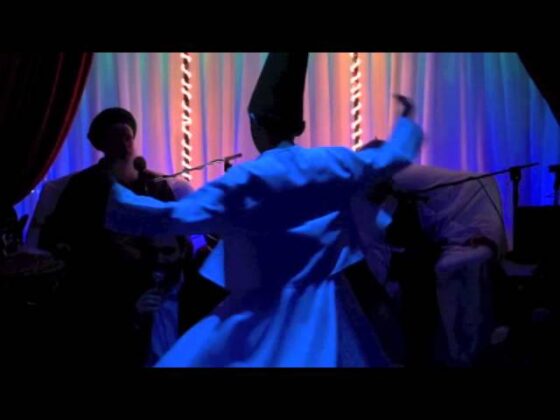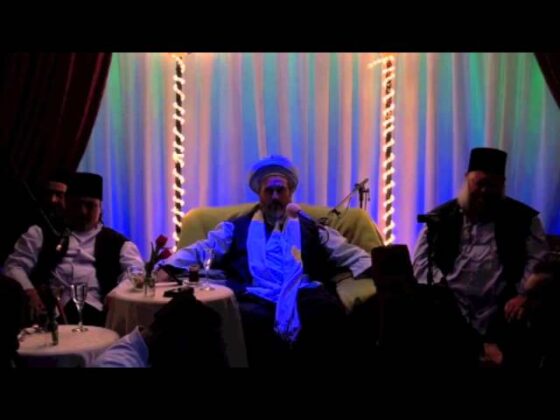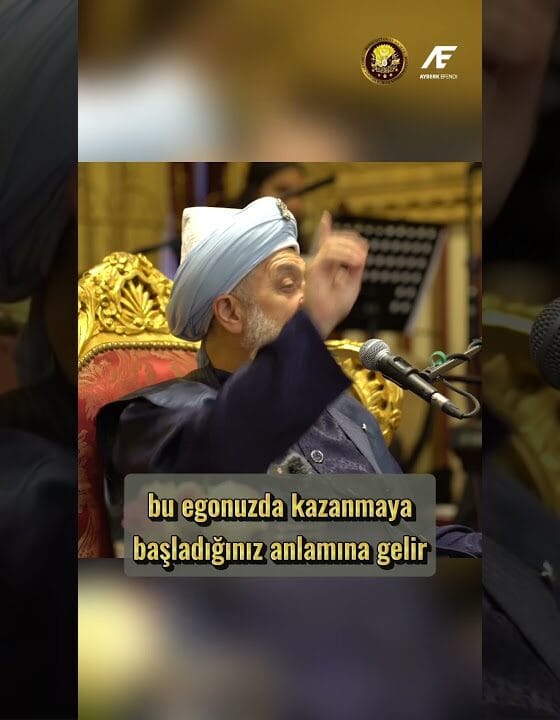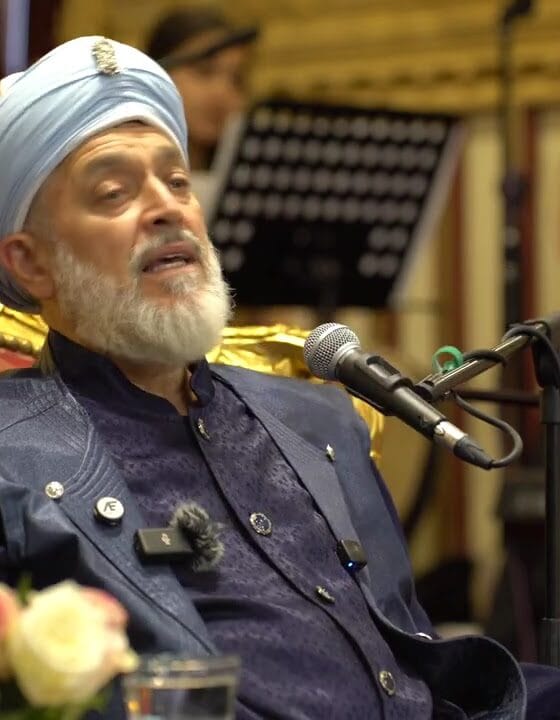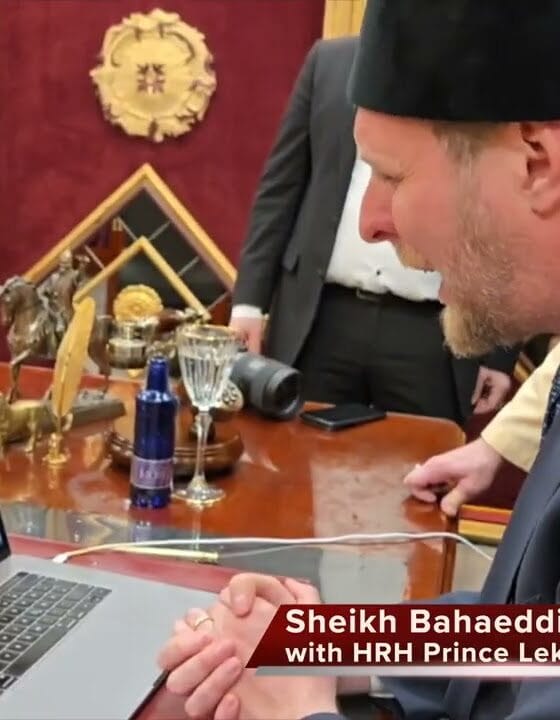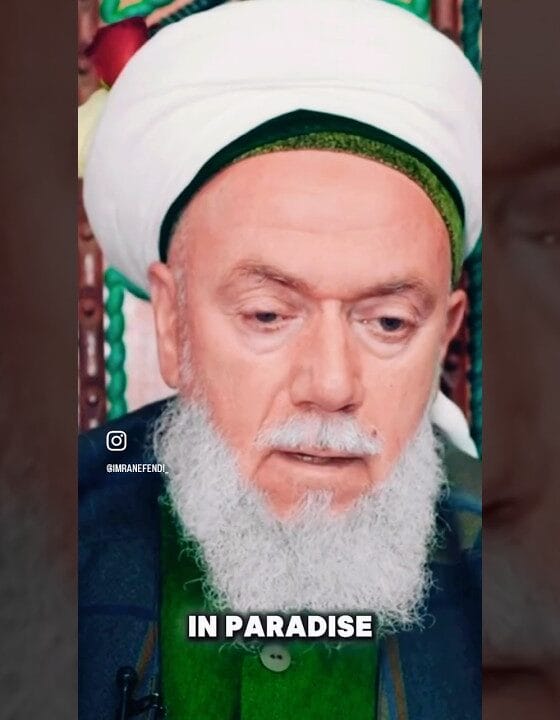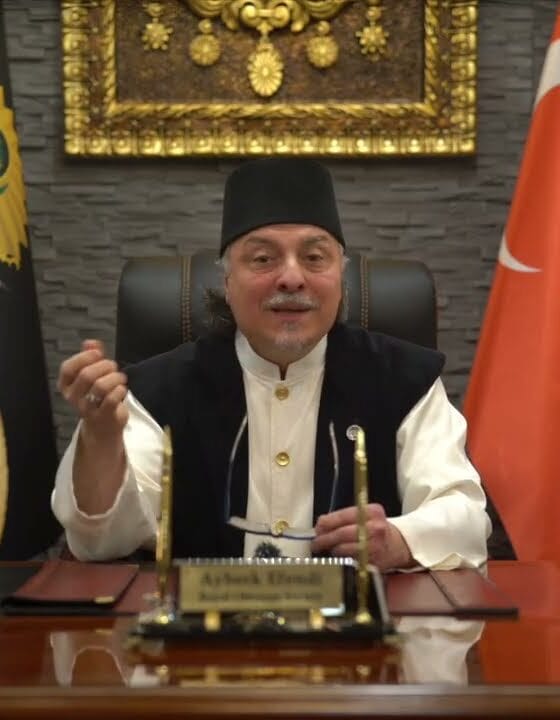
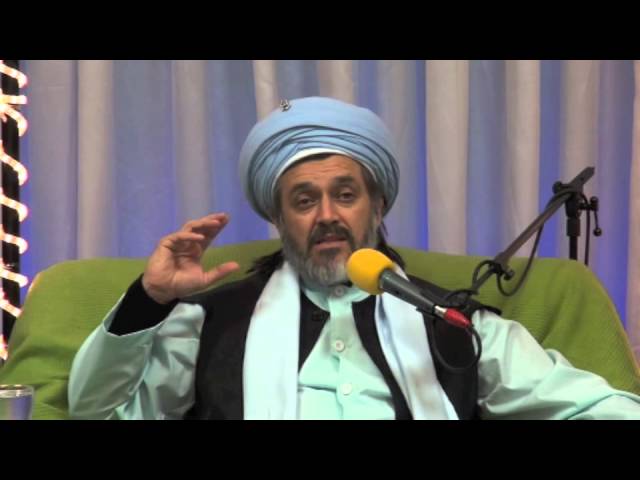
In this intimate sohbet the honored guests Sheikh Bahauddin Efendi and Ayberk Efendi invite us into a profound reflection on ego, identity, and the humble surrender that lies at the heart of the Sufi path. Their dialogue circles around a simple yet paradoxical injunction: “Hic olmaya bak – try not to be.”
The conversation opens with a repeated affirmation—“I am not a sheikh, I am not a scholar; I am no one”—that serves as both mantra and reminder. By continually stating that they are “no‑one,” the speakers illustrate how clinging to titles or personal prestige only reinforces the lower self (nafs). In Sufi terminology this is the nafs al‑ammāra, the ego that insists on being recognized, praised, or feared.
Sheikh Bahauddin Efendi gently points out that when we identify ourselves as “the teacher,” “the seeker,” or even “the disciple,” we create a subtle barrier between our heart and the Divine Presence. Ayberk Efendi adds that this identification is not merely an intellectual error; it becomes a lived obstacle, causing us to chase external validation—whether through scholarly reputation, social status, or material comforts.
The repeated phrase “Don’t try to be” therefore is not a call to passivity. It is an invitation to let go of the self‑making effort and allow the true Self (the divine spark within) to surface unimpeded. In practice, this means cultivating awareness that every thought, feeling, or action originates from the Source, and that we are merely its vessel. When the mind stops trying to fabricate an egoic identity, a spacious silence emerges where sincere worship, zikr, and love can blossom.
Throughout their exchange, both teachers stress that humility is not a fleeting sentiment but a continual practice. They suggest simple steps for seekers:
- Begin each prayer or meditation with the affirmation “I am no one except You.”
- Observe moments when pride surfaces—whether in praise of knowledge or in defending a personal opinion—and gently return to the remembrance of Allah.
- Embrace service without expectation, recognizing that any good deed performed for its own sake still reinforces the ego.
The sohbet concludes with a heartfelt duʿā: “May the blessings and peace be upon our Prophet Muhammad, and may we find the courage to dissolve the illusion of self.” This closing reflects the ultimate aim of the conversation—to align the seeker’s heart with the timeless humility modeled by the Prophet (peace be upon him) and his companions.
For those who feel called to explore this path more deeply, the Royal Ottoman Society offers regular live meetings where Bayah can be taken and guided practice is available. You may learn more about these gatherings at our Live meetings page.
May we all remember that true greatness lies not in being, but in not trying to be—and thereby allowing the Divine Light to shine through us.