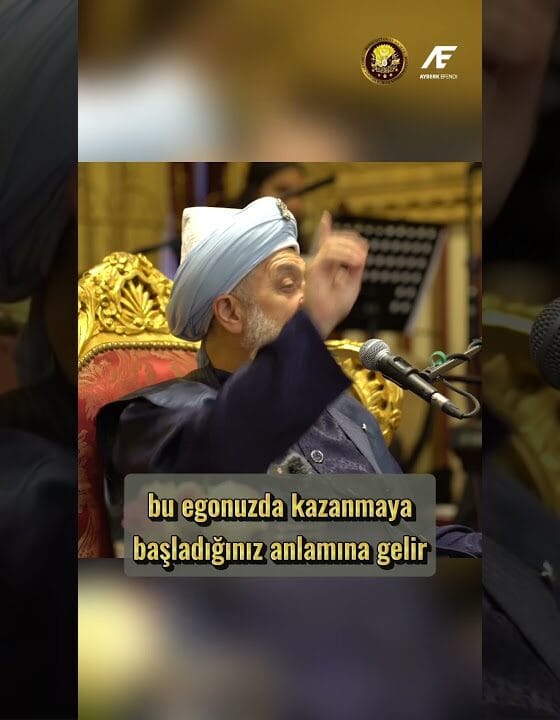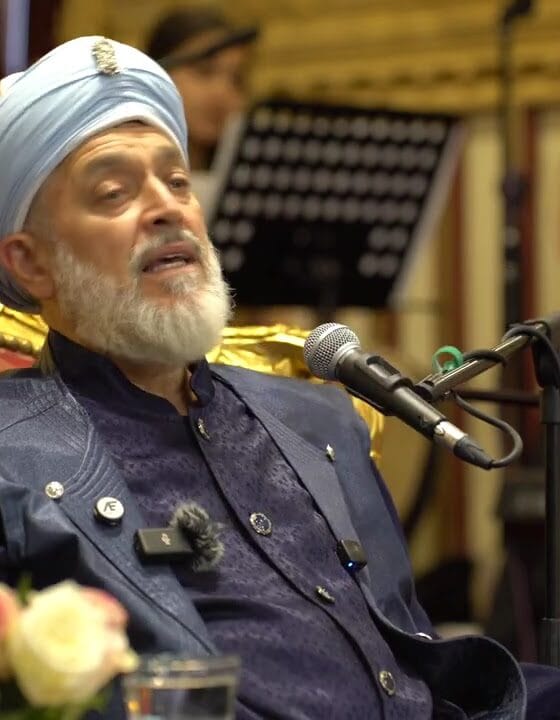
In this sohbet the speakers remind us that death follows every soul just as a shadow never abandons its owner. As long as the body remains upright, the shadow clings; likewise, until our earthly form returns to dust, death walks beside us, urging us to awaken to its certainty. The teaching invites believers to turn fear into reverence by constantly contemplating the inevitable end and preparing the heart for the awakening that follows.
The Qur’an, they note, calls each person to perpetual reflection. By pondering our past deeds, present circumstances, and ultimate destiny, we sharpen an inner vision that sees beyond the “tip of the nose” most people focus on. The Prophet Muhammad (peace be upon him) is cited as urging relentless mindfulness—never tiring, never complacent, always seeking guidance from those who have already glimpsed the final horizon.
Understanding death as a true reality leads to another profound insight: after this life there is real resurrection, an awakening in which the soul no longer experiences death. How we die determines how we will rise. If one lives and dies in alignment with the divine attributes for which each soul was created—embracing sincere servitude, trust, and submission—then death becomes a liberation rather than a terror. Conversely, neglecting this preparation leaves us blind to the end and bound to spiritual error.
The discourse emphasizes that the proper response is not avoidance but active readiness. A believer must strive to become a “true servant of Allah,” cultivating the qualities inherent in one’s nature, so that when death arrives there is no fear—only confidence in the mercy awaiting the soul. In this state, the crossing of the Sirat Bridge can be traversed with the company of prophets, saints, and beloved ones, leading to the gardens of eternal peace.
May we all heed this reminder, keep our hearts ever mindful of the shadow that accompanies us, and live each moment in preparation for the ultimate meeting with our Creator. To continue nurturing this awareness together, you are welcome to explore our community and resources — including a rich library of teachings—through our website.