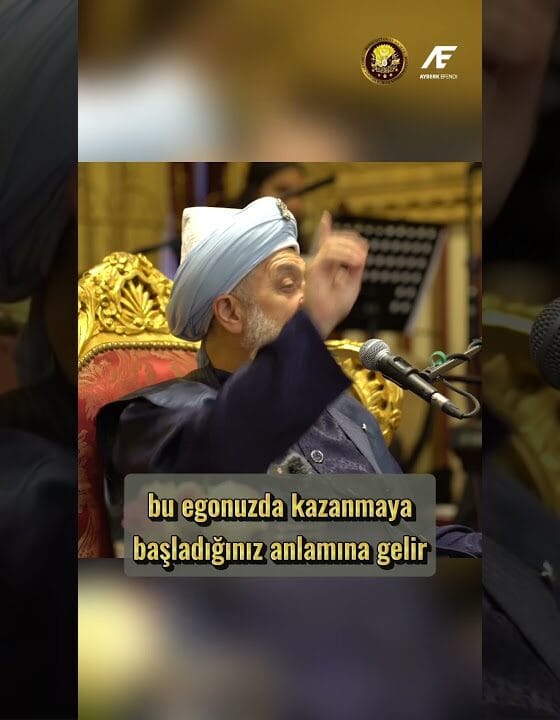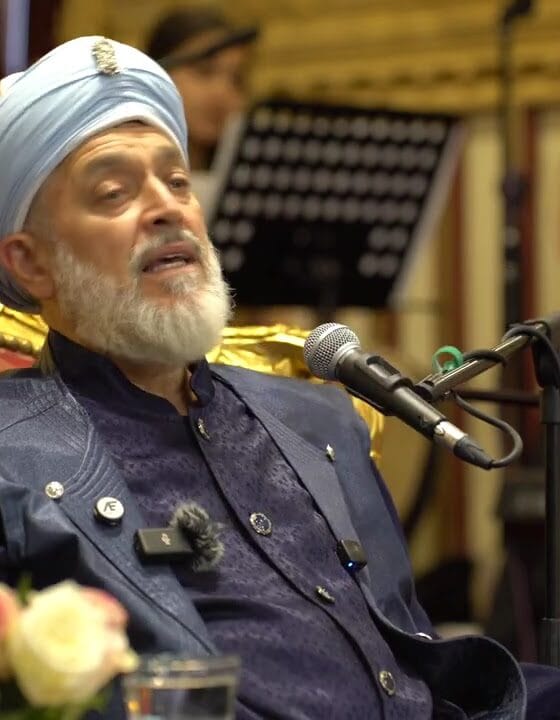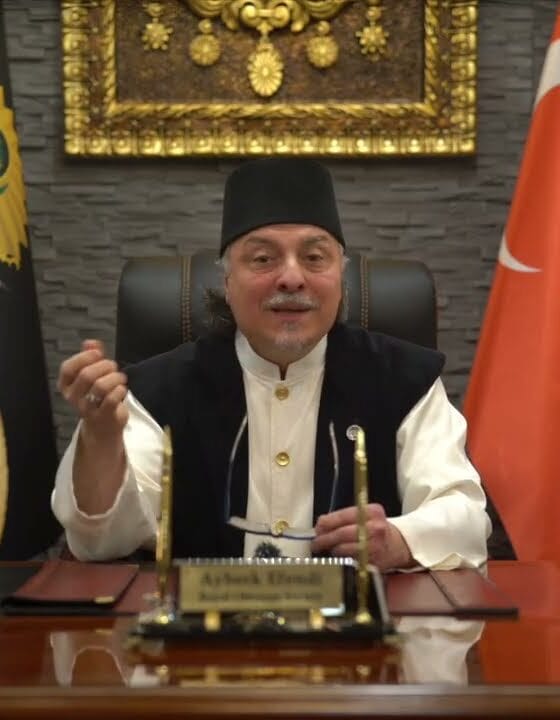

In this Friday sermon, Ayberk Efendi reminds us that the way we perceive the world shapes the reality we experience. He begins by invoking reverence for Allah, emphasizing that the Divine is inherently beautiful and loves beauty. From Qur’an to hadith, the texts make clear that Allah “dislikes ugliness and what leads to it.”
Seeing Through the Lens of Divine Beauty
Ayberk Efendi points out that our judgments about what is beautiful or ugly are often merely reflections of our own limited perspective. One person may deem something repulsive while another finds it attractive; this variance tells us that beauty is not an absolute quality residing in objects but a quality we project onto them. When we look with “crooked eyes,” we see crookedness; when we direct beautiful sight, we perceive beauty even in what first appears flawed.
He stresses that every creation—whether animate or seemingly inert—is crafted with meticulous care by the Almighty. Even stones, which we label as lifeless, have a spirit: they can bear testimony, utter takbîr, and convey salâvat. Recognizing this hidden vitality invites us to abandon the notion of “inanimate” and to understand that every aspect of creation carries divine purpose.
Labeling something—or someone—as ugly is not a harmless preference; it becomes a subtle form of kufr (disrespect) toward Allah, whose perfection underlies all existence. Ayberk Efendi warns that such judgments can erode faith without our awareness. When we judge others by height, complexion, or physical traits, we overlook the divine wisdom embedded in each unique form. The sermon reminds us that even children born with apparent “deficiencies” are part of Allah’s perfect plan; their existence carries a hidden hikmet (wisdom) beyond our immediate comprehension.
Finding Mercy Beyond Our Limits
While human compassion is commendable, it can never surpass the boundless mercy of the Creator. Instead of seeking faults in the way something was made, we should cultivate gratitude for the divine intention behind every form. By aligning our gaze with Allah’s perspective—seeing the inherent good—we transform our inner state and, consequently, how we interact with the world.
Ayberk Efendi concludes by urging us to guard our eyes and hearts, to replace judgment with contemplation of divine beauty, and to remember that true worship begins with honoring every creation as a manifestation of Allah’s flawless artistry.
If this message resonates with you, consider deepening your connection with the Royal Ottoman Society. You can explore [our live meetings] for guidance on taking Bayah and walking the Sufi path, or [join our community] to share reflections with fellow seekers. May our eyes always be attuned to the beauty that Allah has woven into every corner of existence.