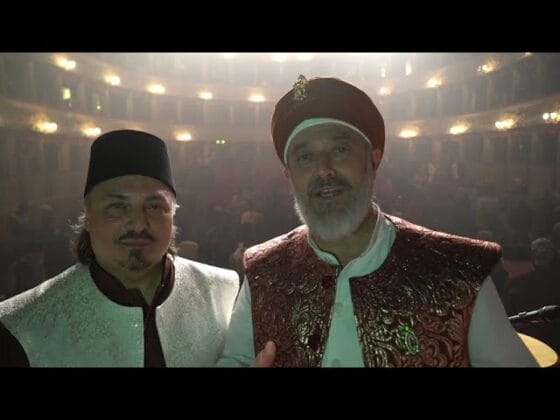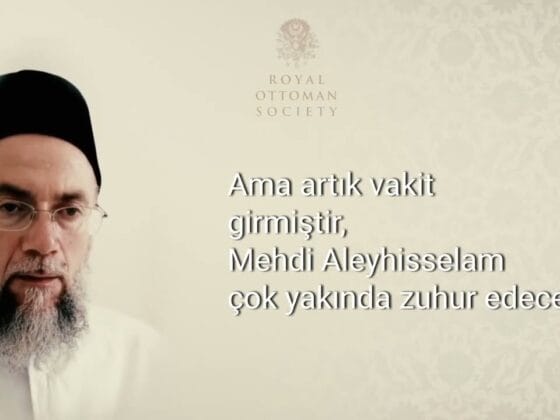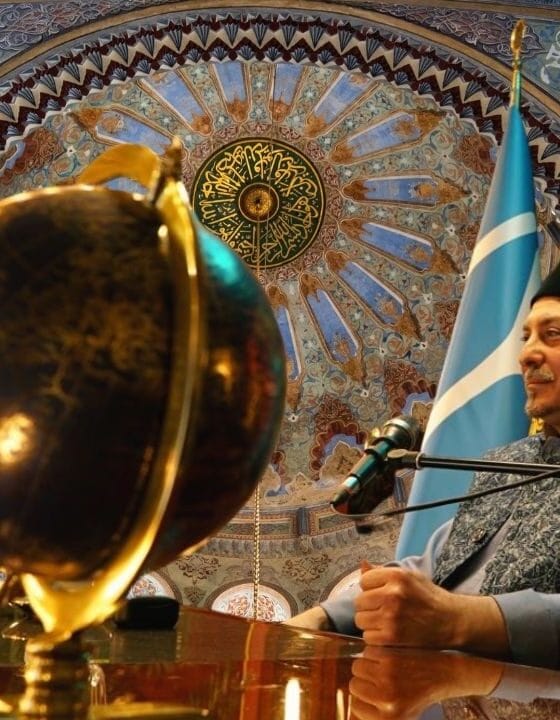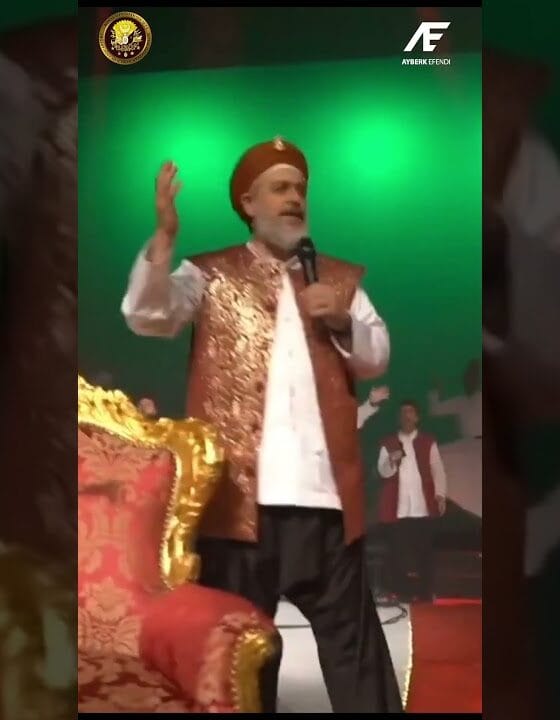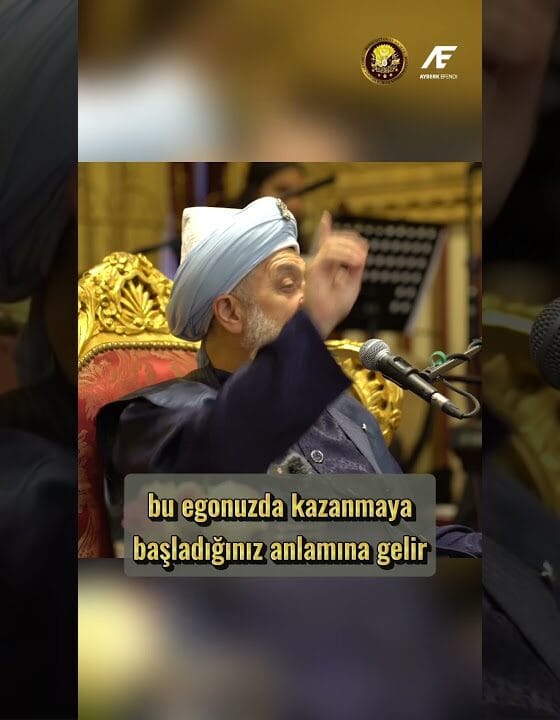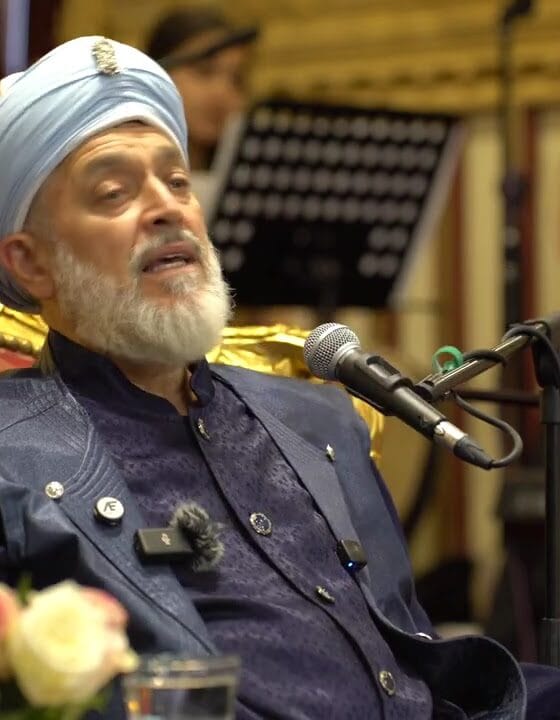
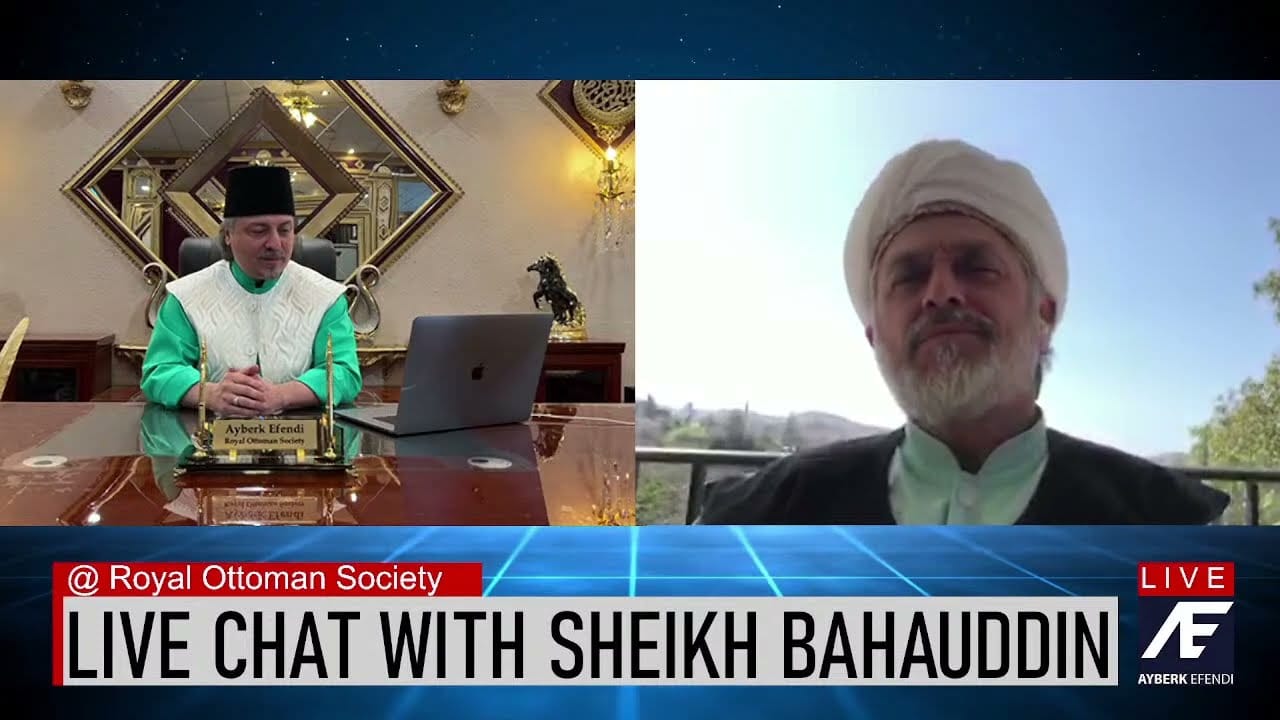
In this heartfelt sohbet we gathered to celebrate the blessings of the holy month. Sheikh Bahauddin opened with the traditional greeting, “Esselamu Aleykum ve Rahmetullahi ve Berekatuhu,” and invoked Allah’s mercy upon all members of the Royal Ottoman Society, their families, and the wider ummah. His words set a warm tone that carried us through an exploration of patience, gratitude, and the true spirit of Ramadan.
Ramadan as a Season of Patience
Sheikh Bahauddin reminded us that we had already passed one‑quarter of the month and were moving toward its midpoint. He observed how, in many bustling cities, the fast can become routine rather than a conscious invitation to develop sabr (patience). The deprivation of food and drink is not merely physical; it is an opportunity to turn our hearts toward gratitude for even the simplest sustenance.
The sohbet contrasted modern abundance with the modest lives of earlier generations. Today’s endless production often turns blessings into mere commodities, causing us to forget the effort required for a single loaf or a glass of water. By fasting, we are reminded of the true value of these gifts and of the humility needed to accept them.
The Lesson of Simple Bread
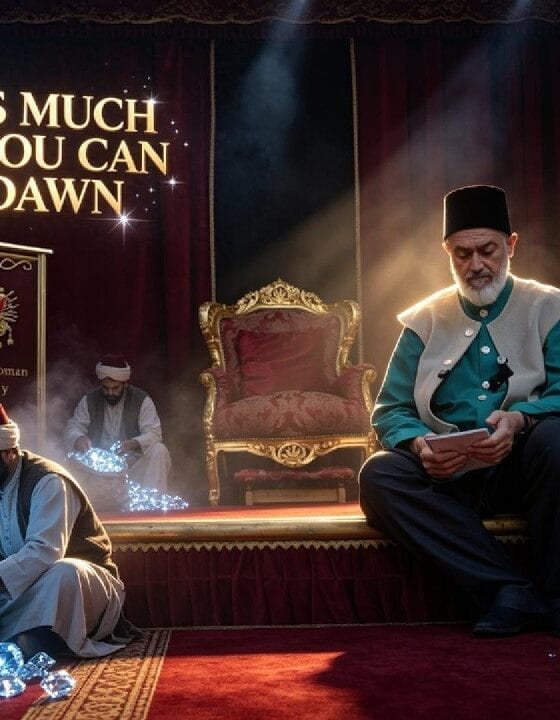
A central story narrated by Sheikh Bahauddin illustrated this point vividly. He recounted an episode from the Prophet’s (peace be upon him) life when a wealthy companion prepared an elaborate feast over six months for the Prophet’s visit. When the Prophet entered, he hesitated, feeling that such splendor was beyond his modest station and therefore unsuitable to honor.
Later, a poor old man invited the Prophet to share “the finest of blessings”: a piece of dry bread softened with water and salt. The Prophet accepted eagerly, praising the simple nourishment as a supreme gift from Allah. Sheikh Bahauddin emphasized that when we demean humble provisions, their baraka (blessing) diminishes; honoring them restores their divine grace.
From History to Contemporary Life
The sohbet moved from that historical insight to present‑day realities. Sheikh Bahauddin reflected on the post‑World‑War II era, noting how humanity’s struggle for survival sharpened appreciation for basic needs. He then turned to today’s consumer culture, where even royalty might order exotic fruits that arrive spoiled—a metaphor for our own spiritual “spoiled” appetites.
He urged listeners to revive the prophetic mindset: recognize that all wealth ultimately belongs to Allah, and we are merely custodians. The Prophet’s teaching that “the true possession is only the seat upon which you sit” was highlighted as a reminder that material assets are fleeting, while the soul’s contentment endures.
Practical Guidance for the Rest of Ramadan
Sheikh Bahauddin concluded with gentle recommendations for embodying the month’s spirit:
- Cultivate patience – view each fasting hour as training for inner resilience.
- Value water and food – remember their divine source every time you break your fast.
- Show compassion to those in need – increase sadaqah; generosity multiplies Allah’s blessings.
- Deepen worship – maximise prayers, dhikr, istighfar, and gratitude, allowing them to amplify the month’s light (nur) and baraka.
By internalising these practices, believers can transform Ramadan from a calendar event into an enduring conduit of mercy, light, and prosperity for the entire year.
We hope this reflection enriches your journey through the remaining days of Ramadan. For further study of Sufi teachings and related literature, you may explore our digital library.
Selamun Aleyküm – May Allah keep you in His protection.