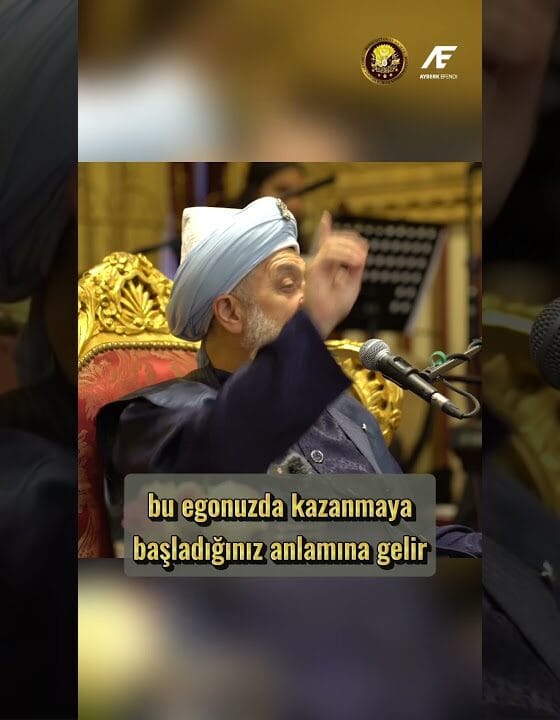
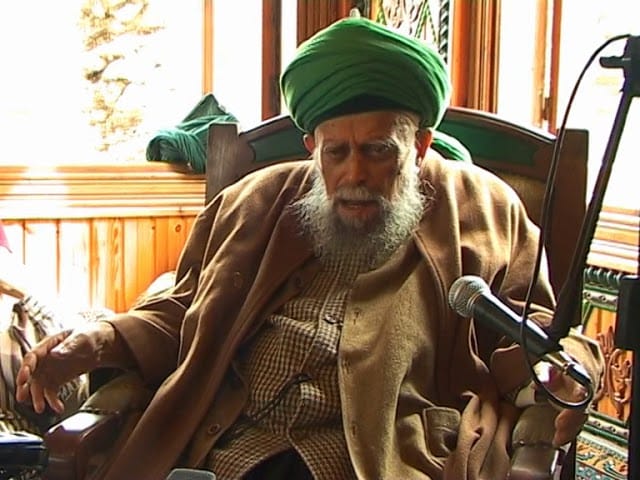
In this heartfelt sohbet, the gathered listeners are greeted with a traditional Islamic salutation and invited to reflect on the deeper meanings behind everyday words such as “salaam” and “selamet.” The speaker repeatedly invokes Allah’s names— Al‑Rahman, Al‑Raḥīm, Al‑Subḥān, Al‑Jabbar, Al‑Ghaffār, Al‑Gahhār —creating an atmosphere of reverent remembrance that sets the tone for a profound exploration of the soul’s journey.
The Greeting and Invocation
The talk opens with “Esselamu Aleykum, günaydın baylar” (peace be upon you, good morning gentlemen), followed by a reminder that true peace descends only after one embraces the Prophet’s greeting. By reciting the names of Allah in rapid succession, the speaker emphasizes that every utterance of praise opens a channel for divine mercy to enter our hearts.
Worldly Illusion vs Inner Insight
A central question emerges: “Does the world turn, or does the mind turn?” The answer offered is that neither the external universe nor the intellect rotates on its own; rather, it is humanity’s perception that spins like a whirling dervish. When we cling to material concerns—businesses, factories, personal gain—we become trapped in an endless cycle, much like a parachute falling from the sky only to hit the ground again. The speaker warns that “the world cannot be eternal; true life belongs to the soul.”
The Soul’s Prison
The metaphor of a cage is used repeatedly. Our bodies are described as cages that will eventually open, releasing the spirit within. When the “cage lid” lifts, the bird (the soul) flies away, leaving behind an empty shell. Yet the emptiness itself must be acknowledged: without the divine breath that animates us, no action or thought can exist. The speaker stresses that the hidden secret of life—the divine secret—remains even when the physical form departs.
A significant portion of the sohbet deals with shirk (associating partners with Allah). Two forms are distinguished:
- Open shirk – blatant worship of anything besides God.
- Hidden shirk (şirkül‑hâfi) – the subtle partnership of the ego with the Divine, when one seeks worldly success while outwardly claiming to act for Allah.
The speaker urges listeners to examine their motives: are we building factories “for ourselves” or “for Allah”? When an endeavor is truly for God, “Allah will ask for His share, and He will bless us abundantly.” Conversely, actions rooted in self‑interest close the doors of divine assistance.
Living for Allah in Daily Life
Practical advice follows the theological exposition. The talk reminds us that prayer (salat), fasting, and remembrance are not optional luxuries but essential tools to keep the ego from hijacking our intentions. Even when the nafs (self) whispers “don’t pray,” we must answer with obedience to Allah’s call.
The speaker also cautions against elevating political parties or worldly ideologies to a sacred status, noting that the Qur’an offers guidance without reference to modern partisan terms. The ultimate aim is a life where both this world and the Hereafter flourish under the umbrella of sincere devotion.
We invite you to deepen your practice by joining our live meetings, where the teachings echoed in this sohbet are explored further within a supportive community.