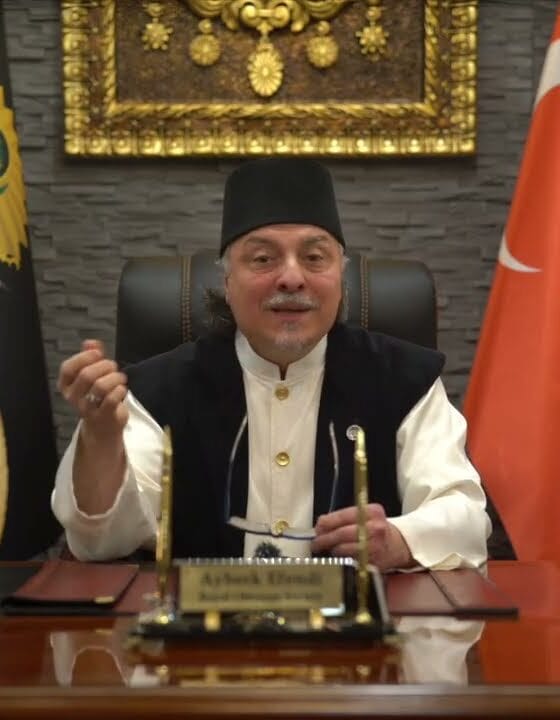

In this teaching the Royal Ottoman Society invites us to pause and reflect on why God created humanity—to obey Him and to know Him. The first divine command, according to the discussion, was a rhythm of worship far more frequent than the five daily prayers we practice today. Originally humanity was asked to prostrate fifty times within each 24‑hour cycle, a cadence that would have placed a moment of humility before Allah roughly every twenty minutes.
The Original Divine Rhythm
When we divide those fifty intended moments evenly across the day, they fall at intervals of about twenty‑to‑twenty‑five minutes. Each pause includes the full preparation for prayer—ablution, intention, Takbir—and culminates in a prostration that keeps the heart bowed before its Creator. The purpose was not to burden believers but to orient every breath and action toward divine remembrance (dhikr).
From Fifty to Five: Mercy and Practicality
Divine mercy later condensed this demanding schedule into the five prescribed prayer times, allowing us to attend to essential life duties such as eating, working, and sleeping. Yet the underlying intention remains unchanged: God asks that we keep His name ever present in our hearts and tongues. Whether we are standing in formal Salah, reciting Takbir, performing ablution, or simply recalling Allah while going about daily tasks, each act can become a continuation of that original spirit of constant prostration.
We are reminded to be grateful for the prophets—Moses, Jesus, and Muhammad (peace be upon them)—through whose guidance this mercy was conveyed. By honoring the five prayers and nurturing an inner posture of remembrance, we fulfill both the outward obligations and the deeper covenant of perpetual dhikr that was part of the first divine ordinance.
If you feel inspired to deepen your practice and share this journey with fellow seekers, consider joining our live meetings, where Bayah can be taken and the Sufi path walked together: https://royalottomans.com/live-meetings. May our hearts remain ever‑inclined toward Allah’s presence.