Oct5o3Turkm2P – Reflections on Ottoman Spiritual Heritage, Evliya Sanctuaries and the Quest for Divine Guidance
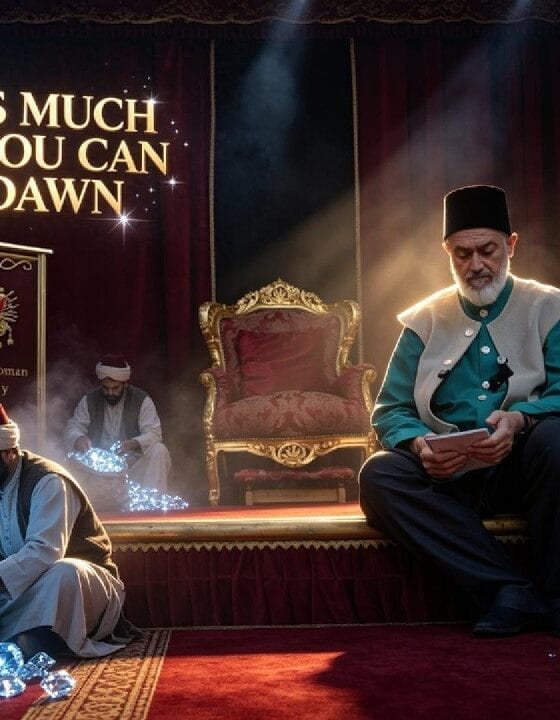
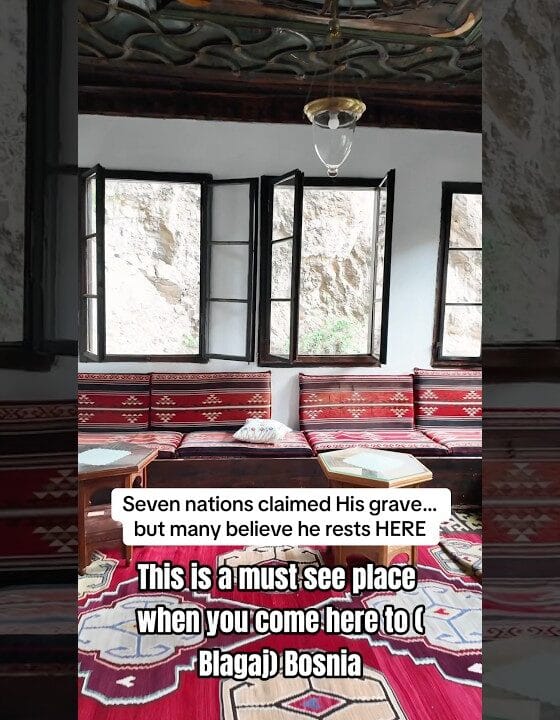
In this profound teaching the Royal Ottoman Society hears a heartfelt appeal that weaves together history, mysticism, and an urgent call for spiritual renewal. The speaker recounts the loss of revered sanctuaries—musalla, aziziye tekkesi, dargâh‑ı evliya—where once the presence of Hızır, Kırklar, and other blessed loci nurtured seekers. The demolition of these sacred spaces, together with the sealing of tombs and the removal of livestock that served ritual purposes, is presented as a wound upon the collective soul of the community.
The discourse moves from lamentation to supplication. It invokes Allah’s mercy for those who have been deprived of their places of pilgrimage and beseeches the Almighty to dispatch a steadfast servant—“one among His chosen”—to restore order, guide the faithful back into the proper sıra (line) and hizâ (formation), and rekindle the living tradition of visitation (tazim) that once animated the shrines. The speaker emphasizes that true contentment (mesruriyet) arises only through remembrance of the saints, whose intercession can lift a believer from the depths of hardship.
A recurring theme is the contrast between worldly ambition and spiritual humility. References to historic figures such as Firavun, Karun, Nemrut serve as cautionary exemplars: wealth and power may elevate one’s status but bring about severe belâ (affliction) when detached from divine guidance. The narrative warns that those who pursue material gain while neglecting the path of the evliya become entangled in endless cycles of suffering, akin to a traveler lost within a treacherous mountain pass.
The teaching also highlights the collective responsibility of the Ottoman community. It calls for unity in prayer (Fatiha) and for leaders—whether scholars or officials—to protect the heritage sites rather than seal them with iron locks. The plea underscores that the remembrance of saints is not merely an act of nostalgia but a living conduit through which divine assistance flows, capable even of rescuing souls from the fires of cehennem.
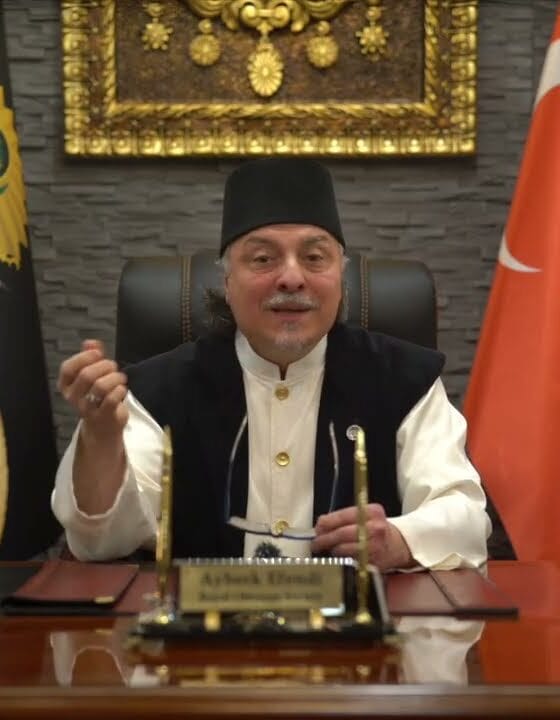
In conclusion, this discourse stands as both a historical record and a spiritual manifesto. It urges contemporary believers to revive the practice of visiting evliya sanctuaries, to honor the sacred spaces that have endured centuries of turbulence, and to seek Allah’s guidance so that the community may once again experience true ferahlık (tranquility) and mesruriyet. The Royal Ottoman Society affirms this call, inviting all who hear these words to join in the renewal of our shared Ottoman spiritual legacy.