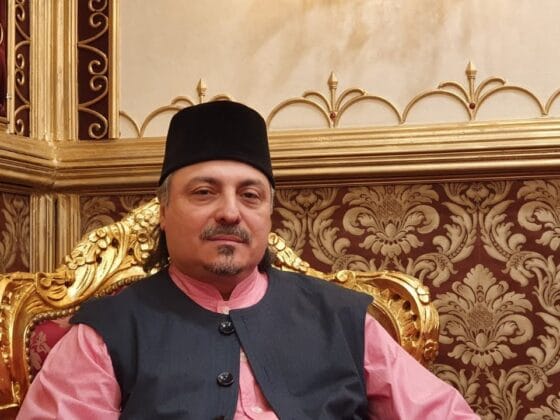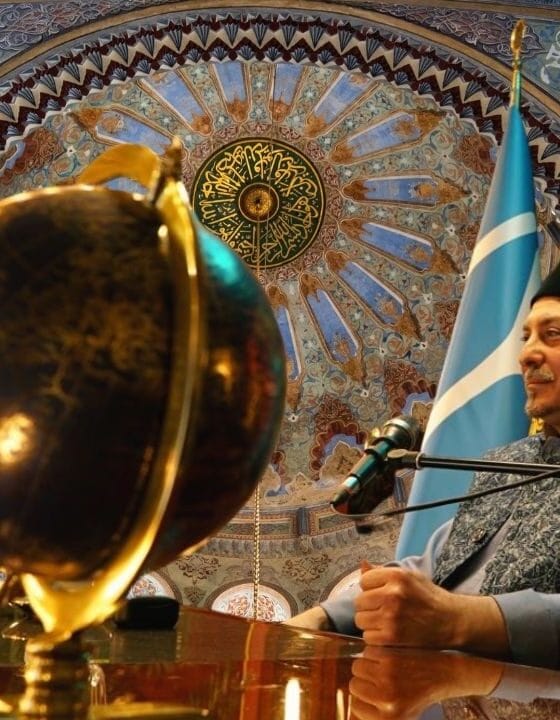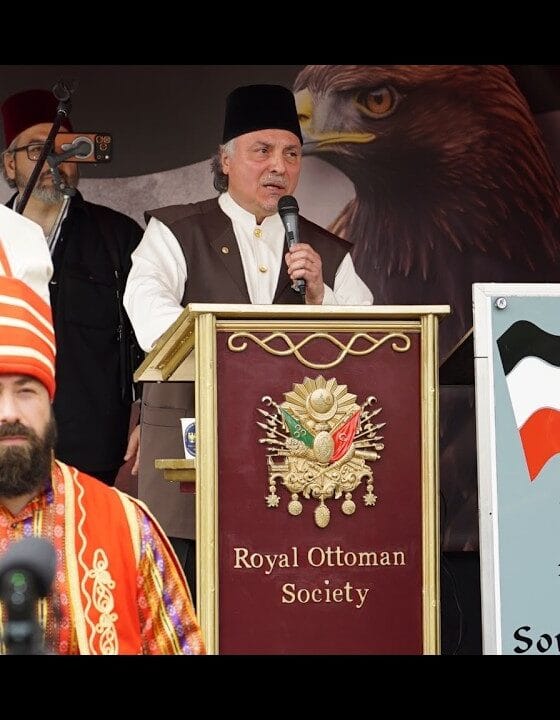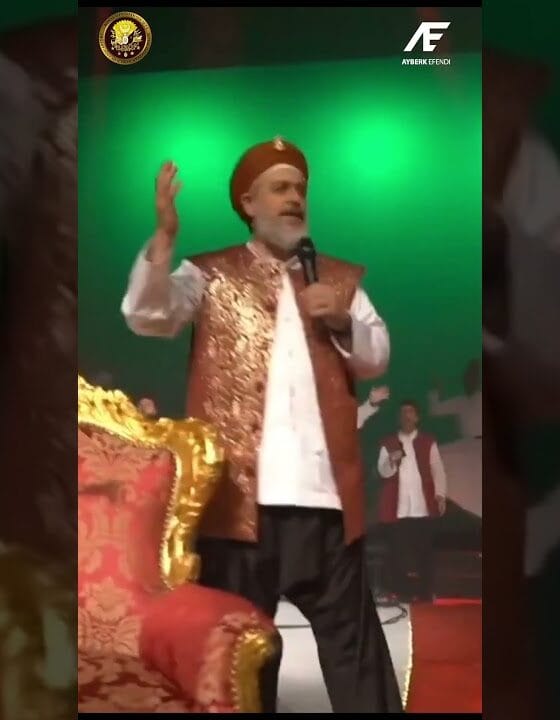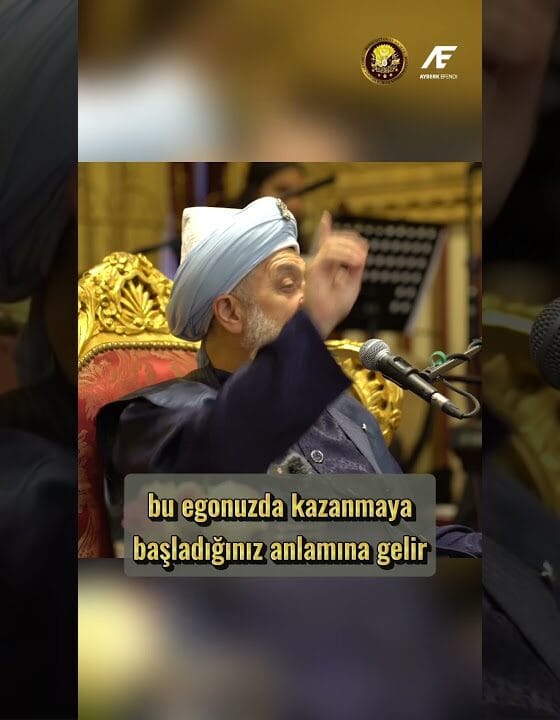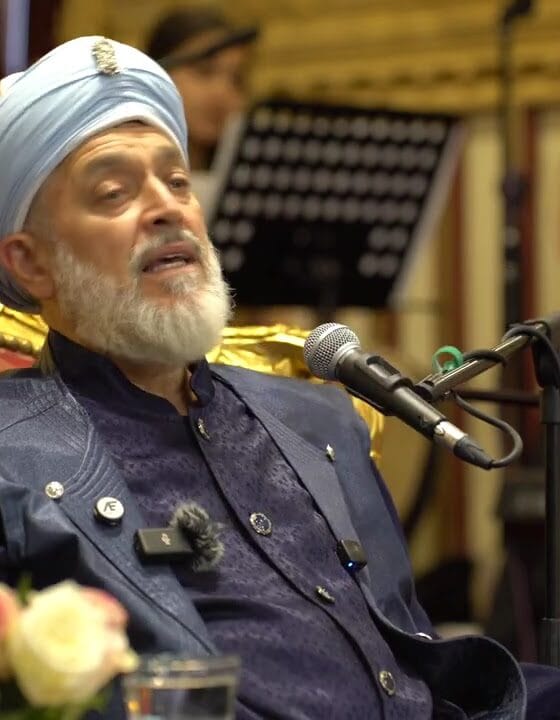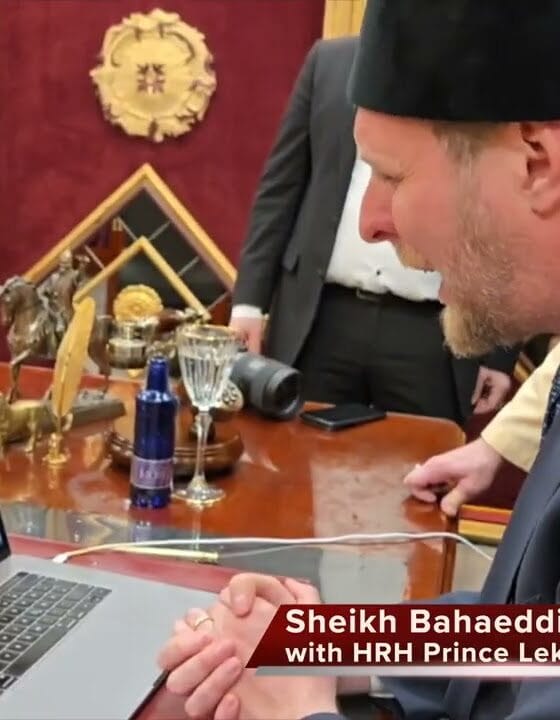
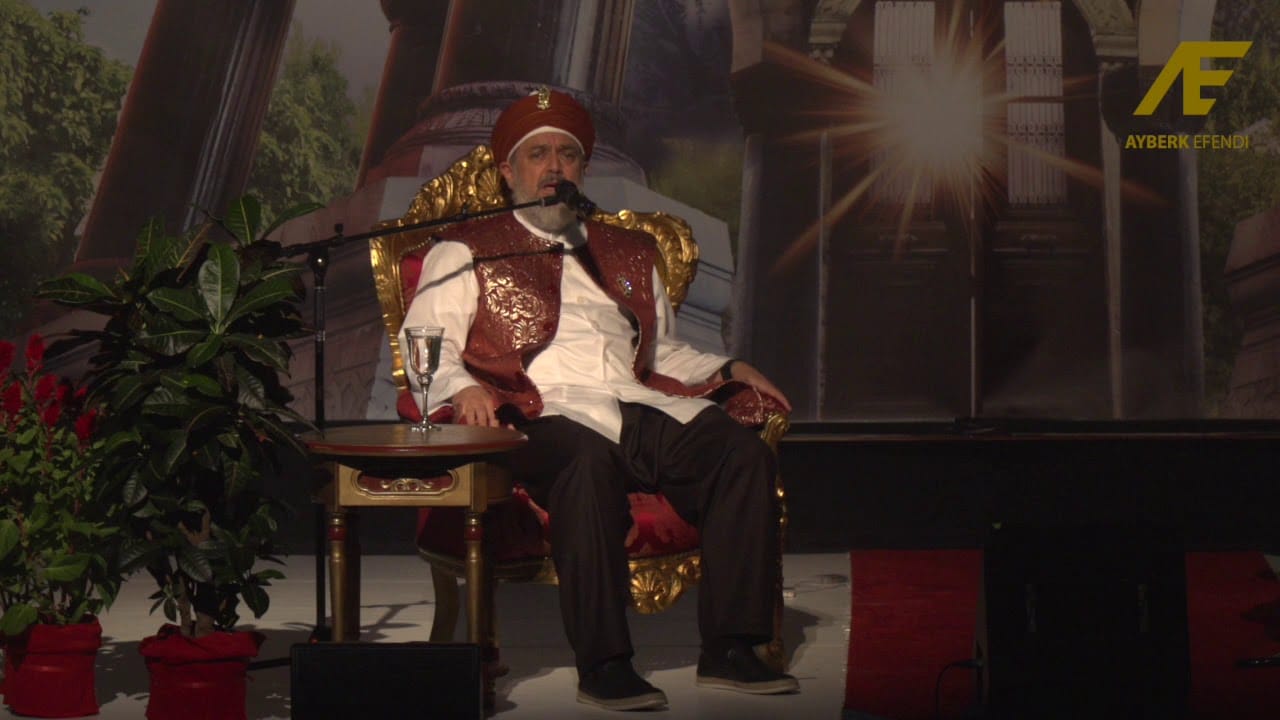
On a crisp November evening in 2019 the Royal Ottoman Society gathered inside the historic Golden Apple venue in Rome, an ancient crossroads of Mediterranean cultures. The gathering was opened by Sheikh Bahauddin Adel, who welcomed the audience with heartfelt gratitude for the warm hospitality of the Roman people. His words set the tone for a night that blended history, spirituality, and everyday wisdom.
Sheikh Bahauddin reminded us that Romans and Ottomans share more than geography; their faces, customs, and love of the sea speak of a common Mediterranean heritage. This shared identity, he explained, makes it natural for peoples “to join and fix together.” When we recognize our mutual roots, misunderstandings lose their power and genuine friendship can flourish.
The sohbet then turned to the saints who illuminate both Italian and Ottoman histories. According to Sheikh Bahauddin, these holy figures are not distant relics but living “elements” that hold communities together. By looking to their compassion and humility, we find a remedy for the conflicts that arise from misunderstanding.
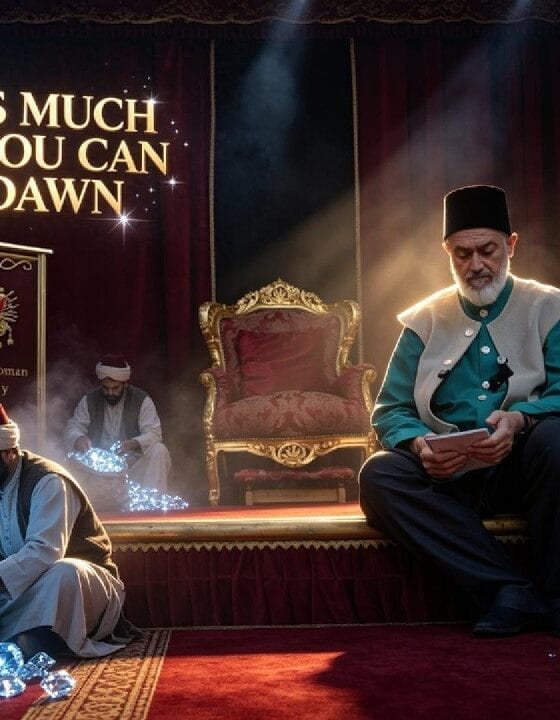
A vivid metaphor followed: the ego is likened to a potent element such as uranium—powerful, difficult to control, and potentially dangerous even when restrained. Sufism, he affirmed, is the disciplined training ground where this inner alchemy takes place. Everyday examples illustrated the point. The love of gold, for instance, can quickly become selfish “egoism” when it drives people to flaunt luxury rather than express gratitude. He offered a simple yet profound remedy: a husband may give his wife gold, but true happiness emerges when she returns a sincere kiss—a gesture that transforms material exchange into heartfelt generosity.
Historical reflections enriched the discussion. Sheikh Bahauddin recalled the murder of Julius Caesar as an illustration of how jealousy, rooted in ego, can lead to violent power struggles. He also evoked the ancient story of Adam and Eve, noting that even the first humans wrestled with pride before the soul fully awakened. These narratives serve as mirrors, reminding us that inner battles repeat across ages.
Throughout the evening the message remained clear: Sufism is not an abstract philosophy but a daily practice of humility, compassion, and self‑discipline. By honoring our shared Mediterranean identity, drawing inspiration from saints, and continually working on the ego, we create spaces where misunderstanding fades and love thrives.
If this night’s reflections resonate with you, explore further connections within our community — a place where seekers gather to share knowledge, support one another, and keep the spirit of Ottoman‑Sufi heritage alive.